Best Zinc Alloy Drawer Lock Manufacturer in China?
Choosing the best Zinc Alloy Drawer Lock manufacturer in China is not just a price comparison. It is a check of materials, machining consistency, and evidence from real production. Fortune Business Insights valued the global furniture market at USD 677.09 billion in 2023. That figure gives useful context for the wider furniture supply chain, but it does not measure drawer-lock demand or confirm any supplier’s quality. A market report is context, not proof.
For buyers, the practical details are closer to the workbench: a key that turns smoothly, a cam that engages cleanly, and a housing without sharp casting edges. Ask manufacturers for material specifications, dimensional tolerances, sample inspection records, and documented cycle or corrosion-test methods. Check whether the tested sample matches the production model. Small differences matter. A polished sample alone proves little. I would not treat a factory’s product claims as verified until the supporting records are reviewed.
This guide will compare Chinese manufacturers by product range, customization, quality controls, communication, and export experience. It will also distinguish zinc alloy components from steel parts, since a lock may combine both. No single supplier is best for every cabinet or buying volume. The right choice depends on fit, operating conditions, and the evidence available—not a broad “best” label. That distinction is easy to miss.
What Are Zinc Alloy Drawer Locks and How Do They Work?
Best Zinc Alloy Drawer Lock Manufacturer in China?
What Are Zinc Alloy Drawer Locks and How Do They Work?
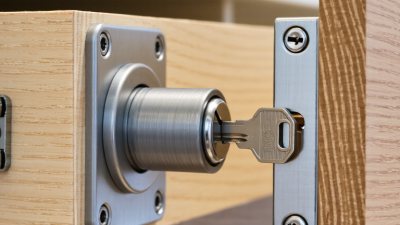
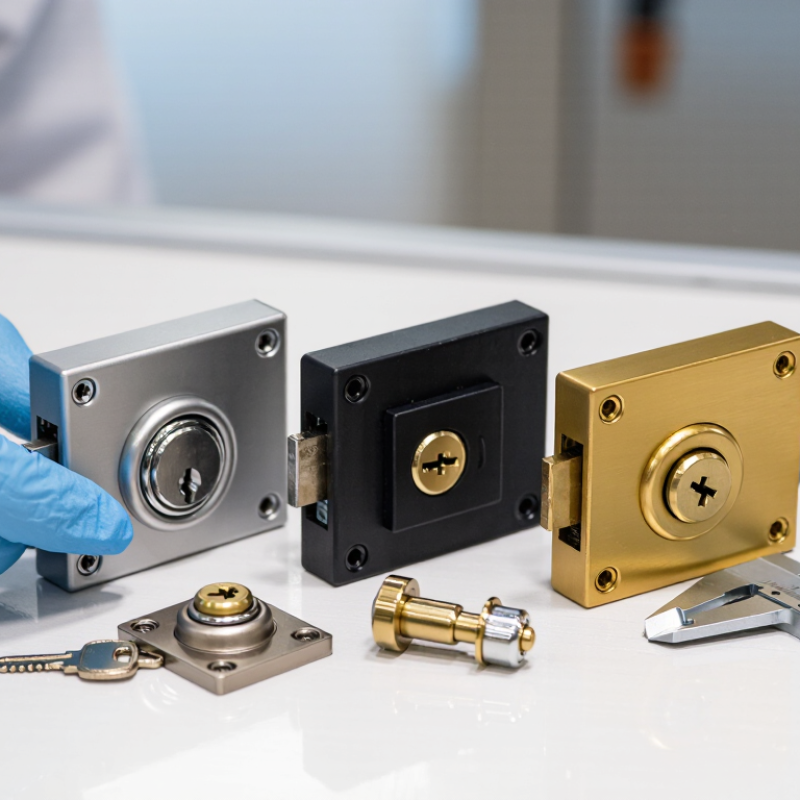
A zinc alloy drawer lock uses a cast metal housing to hold a key cylinder and turning cam. When the key turns, the cam swings behind the drawer frame or cabinet panel, blocking the drawer from opening. A small turn. Zinc alloy suits compact locks because die casting can form detailed shapes, including the cylinder opening and mounting points. The USGS Mineral Commodity Summaries 2024 reports that zinc-base alloys account for about 15% of zinc use. That figure covers many products, not drawer locks specifically. For a buyer, it shows zinc alloys have an established role in manufacturing.
Tips: Check that the cam clears the drawer interior before ordering. Measure the panel thickness, too. A lock that fits the front may still bind inside.
Performance depends on more than the alloy. The cam, fasteners, finish, and installation all matter. A plated body may resist everyday wear, but it is not automatically suited to humid or corrosive environments. I would avoid judging quality by weight alone; that shortcut misses the cylinder fit and the smoothness of the turn. Ask for material details, finish specifications, and cycle-test results, then test a sample in the actual drawer. Sometimes the key feels fine on a workbench and catches once the lock is mounted. That detail is easy to overlook.
How Does Zinc Alloy Affect Lock Strength and Durability?
Zinc alloy can give a drawer lock a rigid body and a clean, detailed shape. Its strength depends on more than the material name. Alloy composition, casting quality, and wall thickness all matter. A well-made housing resists dents during everyday use, while thin sections around the keyway or screw holes may crack under repeated stress. Small details matter.
In production checks, look for uneven edges, visible pores, and loose-fitting components. Porosity can weaken a casting, even when the surface looks polished. The lock’s cam and mounting screws also share the load, so a strong body alone cannot prevent wear. A practical test includes repeated locking cycles and checks for wobble after installation. Moisture and cleaning products can affect the finish over time; zinc alloy is not immune to corrosion. That point is easy to overlook.
For a drawer used often, compare the housing thickness and mounting design, not just the advertised material. Ask whether samples have been tested under repeated operation and ordinary indoor humidity. Results still depend on installation and drawer alignment. A slightly misaligned cam can make a durable lock feel stiff, and that is sometimes blamed on the alloy too quickly.
Which Features Matter When Choosing a Drawer Lock?
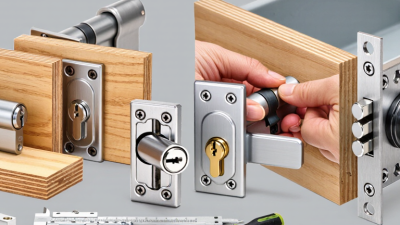
A drawer lock should fit the drawer before it looks impressive on a specification sheet. Measure the panel thickness, backset, and available clearance behind the drawer front. Check that the bolt reaches the strike plate cleanly and does not catch when the drawer shifts. Fit comes first. Choose a keyway and mounting style suited to the furniture’s daily use, too.
Zinc alloy can support detailed shapes and a smooth finish, but the material label alone says little about service life. The USGS Mineral Commodity Summaries 2025 estimates world zinc mine production at about 12 million metric tons in 2024. That scale reflects a widely used material, not a guarantee of consistent casting or coating quality. Ask for material specifications, corrosion-test results, and a sample you can inspect. Look for even plating, clean edges, and a bolt that moves without scraping. BHMA A156.11 provides performance requirements for cabinet locks; request test documentation against the relevant grade rather than relying on “heavy duty” claims.
Tips: Test the lock with the actual drawer installed. Try it with one hand, then check whether the key turns smoothly under light pressure. A small alignment error can matter more than a polished finish. Don’t assume a heavier lock is automatically better.
How Are Zinc Alloy Drawer Locks Made and Quality-Tested?
A zinc alloy drawer lock usually starts as a die-cast body and cylinder parts. Molten alloy fills a shaped steel mold, then the casting cools and is removed. Workers trim excess metal, smooth sharp edges, and machine keyways or mounting holes to tighter dimensions. The surface may be polished before plating or coating. Pins, springs, a cam, and other components are then assembled and checked for fit. Small details matter.
Quality testing should cover both appearance and function. Inspectors can use calipers or gauges to verify key dimensions, while checking for cracks, rough edges, or uneven plating. Each lock should turn smoothly with its key and move the cam without sticking. Sample units may undergo repeated operating cycles, torque checks, and finish-corrosion tests, based on the buyer’s specification. A clean-looking sample is not proof of consistent production. Batch records and inspection results help reveal variation, though short tests cannot predict every condition over years of use.
Tips: Ask how often production samples are tested, and request clear pass criteria. Test the lock in the actual drawer thickness and mounting position. A small alignment error can make a good lock feel unreliable.
How Can You Evaluate Drawer Lock Manufacturers in China?
Evaluating drawer lock manufacturers in China starts with the alloy, not the showroom sample.
Ask for the zinc alloy grade, die-casting process, and dimensional inspection records. A smooth face can hide porosity around the screw boss. Check that the bolt moves freely after installation, not just in a loose sample. The International Lead and Zinc Study Group’s 2023 report put global refined zinc production at about 13.7 million tonnes. That scale supports broad material availability, but it does not prove a supplier’s alloy consistency.
Request recent test records tied to a production batch. Useful checks include coating thickness, operating torque, and corrosion resistance. ISO 9227 describes salt-spray testing, but salt spray alone cannot predict every real-use condition. Ask how the supplier interprets results and whether failures trigger corrective action. Small details matter. Inspect several locks from different cartons; one polished sample can mislead.
A factory visit or live video audit can show whether gauges, calibration labels, and batch records are actually used. Compare the drawing with measured parts, including hole spacing and bolt travel. Ask for the inspection plan and defect limits before placing an order. Then test a pilot batch in the intended drawer material. It may feel slow, and it is. A clear record of changes, rework, and repeat tests is more convincing than a promise of “zero defects.”