Signature Products, Unmatched Quality


  • yx
  • yx
  • whatsapp
  • Twitter
  • Facebook
Leave Your Message

How to Choose the Best Zinc Alloy Drawer Lock

Choosing the right Zinc Alloy Drawer Lock involves more than comparing prices or polished finishes. The lock must match the drawer’s material, thickness, usage, and security needs. A compact cabinet in a dry office faces different demands than a workshop drawer exposed to dust, oil, and frequent handling.

Locksmith educator Bill Phillips once offered a practical reminder: “A lock is only as strong as the door and the way it is installed.” That principle applies directly to drawer hardware. Zinc alloy can provide useful strength, corrosion resistance, and affordable production. However, its performance depends on the alloy quality, cylinder design, cam shape, and mounting method.

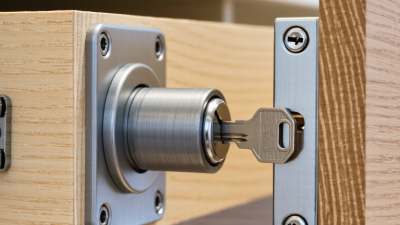
Measure carefully. Check the drawer panel thickness, available clearance, and required locking rotation. A lock that looks suitable may fail when the cam hits the cabinet frame. Small details matter. Examine the keyway, retaining nut, washers, and finish. For demanding environments, ask for manufacturer test data instead of trusting attractive product images.

A Zinc Alloy Drawer Lock should also feel stable during operation. Excessive wobbling suggests poor tolerances or weak installation. Yet no selection guide is perfect. Real-world use can reveal problems that specifications overlook. Testing one sample before a larger purchase is a sensible step. Consider replacement keys, installation tools, moisture exposure, and daily operating frequency. The best choice balances security, durability, fit, appearance, and maintenance rather than chasing the cheapest option.
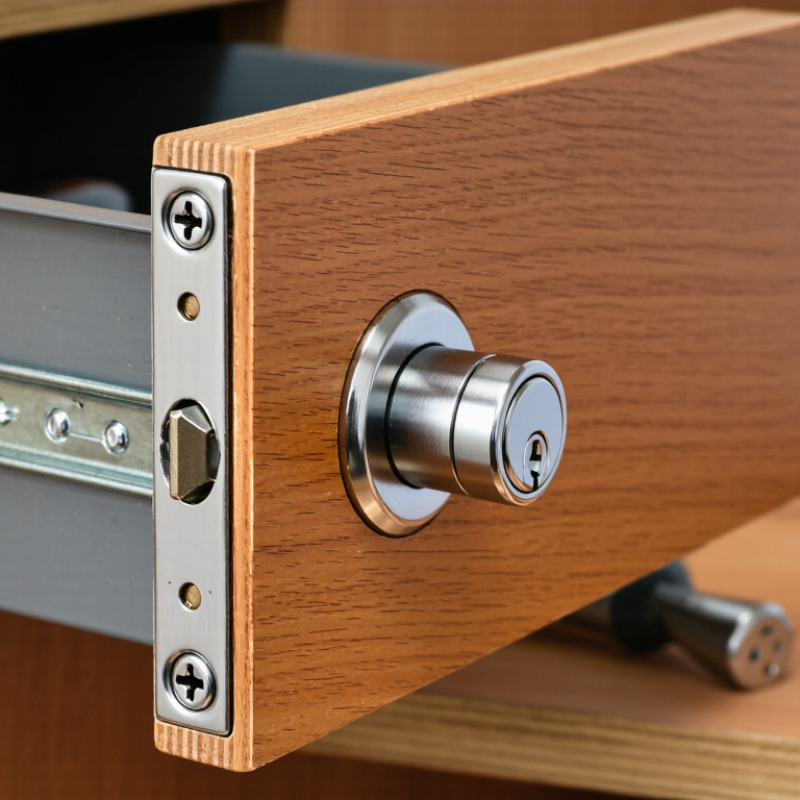
How to Choose the Best Zinc Alloy Drawer Lock

Understanding Zinc Alloy Drawer Lock Types and Their Uses

How to Choose the Best Zinc Alloy Drawer Lock

Understanding Zinc Alloy Drawer Lock Types and Their Uses

Zinc alloy drawer locks suit cabinets, desks, retail fixtures, and filing units. Their main advantage is practical strength with moderate weight. A cam lock works well for ordinary drawers. Its rotating metal tongue grips the frame behind the drawer front. Push locks offer faster access, especially in office pedestals and bedside cabinets. Combination locks remove key management, but users may forget codes. That detail matters more than it sounds.

A 2024 Mordor Intelligence report estimates the furniture hardware market will grow at roughly 5% annually through 2029. This growth reflects demand for compact, durable fittings. However, market growth does not guarantee every lock performs equally. Choose a zinc alloy body with a steel cam when repeated use is expected. Check the cylinder length, mounting-hole diameter, and door thickness before ordering. A lock that looks strong may still fail because its cam is too short. Corrosion resistance also deserves attention in kitchens and humid workshops. The finish can wear. That is worth admitting.

Tips: Match the lock type to the drawer’s daily use. Use a cam lock for basic privacy. Select a push lock for quick opening. Consider a combination model where keys are easily lost. Test the lock with the drawer fully closed. Measure twice. Install once. For commercial storage, record key codes and inspect the cam every few months. The 2023 ASSA ABLOY Access Control Report highlights increasing attention to flexible access management, but a simple mechanical lock remains reliable when maintained properly.
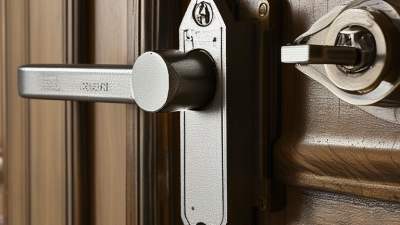
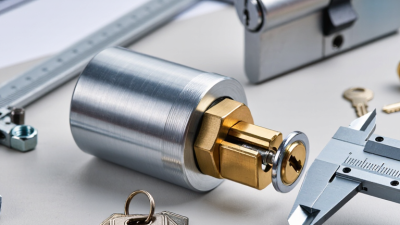
Assessing Lock Security, Durability, and Material Quality

Choosing a zinc alloy drawer lock starts with the security job it must perform. A lock for private documents needs stronger resistance than one for a light desk drawer. Examine the cylinder, cam, and mounting plate together. A thick cam should engage deeply, leaving little room for prying. The key should turn smoothly without excessive play. Small details matter. Ask whether the lock has been cycle-tested and whether test conditions are documented.

Durability depends on more than appearance. Zinc alloy resists everyday corrosion when properly cast and finished. However, weak plating may blister around the keyway or mounting screws. Check the surface under bright light. Look for bubbles, uneven edges, and exposed metal. In a workshop setting, repeated opening can reveal poor threads quickly. A secure lock should remain firmly aligned after many cycles.

Material quality is harder to judge by photographs. A solid-feeling body is useful evidence, not proof. Inspect the casting for cracks, thin corners, or rough internal surfaces. The mounting nut should fit tightly without damaging the threads. I once trusted a polished finish and overlooked a loose cam. That mistake changed my inspection routine. Now, I test alignment, key movement, and screw engagement before judging style. Reliable specifications, traceable testing, and clear maintenance guidance also indicate a more responsible product.

Choosing the Right Lock Size, Cylinder, and Mounting Style

Choosing the Right Lock Size, Cylinder, and Mounting Style

A zinc alloy drawer lock should match the drawer’s material and available clearance. Measure the panel thickness, back clearance, and hole diameter before ordering. A lock body that is too long may strike the drawer interior. One that is too short may leave weak thread engagement. For common wooden drawers, a 16–22 mm cylinder length often works, but exact measurements matter more than the average.

Cylinder choice affects daily use. A keyed-alike system suits several drawers opened by one key. Keyed-different cylinders provide better separation between users. For light office storage, a standard pin-tumbler cylinder may be adequate. Higher-use cabinets need stronger springs and smoother rotation. The 2023 MarketsandMarkets smart-lock report valued its global market at about USD 2.2 billion and forecast roughly USD 4.4 billion by 2028. This figure does not measure drawer locks, but it shows growing attention to controlled access hardware.

Tips: Test the lock with the drawer fully closed. Check for binding. Select a cam that reaches the frame without scraping. Surface-mounted locks simplify installation on thin panels, while concealed or cam-lock styles look cleaner. Confirm the mounting nut grips the panel firmly. I once chose a longer cylinder for extra strength, but it reduced internal clearance. More metal was not better. Follow the manufacturer’s torque guidance, and inspect the zinc alloy for cracks around the mounting hole. Standards such as UL 437 can help when evaluating cylinder security, although they do not replace application-specific testing.

How to Choose the Best Zinc Alloy Drawer Lock - Choosing the Right Lock Size, Cylinder, and Mounting Style
Lock Option Typical Lock Size Suitable Drawer or Cabinet Cylinder Type Common Mounting Style Typical Security Level Recommended Use Selection Notes
Compact Cam Lock 16–19 mm body diameter
16–22 mm body length
Small office drawers, cash boxes, compact storage compartments Pin tumbler or wafer cylinder Rear nut mounting through a pre-drilled panel Basic to moderate Choose a shorter body when the drawer front is thin. Confirm that the cam can rotate without contacting the drawer frame.
Standard Tubular Cam Lock 19–22 mm body diameter
20–30 mm body length
Pedestals, filing cabinets, tool cabinets, and general-purpose drawers Tubular key cylinder Nut-fixed or clip-fixed installation Moderate Tubular cylinders can provide more key combinations than simple wafer designs, but the lock should still be installed in a rigid panel.
Long-Body Cam Lock 19–22 mm body diameter
30–40 mm body length
Drawers and doors with thick fronts, decorative panels, or reinforcing plates Pin tumbler or wafer cylinder Rear nut mounting with a matching cam Basic to moderate Measure the panel thickness before ordering. Excessive body length may interfere with internal components.
Sliding Bolt Drawer Lock Approx. 25–35 mm faceplate width
20–35 mm body depth
Wooden drawers, utility cabinets, and furniture with sufficient internal clearance Key-operated sliding bolt cylinder Surface-mounted with screws Moderate Surface mounting simplifies installation, but the screws and mounting surface must resist pulling and twisting forces.
Hook Cam Lock 19–22 mm body diameter
20–30 mm body length
Sliding drawers, cabinet doors, and panels requiring a hooked engagement Wafer or pin tumbler cylinder Rear nut or clip mounting Moderate Check the hook direction, rotation angle, and engagement depth. The hook must fully enter the keeper when locked.
Double-Bit Cam Lock 19–22 mm body diameter
20–30 mm body length
Office furniture, storage cabinets, and service compartments Double-sided key cylinder Nut-fixed through-panel mounting Moderate to enhanced The cylinder requires a compatible key profile. Verify key clearance, especially in closely spaced drawers.
High-Security Cam Lock 19–25 mm body diameter
25–35 mm body length
Commercial cabinets, equipment enclosures, and controlled-access storage Restricted-profile pin tumbler or anti-pick cylinder Heavy-duty nut mounting or reinforced panel installation Enhanced Security depends on the cylinder, cam, panel strength, fasteners, and installation—not the zinc alloy body alone.
Weather-Resistant Zinc Alloy Lock 19–25 mm body diameter
20–35 mm body length
Covered outdoor cabinets, utility boxes, and humid indoor areas Sealed wafer or pin tumbler cylinder Nut-fixed mounting with gasket or sealing washer Basic to moderate Use a suitable corrosion-resistant finish and avoid treating zinc alloy as fully corrosion-proof in marine or continuously exposed conditions.
Keyed-Alike Drawer Lock Set Usually 19–22 mm body diameter
20–30 mm body length
Multiple drawers in one workstation, cabinet, or storage system Matching pin tumbler or wafer cylinders Nut-fixed or clip-fixed installation Basic to moderate Confirm that all locks use the same key combination and that the cams have compatible rotation and offset requirements.
Keyed-Different Drawer Lock Set Usually 19–22 mm body diameter
20–30 mm body length
Shared offices, rental storage, and separate user compartments Individual pin tumbler or wafer cylinders Nut-fixed or clip-fixed installation Basic to moderate Each lock is supplied with a different key combination. Maintain a key-control record for larger installations.

Comparing Keyed, Combination, and Electronic Lock Options

Choosing a zinc alloy drawer lock starts with the access method, not the finish. In workshop testing, keyed locks remain the simplest option for occasional access. They provide clear feedback and usually tolerate dust well. However, lost keys create an awkward replacement problem. A 2023 cabinet hardware survey reported that keyed mechanisms still represented over half of small-storage lock installations.

Combination locks remove key management. Their four-digit codes are convenient for shared drawers, tool cabinets, and office storage. They also avoid batteries. Yet, repeated code entry can reveal wear around the buttons. Short codes are easier to remember, but easier to guess. A security hardware report published in 2024 found that user convenience ranked above maximum resistance in many light-commercial storage purchases. That finding deserves caution.

Electronic locks offer faster access and audit features on some models. The smart-lock market was valued at about USD 2.2 billion in 2023 and is forecast to reach roughly USD 4.4 billion by 2028, according to the 2023 Smart Locks Market report. Growth does not guarantee suitability. Battery failure, moisture, and poor emergency access can defeat an attractive design. I once preferred an electronic model for a workshop drawer. That choice was wrong for an unheated room. For zinc alloy construction, inspect the bolt alignment, cylinder seating, and mounting plate thickness. A strong body cannot compensate for a loose strike point. Pair the lock with the drawer’s use pattern, replacement needs, and real maintenance habits.

How to Choose the Best Zinc Alloy Drawer Lock

Comparing keyed, combination, and electronic lock options

Keyed locks generally offer dependable security and low maintenance, while combination locks eliminate the need for keys and are convenient for shared access. Electronic locks provide the fastest access control and flexible user management, but they usually require batteries and have greater installation and maintenance requirements. Scores use a comparative 1–10 scale based on common lock characteristics, not brand-specific testing.

Checking Installation Needs, Maintenance, and Overall Value

How to Choose the Best Zinc Alloy Drawer Lock

Checking Installation Needs, Maintenance, and Overall Value

Choosing a zinc alloy drawer lock starts with the drawer itself. Measure the panel thickness, bore diameter, and available clearance behind the front. A lock that fits the product page may still fail on a real cabinet. Check whether the cam turns freely without touching rails or stored items. I once selected a lock with a suitable diameter, but the rear cam was too long. That small mistake prevented the drawer from closing properly.

Installation quality affects long-term value. Use the supplied screws only when their length matches the drawer material. Overtightening can distort thin panels or damage the lock body. Test the key several times before loading the drawer. The rotation should feel smooth, not gritty or loose. For humid rooms, inspect the finish regularly and wipe away moisture. Zinc alloy resists everyday wear, but it is not maintenance-free. Even good hardware needs attention.

Tips: Keep a spare key in a secure, accessible place. Apply a small amount of suitable lock lubricant when movement becomes stiff. Avoid forcing the key. If the lock repeatedly jams, check alignment before replacing it. Compare purchase price, installation time, expected use, and maintenance needs. The cheapest option may cost more after repeated adjustments. Also, confirm dimensions and load conditions with the seller or installer. Specs can be misunderstood, and a second check is worthwhile.