Top Furniture Drawer Locks for Cabinets and Drawers
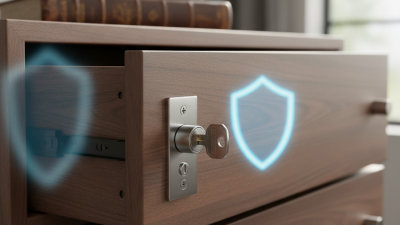
Furniture Drawer Locks can add a practical layer of protection to cabinets, desks, and bedside tables. They help limit access to private papers, small valuables, or supplies that should stay out of reach. The right lock depends on the drawer’s construction and how it is used. A filing cabinet needs a different solution from a shallow kitchen drawer.
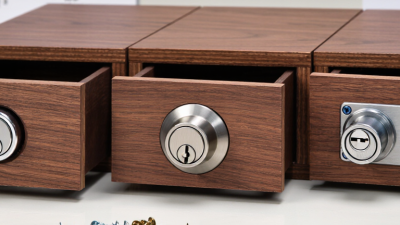
Small details matter. Before choosing a lock, check the drawer’s thickness, available clearance, and material. A metal lock may suit a wooden drawer, while a surface-mounted option can work when there is little room inside. Some models use a key; others use a combination or push-button mechanism. Each has trade-offs. Keys can be misplaced, and combination dials may take longer to operate.
This guide compares common lock styles for cabinets and drawers, with attention to installation, everyday convenience, and fit. It also considers whether a lock secures one drawer or several at once. Read product dimensions carefully, and confirm that the hardware will not block drawer movement. A simple measurement can prevent an awkward return. It is easy to focus on the lock’s security rating and overlook how often the drawer will be opened. That matters, too. No single model suits every home or workspace, so the best choice balances access, durability, and the level of privacy you actually need.
Furniture Drawer Locks: Main Types, Parts, and Typical Uses
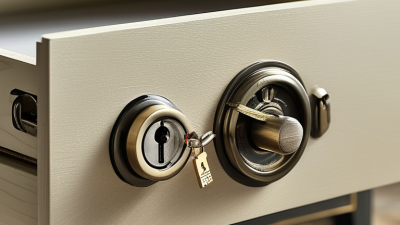
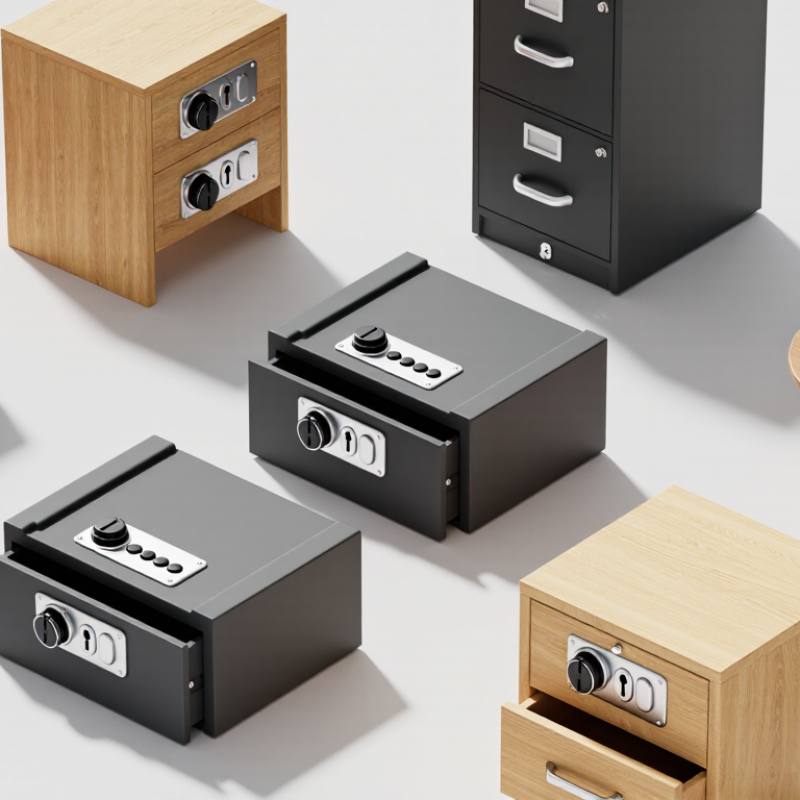
Furniture drawer locks differ in how they engage a cabinet and control access. A cam lock uses a rotating metal arm behind the drawer front. Its main parts are the cylinder, key, cam, mounting nut, and sometimes a trim ring. Turning the key moves the cam behind a frame or internal rail. This simple arrangement suits desks, bedside cabinets, and small filing drawers. A plunger lock works differently: its bolt presses into a catch or cabinet frame. It can secure one drawer or block several drawers through a shared locking bar. Alignment matters. Even a small shift can make the key feel stiff.
Other common options include sliding-door locks for cabinets with overlapping glass or wood panels, and central locking systems for multiple drawers. Each type has trade-offs. A sliding lock may stop casual opening, but it cannot compensate for a weak cabinet structure. Before choosing, check the drawer-front thickness, available space behind it, and the cam’s turning direction. A strike plate can improve engagement when the cabinet edge is thin or uneven. Measure twice. During repairs, a replacement cylinder may fit the hole but leave the cam too short. That detail is easy to miss, and the drawer may appear locked without holding firmly under a pull.
Measure Drawer and Cabinet Clearances Before Selecting a Lock
Before choosing a drawer lock, measure the space around the moving parts—not just the drawer front. Record the gap between the drawer side and cabinet wall, the clearance behind the drawer, and any overlap from nearby doors or handles. Measure with the drawer closed and fully extended. Then compare those figures with the lock body, bolt travel, and mounting screws. A lock that fits on paper may still hit a runner or block a neighboring drawer. Small details matter.
The U.S. Consumer Product Safety Commission’s 2023 Furniture and TV Tip-Over Report estimated 22,500 emergency-department-treated injuries from furniture tip-overs in 2022. That figure concerns tip-overs, not lock performance, so a drawer lock should not be treated as a substitute for anchoring furniture. It does show why careful installation and use matter. Check the cabinet material, too; a screw that is too long can pierce a thin drawer wall. I remeasure before drilling, even when the cabinet looks square. It often isn’t. Leave enough room for the bolt to engage cleanly, and test every drawer through its full travel before loading it.
Compare Keyed, Combination, and Electronic Locks by Access Needs
Keyed locks work well for drawers opened by one or two trusted people. They need no batteries and are simple to operate, but keys can be misplaced or copied. Combination locks avoid that problem and suit shared desks or supply cabinets. Choose a model with a changeable code; a fixed combination becomes awkward when staff members change. Electronic locks can offer PIN or card access, and some record entry events. They fit frequently used drawers, but require battery checks and someone to manage access. A dead battery at closing time is a real inconvenience.
Access control depends on people using it consistently. The 2024 Data Breach Investigations Report analyzed 10,626 confirmed breaches and found that 68% involved a non-malicious human element. That report concerns digital security, not furniture locks, so its figure should not be treated as a lock-performance measure. Still, it highlights why complicated routines can undermine safeguards. For a bedside drawer, a keyed lock may be enough; for a shared office cabinet, a resettable combination may reduce key-handling. Electronic access makes more sense when frequent entry or event records matter. One caveat: logging entry does not prove what was removed. Check drawer alignment and lock fit, too; a strong lock cannot compensate for a loose cabinet face.
Match Lock Cylinder and Cam Dimensions to Furniture Thickness
A furniture drawer lock should fit the material, not just the hole. Measure the drawer front’s thickness where the cylinder will pass through. Include any decorative veneer or metal plate in that measurement. A cylinder that is too short may not leave enough thread for its retaining nut. One that is too long can sit loosely or project awkwardly from the face. Measure both sides. It is easy to measure only the wood, and that can be misleading when a cabinet has a trim layer.
Cam dimensions matter just as much. The cam is the flat turning arm behind the cylinder; its length must reach the locking point without striking the drawer interior. Check the distance from the cylinder’s center to the frame or catch, then compare it with the cam’s effective reach. Also confirm the cam’s shape and orientation suit the available clearance. A few millimeters can decide whether the drawer locks cleanly or needs pressure to close. Don’t force it.
Before installation, compare the lock’s stated cylinder range with the full thickness of the drawer front. If the fit is borderline, account for washers, spacers, and the retaining nut rather than assuming they will solve it. Test the cam through a full turn with the drawer open. Watch for contact with the drawer sides, contents, or nearby hardware. A careful dry fit takes little time, though I would still recheck the measurement before drilling.
Use ANSI/BHMA A156.11 to Review Cabinet-Lock Performance Criteria
Top Furniture Drawer Locks for Cabinets and Drawers
ANSI/BHMA A156.11 provides a structured way to review cabinet-lock performance. Rather than relying on a polished finish or a firm key turn, check the applicable edition for its test methods and performance requirements. The standard addresses cabinet locks and latches, but a test result does not automatically prove that a lock suits every drawer or cabinet.
For a useful comparison, look for documentation showing which criteria the lock was tested against and how it was classified. Then consider the real installation: a shallow drawer, a thick cabinet face, or a slightly misaligned strike can affect operation. Small details matter. A lock may meet a performance requirement yet feel awkward in daily use, especially when drawers are opened repeatedly.
I would not treat a passing result as the whole story. Confirm that the tested model matches the product being considered, and ask whether the report reflects the relevant standard edition. Also check the mounting instructions and cabinet material. That step is easy to skip. It should not be. A careful review connects standardized performance with the fit, use, and upkeep expected in the actual cabinet.