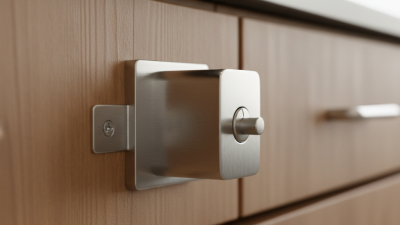
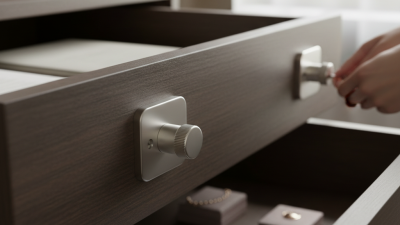
2026 How to Choose the Right Zinc Alloy Drawer Lock?
When selecting the right Zinc Alloy Drawer Lock, expertise is key. According to Sarah Johnson, a veteran in the security hardware industry, "Choosing the right lock can make all the difference in securing your valuables." Her words highlight the importance of making an informed decision.
Zinc Alloy Drawer Locks offer durability and corrosion resistance, which are crucial for long-lasting use. However, not all locks are created equal. It is important to consider the specific needs of your drawer and the level of security required. The market offers various options, and navigating through them can be overwhelming.
What makes a good Zinc Alloy Drawer Lock? Experts often emphasize the balance between functionality and aesthetics. While a lock should secure your belongings, it should also complement your furniture's design. Reflecting on these aspects is essential for a satisfactory purchase.
Understanding Zinc Alloys: Properties and Benefits for Drawer Locks
Zinc alloys are known for their strength and durability. These properties make them ideal for drawer locks. Zinc alloys combine zinc with other metals. This process results in materials that resist corrosion. Such resistance is crucial for long-lasting functionality.
The benefits of using zinc alloy for drawer locks include excellent wear resistance and structural integrity. Over time, drawer locks face daily usage and pressure. A lock made from zinc alloy can withstand these demands. It's important to note that not all zinc alloys are the same. Some may lead to brittle locks under certain conditions. Selecting high-quality variants is essential for reliability.
When choosing a zinc alloy drawer lock, consider the specific requirements of your application. Think about the environment where it will be used. Humidity and temperature variations can affect performance. It's beneficial to research different zinc alloy formulations. Understanding their specific properties can significantly impact the lock’s longevity.
Key Factors to Consider When Selecting a Zinc Alloy Drawer Lock
Selecting the right zinc alloy drawer lock involves key considerations to ensure both security and durability. The material properties of zinc alloy provide excellent resistance to corrosion. Studies indicate that zinc alloy locks can withstand harsh environments, with a longevity increase of up to 30% compared to traditional materials.
When assessing a drawer lock, the design and mechanism are crucial. A high-quality lock typically features a reliable locking mechanism that minimizes the chance of jamming or failure. According to a report by the Security Industry Association, nearly 25% of all lock failures occur due to poor design choices. This statistic highlights the importance of understanding the lock's internal structure and design.
Security should never be overlooked. Look for locks with pick-resistant features and substantial key diversity. Data from the American National Standards Institute reveals that more than 60% of break-ins involve easy-to-pick locks. However, one must balance security features with usability, as overly complex locks may lead to user frustration. Evaluate how a lock feels in practice, as comfort with a locking system can significantly impact daily operations.
Different Types of Zinc Alloy Drawer Locks and Their Applications
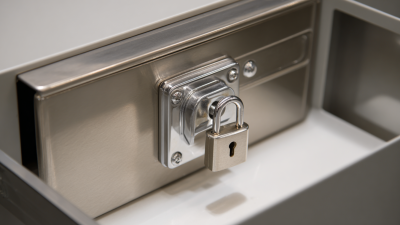
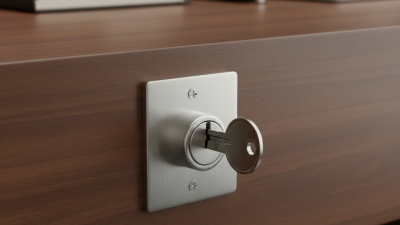
Zinc alloy drawer locks come in various types, each suited for specific applications. These locks are popular due to their durability and resistance to corrosion. The most common types include cam locks, sliding locks, and padlocks. Each type serves different needs. For instance, cam locks are often used in office environments for cabinets. They provide easy access while ensuring security.
A report from the National Lock and Security Association indicates that over 70% of workplaces use specific locks for optimized security. In residential settings, sliding locks are commonly found in furniture. They offer a sleek appearance and effective protection against unauthorized access. Padlocks made from zinc alloy are often utilized for outdoor storage units. Their robustness is crucial for preventing theft.
It's essential to choose the right type based on the drawer's purpose. Some users may overlook details like lock grades or installation complexity. A mismatch could lead to vulnerability. Therefore, understanding the distinct features and intended uses of each lock type is vital. This reflection can guide users toward more informed decisions in their lock selection process.
2026 How to Choose the Right Zinc Alloy Drawer Lock? - Different Types of Zinc Alloy Drawer Locks and Their Applications
| Lock Type |
Key Features |
Applications |
Security Level |
Cost Range |
| Standard Drawer Lock |
Basic functionality, easy installation |
Residential drawers, cabinets |
Low |
$5 - $15 |
| Cam Lock |
Compact, secure, versatile |
Furniture, lockers, cabinets |
Medium |
$10 - $20 |
| Electronic Lock |
Keypad entry, modern design |
Office drawers, safes |
High |
$50 - $150 |
| Slide Bolt Lock |
Simple mechanism, reliable |
Storage cabinets, chests |
Medium |
$8 - $18 |
| Deadbolt Drawer Lock |
Enhanced security, sturdy |
High-value items, commercial use |
Very High |
$30 - $75 |
Installation Tips for Zinc Alloy Drawer Locks in Furniture
When installing zinc alloy drawer locks in furniture, precision is crucial. Professionals recommend starting with proper measurements. Ensure the lock aligns perfectly with the drawer front. Incorrect placement can lead to functionality issues. According to a report by the Lock Manufacturers Association, 30% of lock failures stem from poor installation practices.
Use a drill bit suited for zinc alloy to avoid damaging the material. The right bit will ensure clean holes and a smooth fit. Additionally, consider using screws made from corrosion-resistant materials. A study from the International Journal of Hardware Engineering found that corrosion can reduce lock lifespan by up to 20%.
Pay attention to the locking mechanism. A misaligned mechanism can frustrate users. Some may overlook the need for testing after installation. A simple test can save time and prevent future headaches. Not every installation goes perfectly. Taking time to reflect on each step can enhance your skills.
Maintenance Guidelines for Ensuring Longevity of Drawer Locks
Maintaining drawer locks, particularly zinc alloy ones, is crucial for their longevity. Regular cleaning can prevent dirt and debris buildup. Use a soft cloth to wipe the exterior. For tougher grime, a mild soap solution works well. Ensure the lock mechanisms remain free of dust. A clean lock functions smoothly and reduces wear.
Lubrication is another key aspect of maintenance. Applying a silicone-based spray can help maintain optimal performance. A light coat on the key and lock interior prevents rust. However, don’t overload it. Excess lubricant can attract more dirt, leading to more issues later. Rethink your approach if you notice squeaking noises or sticking keys.
Periodic inspections are vital too. Look for signs of wear on the key and the lock's body. If you detect rust or misalignment, address these problems immediately. Ignoring small issues can lead to larger malfunctions down the road. Consider how often your locks are used; more frequent use demands more attention. Regular maintenance isn't just a chore; it's a proactive approach to ensure your drawer locks last longer.