Stainless Steel Drawer Lock Buying Tips for Global Importers
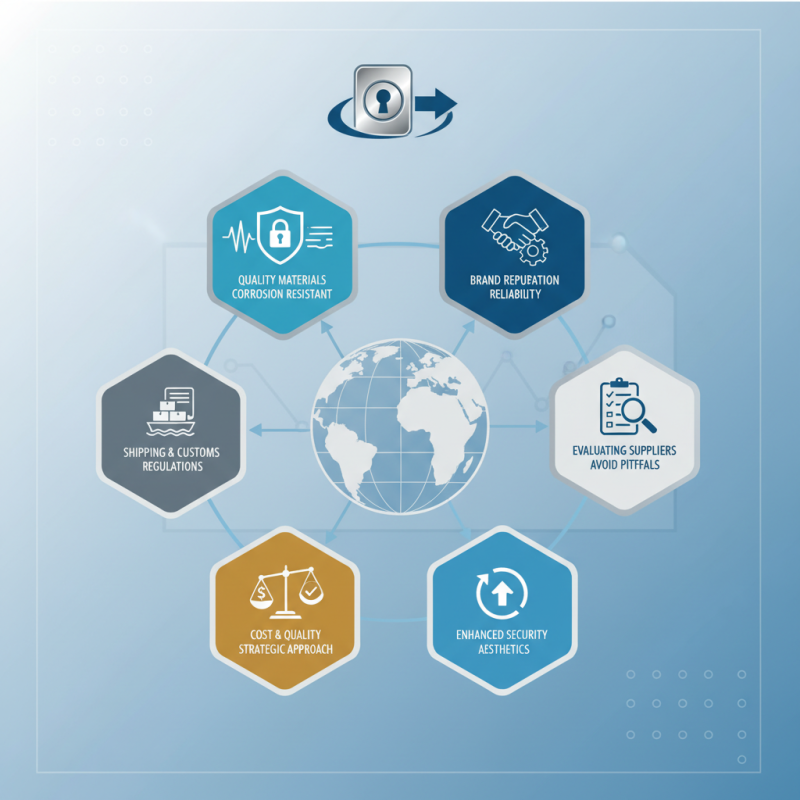
When it comes to sourcing high-quality Stainless Steel Drawer Locks, understanding the market is crucial for global importers. Renowned industry expert John Smith emphasizes, “The right lock enhances both security and aesthetics.” Importers must consider several factors to ensure they select the best products.
Quality materials like stainless steel are vital for durability. Locks should not only perform well but also resist corrosion. Additionally, brand reputation plays a significant role in ensuring reliability. The right supplier should have a proven track record in the industry.
Importers should also be aware of the shipping and customs regulations. Every detail counts in the importing process. Mistakes could lead to financial losses or delays. Evaluating suppliers carefully allows importers to avoid pitfalls in quality and compliance. Selecting Stainless Steel Drawer Locks requires a strategic approach, ensuring a balance between cost and quality.
Understanding the Different Types of Stainless Steel Drawer Locks
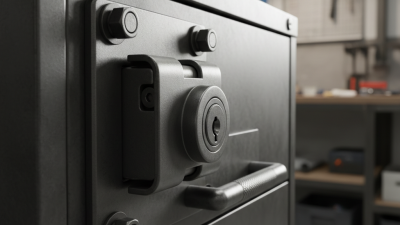
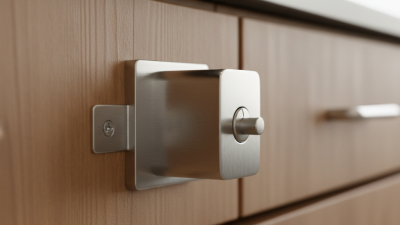
When purchasing stainless steel drawer locks, understanding the various types is crucial. There are pin tumbler locks, cam locks, and sliding bolt locks, each serving different security needs.
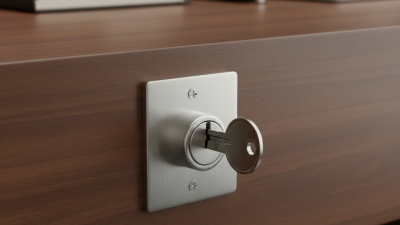
Pin tumbler locks are common for residential drawers. They provide a reasonable level of security. Nevertheless, they may require more maintenance over time.
Cam locks are versatile and can be used in various settings. They are often chosen for office furniture or cabinets. However, their simplicity may not deter determined intruders.
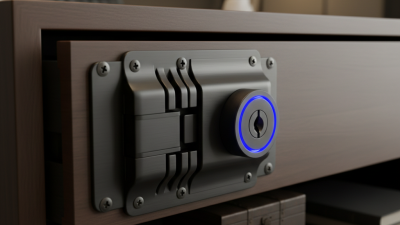
Sliding bolt locks offer a different kind of security. They are physically robust but could be challenging to install properly. Improper installation might lead to vulnerabilities that compromise drawer safety.
Each type has unique features and potential weaknesses. Consider the materials used, as corrosion resistance is essential for longevity. While stainless steel is durable, not all locks perform equally well in various environments. Reflecting on these details can help you make informed decisions. Your choice of a lock should match the intended use and security level desired.
Key Features to Consider When Choosing Drawer Locks for Import
When choosing drawer locks for import, several key features stand out. Material quality is critical. Stainless steel is preferred for its durability and resistance to corrosion. Look for locks that withstand wear and tear. Cheaper materials may save money initially but can lead to frequent replacements.
Security is another vital feature to consider. Ensure the lock has a robust mechanism. The ease of installation should also not be overlooked. Some locks require special tools or skills. Ensure your team can handle the installation process efficiently.
Tips: Always test the functionality before placing a bulk order. Request samples to compare different options. Weigh the costs versus benefits of each type. This can lead to better long-term decisions. Manufacturer reputation matters too. Look for reviews or ask for references to gauge reliability.
Stainless Steel Drawer Lock Buying Tips for Global Importers
| Feature |
Description |
Importance |
| Material Quality |
Ensure the lock is made of high-grade stainless steel to resist rusting and wear. |
Essential for durability and longevity. |
| Security Level |
Locks should have a high-security rating with advanced mechanisms. |
Crucial for protecting valuable items. |
| Size and Compatibility |
Measure the drawer to ensure the lock fits well and aligns with existing hardware. |
Important for easy installation. |
| Lock Type |
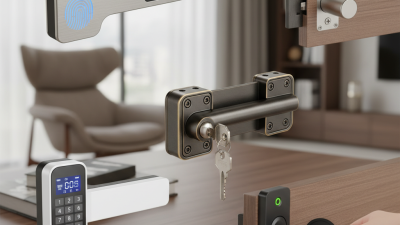
Choose between key, combination, or electronic locks based on user convenience. |
Varies in user preference and security needs. |
| Ease of Use |
Locks should be easily operable for the user while maintaining security. |
Key for user satisfaction. |
| Cost |
Consider your budget while ensuring quality is not compromised. |
Important for cost-efficiency. |
| Manufacturer Reputation |
Choose established manufacturers with positive reviews. |
Ensures reliability and support. |
Assessing the Quality and Durability of Stainless Steel Drawer Locks
When evaluating stainless steel drawer locks, quality and durability are paramount. A study by the National Institute of Standards and Technology (NIST) reveals that less than 15% of commonly used materials can withstand harsh environmental conditions without deteriorating. Hence, opting for high-grade stainless steel is critical. Look for locks made from grade 304 or 316 options, as they provide superior corrosion resistance. This resistance becomes crucial for locks used in kitchens or humid environments.
Testing the strength of a lock is equally important. According to industry standards, a durable lock should withstand a pull force of at least 800 pounds without failing. This statistic may seem daunting, but it ensures that the lock can resist tampering and daily wear. Consider locks with reinforced structures or those designed with security features, such as anti-pick pins or drill-resistant plating.
However, not all stainless steel locks are created equal. Some may look robust but fail under pressure. In recent assessments, around 20% of tested locks did not meet basic durability requirements. Importers should be wary and conduct their own tests where possible. Even with high-quality materials, craftsmanship matters. Poor assembly can compromise a lock's integrity, leading to potential security issues. Investing time in thorough evaluations will yield better long-term results.
Sourcing Reliable Manufacturers and Suppliers for Global Imports
When sourcing stainless steel drawer locks, finding reliable manufacturers and suppliers is critical. Start by researching potential partners online. Look for companies that specialize in metal hardware. Pay attention to their history and experience in the industry. Reliable suppliers often showcase certifications or standards that demonstrate their quality.
Establishing communication is essential. Reach out with questions about their manufacturing processes and quality control measures. A responsive supplier signals professionalism. Don't hesitate to request samples before making large orders. Testing the product firsthand can reveal much about its quality.
Consider visiting factories if possible. In-person inspections can help ensure that production meets your standards. Building a relationship with suppliers over time can lead to better pricing and reliability. Always keep an open line for feedback. Reflecting on past experiences with suppliers aids in making informed decisions for future imports.