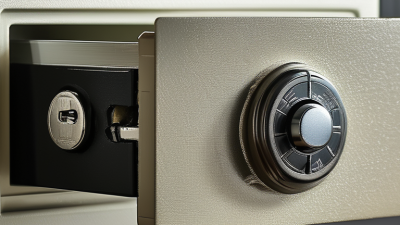
What Are Cabinet Drawer Locks and How Do They Work?
Cabinet Drawer Locks provide a practical way to protect documents, medication, tools, and personal belongings. They are small devices, yet their purpose is important. A locked drawer can prevent casual access and reduce everyday accidents, especially in homes with children.
Most Cabinet Drawer Locks use a simple mechanical system. A key turns a cylinder, which moves a metal bolt into or out of a receiving plate. When the bolt extends, the drawer stays closed. Some models use combination dials, push buttons, or electronic access instead. The best choice depends on the drawer material, mounting space, and security needs.
Installation requires careful measurement. A lock placed too close to an edge may weaken the wood or misalign the bolt. A cabinetmaker or experienced installer can check drawer thickness, clearance, and screw placement before drilling. I have found that testing the lock several times before final tightening prevents frustrating adjustments later.
No lock is perfect. A basic cam lock may stop curious hands, but it may not resist determined force. That distinction matters. Users should also keep spare keys in a secure, accessible location and inspect the mechanism when it feels stiff. Dust, loose screws, or a warped drawer can affect performance.
This guide explains common lock types, their internal parts, installation methods, and suitable applications. It also considers practical limitations, because reliable protection begins with realistic expectations. A secure drawer should support safe storage without making daily access unnecessarily difficult.
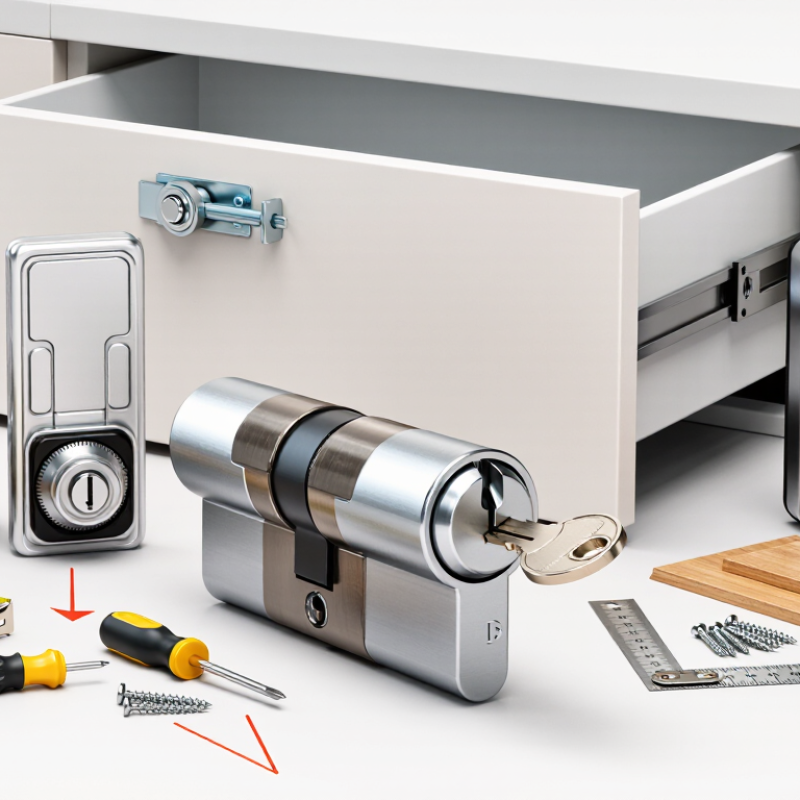
What Cabinet Drawer Locks Are and Why They Are Used
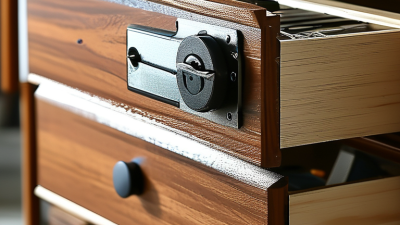
Cabinet drawer locks are small safety devices that restrict a drawer’s movement. They are commonly used to prevent children from reaching medicines, cleaning chemicals, sharp tools, or fragile dishes. Some models use an internal catch, while others use a magnetic key or a sliding latch. The lock usually connects the drawer front to the cabinet frame. When released, the drawer opens normally. Simple hardware.
Their purpose extends beyond child safety. A lock can keep confidential papers secure, reduce accidental opening during transport, and stop heavy drawers from sliding out. The World Health Organization’s World Report on Child Injury Prevention identifies poisoning and falls among major preventable childhood hazards. The U.S. Consumer Product Safety Commission also reports thousands of annual injuries linked to furniture tip-overs. Drawer locks cannot prevent every incident, but they can limit access and reduce one contributing risk.
Installation quality matters more than appearance. The catch should align with the drawer front, and adhesive surfaces need clean, dry wood or laminate. Test the drawer repeatedly. A loose latch creates false confidence. This is where many installations fail. Older cabinets may have uneven gaps, warped panels, or weak surfaces that require screws instead of adhesive. Professional installers should also check neighboring drawers, because an unlocked drawer can still provide climbing leverage. Sources: World Health Organization, World Report on Child Injury Prevention; U.S. Consumer Product Safety Commission, Furniture Tip-Over reports.
What Are Cabinet Drawer Locks and How Do They Work?
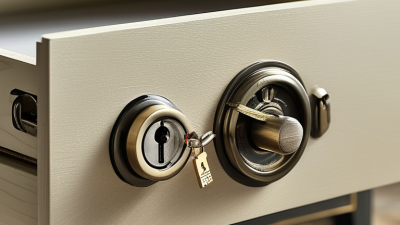
Cabinet drawer locks are compact security devices that prevent unauthorized access to stored items. A typical cam-lock assembly uses one lock cylinder, one rotating cam, one retaining nut, and one key. When the key turns the cylinder, the cam rotates behind the drawer frame and either blocks or releases the drawer.
The chart shows the common components in a basic cabinet drawer cam lock. The cylinder receives the key, the cam provides the physical blocking action, and the retaining nut keeps the assembly secured to the drawer front.
Main Types of Cabinet Drawer Locks
Cabinet drawer locks are small security devices that prevent a drawer from opening without a key, code, or release action. Most work by moving a metal bolt behind the cabinet frame. When the lock turns, the bolt retracts and frees the drawer. When locked, it blocks the drawer’s travel. Correct alignment matters. Even a strong lock can fail to close smoothly when the bolt meets a crooked strike plate.
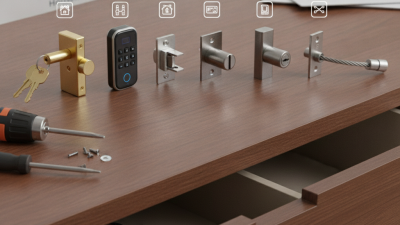
Cam locks are common in office pedestals and wooden cabinets. A rotating cam swings behind the side panel, creating a simple barrier. Cylinder locks use a key to turn an internal plug and usually offer better resistance to casual opening. Push locks are convenient for light-duty drawers. Pressing the cylinder locks the drawer, while pressing it again releases the spring-loaded mechanism. Sliding bolt locks use a straight metal bar and suit heavier drawers, although they need more installation space. Combination locks remove the need for a key. Their small number wheels can be practical, but forgotten codes create an annoying problem.
Choosing a lock depends on drawer thickness, material, clearance, and daily use. Measure the panel before drilling. A lock made for thin plywood may sit poorly in solid hardwood. During installation, test the drawer repeatedly and check for rubbing. I have found that convenience often reduces security, while stronger hardware may slow ordinary access. There is no perfect type. A careful fit usually matters more than a complicated design.
Key Parts and Mechanisms Inside a Drawer Lock
Cabinet drawer locks are compact mechanical devices, but their security depends on several small parts working together. The lock body holds the cylinder, plug, springs, and pins or wafer tumblers. When the correct key enters, its cuts align the tumblers at the shear line. The plug can then rotate, usually about 90 degrees. A flat cam behind it moves into or away from the cabinet frame.
The cam is the working barrier. In a locked position, it catches the rear edge of the cabinet or a separate strike plate. The housing keeps the cylinder stable, while a retaining nut or clip prevents movement during repeated use. In field inspections, loose mounting hardware often creates more trouble than a worn key. The drawer may rattle first. That detail matters.
Market data shows why these mechanisms still receive engineering attention. Grand View Research reported that the global smart locks market was valued at about 2.4 billion dollars in 2022, with continued growth expected through 2030. MarketsandMarkets also projected strong expansion for electronic locking systems through 2028. These figures concern broader lock technology, not drawer locks alone, but they reflect rising expectations for access control.
A drawer lock is not unbreakable. Thin cabinet panels can remain the weak point. Poor alignment also increases friction and accelerates wear. A careful installer checks the cam path, screw tension, and key rotation before regular use. Small parts. Serious consequences.
How Cabinet Drawer Locks Secure and Release Drawers
A cabinet drawer lock secures a drawer by connecting its latch or bolt with a fixed part inside the cabinet. When the key turns, the internal cam rotates and moves the bolt into position. This blocks the drawer from sliding outward. Some locks use a push button or a small lever instead of a key, but the basic action remains similar: the locking piece must meet the cabinet frame correctly.
Releasing the drawer requires reversing that movement. Turning the key back withdraws the bolt, allowing the drawer to open smoothly. In practical cabinet work, alignment matters as much as the lock itself. A drawer may stay locked because the bolt presses against the frame. It may also feel secure while the screws are loose. That detail is easy to overlook. Dust, swollen wood, or a slightly shifted drawer can also prevent clean release. Never force the key, because pressure can damage the cylinder or bend the key.
Tips: Check that the drawer sits level before adjusting the lock. Close it slowly and listen for a clear click. Test the lock several times with the drawer empty. If release feels rough, inspect the bolt path and mounting screws. A small amount of suitable lock lubricant may help, but excess lubricant can attract dust. A careful fit usually provides better security than a complicated mechanism.