Top 5 Tips for Choosing the Best Furniture Drawer Locks?
When selecting Furniture Drawer Locks, security is paramount. A recent industry report highlights that over 30% of household thefts occur through unsecured furniture. This statistic emphasizes the importance of choosing reliable locking mechanisms. A well-chosen lock enhances safety and also provides peace of mind.
Understanding the types of locks available is crucial. For instance, traditional keyed locks offer straightforward security, while electronic options provide advanced features. However, some locks may fail under pressure or wear out over time. It's essential to weigh the pros and cons of each type carefully.
Additionally, the installation process plays a significant role. Some locks require professional assistance, adding to the expense. DIY options may save money but could compromise security if not installed correctly. Ultimately, it is about finding a balance between affordability and safety, ensuring your furniture remains secure for years to come.
Understanding the Different Types of Furniture Drawer Locks
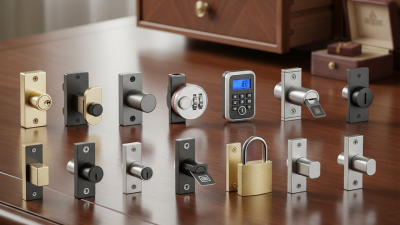
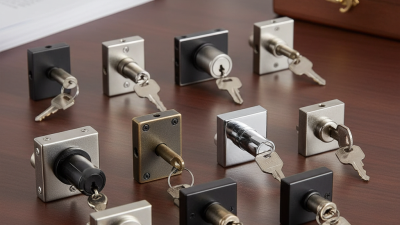
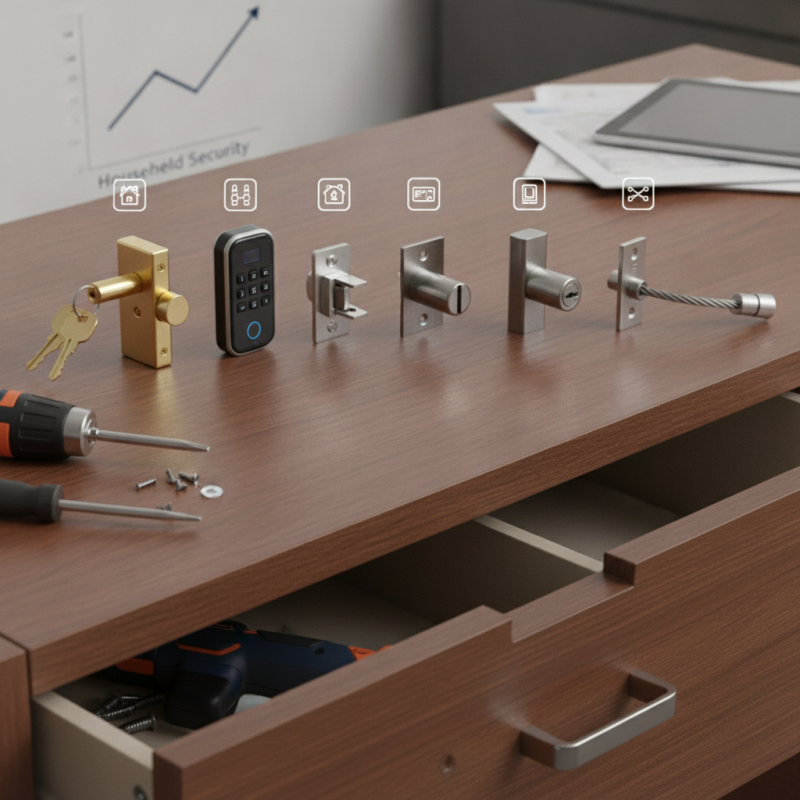
When it comes to choosing the right furniture drawer locks, understanding the different types is essential. There are various locks available, each offering unique features and security levels. Pin tumbler locks are common. They operate using a series of pins that align to allow the lock to turn. These locks are relatively easy to install and provide a decent level of security for home use.
Another popular choice is the cam lock. This type uses a rotating arm to secure the drawer. They are often found in cabinets and office furniture. Cam locks come in numerous sizes and designs, making them versatile for different furniture types. However, they may not be as robust against forced entry compared to other options.
Lastly, keyless locks are gaining traction due to their convenience. They often use a combination of numbers or a keypad. While these locks can be easier to use, they do have their drawbacks. Users must remember the passcode, or risk being locked out. It's vital to weigh the pros and cons of each type before making a decision. A thorough understanding of these locks will lead to better choices for securing your furniture.
Top 5 Tips for Choosing the Best Furniture Drawer Locks
| Lock Type |
Security Level |
Ease of Installation |
Material |
Price Range |
| Cam Lock |
Medium |
Easy |
Metal |
$5 - $15 |
| Sliding Bolt Lock |
High |
Medium |
Steel |
$10 - $25 |
| Digital Lock |
Very High |
Hard |
Plastic/Metal |
$50 - $100 |
| Keyed Alike Lock |
Medium |
Easy |
Brass |
$15 - $30 |
| Smart Lock |
Very High |
Hard |
Metal |
$100 - $200 |
Evaluating Security Features for Drawer Locks
When selecting drawer locks, security features are paramount. Look for locks that offer durable materials. Metal locks typically provide more strength than plastic ones. Consider the type of mechanism as well. Simple key locks may be less secure than combination or electronic options. Each type has its own pros and cons.
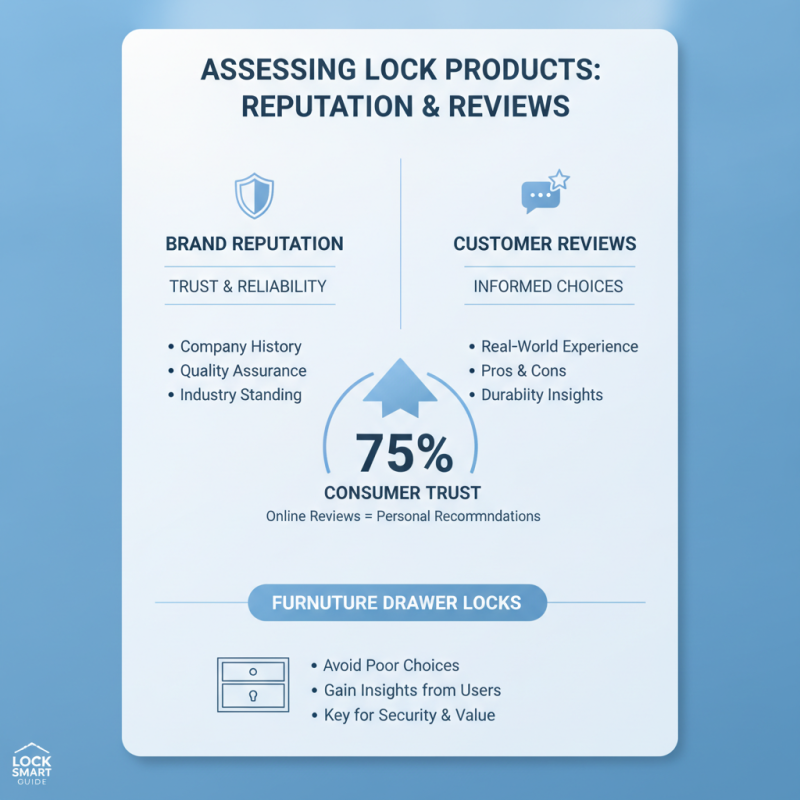
Evaluate the level of security you need. For personal items, a basic lock may suffice. However, valuable or sensitive contents require higher-grade options. Test how easily the lock can be accessed. Sometimes, seemingly secure locks can be opened with minimal effort. Research user experiences for insights on reliability. Customer reviews often reveal issues not obvious in product descriptions.
Finally, seek expert opinions when choosing. Trusted sources can guide you to options that balance security and usability. Remember, it’s about finding what works best for your needs. Don’t hesitate to ask questions. Understanding your choice is crucial for ensuring safety.
Considering Material Durability and Quality in Lock Selection
When selecting furniture drawer locks, material durability and quality are crucial. Locks made from solid metals, such as stainless steel, often provide better security. These materials resist wear and tear over time, especially in high-use environments. Avoid cheap plastic options; they can easily break or wear out.
Every piece of furniture faces different conditions. For example, kitchen drawers endure moisture while bedroom units face less stress. Consider the environment before making a choice. A resilient lock may be an investment, but its longevity will save money in the long run. Research says that well-made locks can last years longer than inferior models.
Always check the manufacturing standards. Reliable locks often meet specific industry regulations. However, not all products disclose this information. Be wary of brands presenting false claims. Testing the lock’s durability in-store can be a worthwhile exercise. Look out for signs of poor craftsmanship before committing to a purchase. Your choice may affect the security and functionality of your furniture over time.
Analyzing Ease of Installation and Use for Drawer Locks
When selecting drawer locks, installation and usability are critical factors. A recent industry report highlighted that over 35% of users struggle with complex installations. This statistic suggests that ease of installation should be a priority when choosing locks. Many modern drawer locks come with straightforward instructions, which can reduce frustration during setup.
Moreover, the importance of user-friendliness cannot be overstated. According to data from a 2022 consumer study, 60% of users prefer locks that can be operated with minimal effort. A lock that requires intricate mechanisms might deter users from securing their valuables. Testing the lock before purchase can provide insights into how smoothly it engages.
Considering these factors is essential. Users should also reflect on how often they'll use the lock. Frequent usage may warrant a lock that's more robust but easy to operate. Weighing the trade-offs between security and convenience will help in making a well-informed decision on the best drawer locks for your needs.