Signature Products, Unmatched Quality


  • yx
  • yx
  • whatsapp
  • Twitter
  • Facebook
Leave Your Message

10 Best Heavy Duty Drawer Locks for Wholesale Buyers

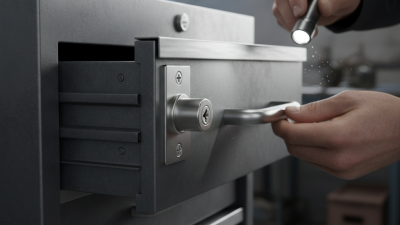
Wholesale buyers need more than a low unit price when selecting a Heavy Duty Drawer Lock. A lock may look solid in a product photo, yet fail after repeated opening, vibration, or careless handling. Grand View Research’s cabinet hardware market analysis highlights continued demand for durable, functional hardware in residential and commercial applications. That trend matters for distributors serving workshops, offices, retail counters, and industrial storage environments.

This guide reviews ten Heavy Duty Drawer Lock options through practical purchasing criteria. These include body material, cylinder strength, bolt engagement, corrosion resistance, key control, installation depth, and packaging efficiency. The evaluation also considers repeat-order value, because a dependable lock should support fewer returns and simpler stock management. The Freedonia Group’s industry research on hardware and building products shows why product durability and replacement demand remain important factors for professional buyers. However, market reports rarely explain how a lock performs inside a crowded metal drawer. That gap requires hands-on judgment.

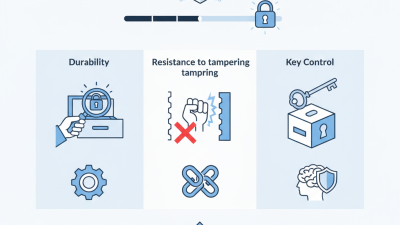
A strong choice should resist twisting when the drawer is pulled sideways. Its mounting plate should sit flat, without sharp movement around the screw holes. Stainless steel or zinc alloy can improve durability, but the design still matters. More metal does not automatically mean better security. That is an easy mistake.

Buyers should also check key consistency across batches, master-key availability, carton protection, and supplier quality records. ANSI/BHMA performance principles provide useful reference points, although many drawer locks are not directly certified under every standard. No lock is perfect. The best wholesale option balances strength, installation speed, cost, and reliable supply.
10 Best Heavy Duty Drawer Locks for Wholesale Buyers

Heavy-Duty Drawer Lock Types and Their Security Features

Heavy-duty drawer locks vary widely in construction, resistance, and daily usability.

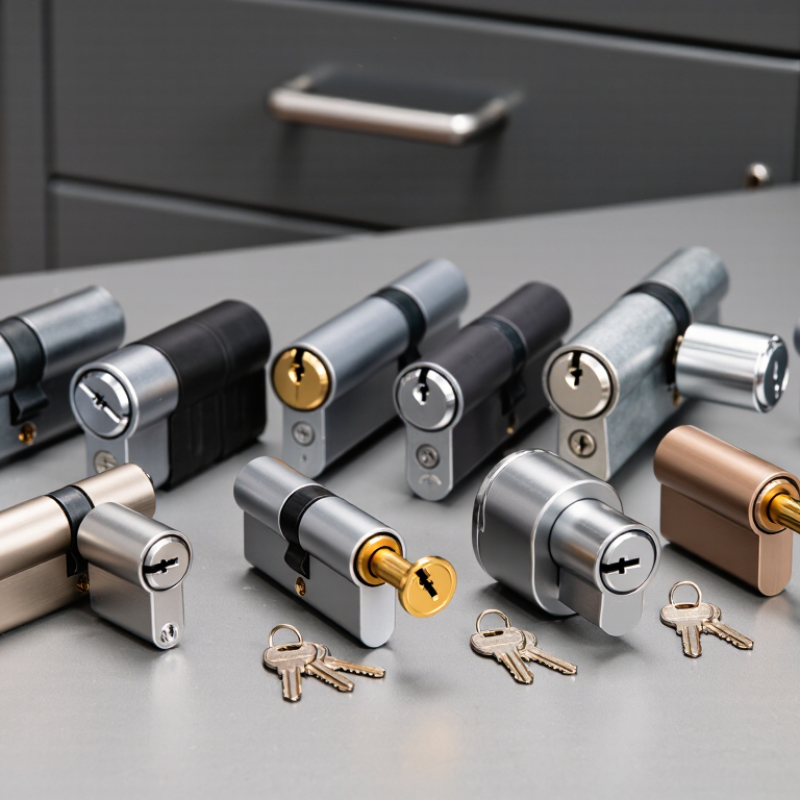
Cam locks suit office pedestals and light commercial drawers. Tubular or disc-detainer designs offer stronger pick resistance. Sliding-bolt locks provide deeper engagement behind the drawer face.

For high-use storage, hardened steel bodies, anti-drill plates, and concealed retaining nuts deserve close inspection.

The FBI’s 2023 Crime Data Explorer recorded more than 800,000 reported burglary offenses in the United States.

A drawer lock cannot secure an entire room. It can delay access and protect the most exposed point.

Wholesale buyers should compare forced-entry testing, key control, corrosion resistance, and cycle ratings.

The National Retail Security Survey reported a 1.6% average inventory-shrink rate in its 2023 findings.

Small storage weaknesses can create repeated losses.

Look for locks with replaceable cylinders, restricted key profiles, and positive deadlocking action.

Stainless steel components help in humid warehouses, but plating quality still matters.

Electronic keypad locks add audit trails and temporary access codes. They also require battery planning.

A failed battery is still a failure.

Some suppliers overstate “high security” without publishing test methods or material thickness. That should trigger questions.

Standards such as EN 1303 can help evaluate cylinder performance, although not every drawer lock falls within its scope.

Request samples, test them with gloves, and measure alignment after repeated opening.

Convenience is often overlooked. A lock that staff leave unsecured is not a secure solution.
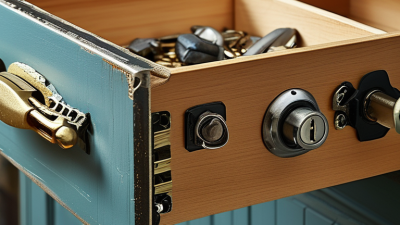
Key Specifications for Evaluating Wholesale Drawer Locks

When evaluating heavy duty drawer locks for wholesale purchase, start with the drawer’s actual working conditions. Measure the panel thickness, lock body depth, and available clearance behind the drawer. A lock that fits a sample may fail in production. I have seen small dimensional differences delay an entire cabinet shipment.

Material choice affects service life. Zinc alloy suits many indoor applications, while stainless steel performs better in humid workshops and storage areas. Check the bolt thickness, mounting plate strength, and rated load capacity together. A strong cylinder cannot compensate for a weak fixing point. Ask for cycle-test data, not only a polished product photograph. Ten thousand operating cycles may sound sufficient, but daily commercial use can expose weaknesses quickly.

Security and installation details also deserve careful review. Confirm whether the lock supports keyed-alike or keyed-different options for your distribution plan. Examine key insertion, rotation angle, and resistance to forced pulling during sample testing. Poor alignment is common. The drawer should close smoothly without scraping the bolt. Surface treatment should resist rust, scratches, and repeated handling during transport. Request salt-spray results when buyers serve coastal markets. Packaging matters too; loose hardware can create scratches before installation. Check carton strength, spare keys, screws, installation templates, and labeling. Some specifications remain unclear until field testing, so keep a small trial order before committing to wholesale volume.

Comparison of Ten Heavy-Duty Drawer Lock Options

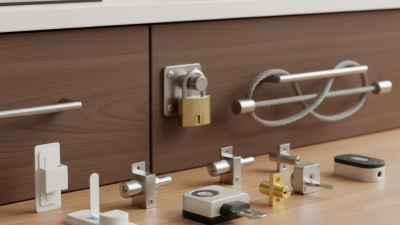
Wholesale buyers comparing ten heavy-duty drawer lock options should assess security, fit, service life, and installation speed. The group includes keyed cam locks, tubular locks, push-button locks, combination locks, electronic locks, sliding bolts, concealed locks, weather-resistant locks, high-security cylinder locks, and keyed-alike systems. Each serves a different drawer environment.

Grand View Research valued the global smart lock market at about USD 2.65 billion in 2023 and forecasts strong growth through 2030. This supports growing interest in electronic drawer access, but batteries and software create extra service work. Physical locks remain easier to stock and replace. For daily-use cabinets, buyers should request cycle-test results, metal thickness, key-retention details, and corrosion testing. ANSI/BHMA A156.11 provides a useful reference for cabinet lock performance, although not every supplier tests to it.

Look closely at the small details. A loose cam can damage thin steel. A short barrel may fail on reinforced panels. Keyed-alike options reduce warehouse complexity, while combination locks remove lost-key claims. Electronic models need emergency access and clear battery warnings. Weather-resistant designs need sealed covers, not just attractive coatings. The comparison is imperfect: advertised cycle counts often use controlled laboratory conditions. Ask for mounting samples and test records. A lock that survives 100,000 cycles may still disappoint when drawers are misaligned or overloaded. Bulk packaging, spare keys, matching cylinders, and replacement lead times also influence the real wholesale cost.

10 Best Heavy Duty Drawer Locks for Wholesale Buyers - Comparison of Ten Heavy-Duty Drawer Lock Options
Option Locking Format Body Material Bolt or Cam Material Typical Panel Thickness Approx. Body Size Keying or Access Security Features Environmental Suitability Installation Recommended Wholesale Applications
Option 1
Heavy-Duty Cam Lock
Quarter-turn keyed cam lock Zinc alloy die-cast body with chrome finish Hardened steel cam 1.0–3.0 mm Approx. 25 mm body length; 19–25 mm cylinder diameter Flat key; commonly supplied with two keys Rotating cam, concealed mounting nut, and anti-turn washer Indoor use; suitable for office, workshop, and retail furniture Single-hole installation with retaining nut General-purpose metal drawers, cabinets, and tool storage
Option 2
Tubular-Key Cam Lock
Quarter-turn tubular-key cam lock Zinc alloy body Steel cam with zinc or nickel plating 1.0–3.0 mm Approx. 20–30 mm body length; 19 mm cylinder diameter Tubular key system; key-retaining or non-key-retaining versions More difficult to pick than basic wafer-style locks; concealed fastener Indoor and sheltered commercial environments Panel hole plus rear retaining nut Cash drawers, service cabinets, vending equipment, and display units
Option 3
Push-Button Combination Lock
Mechanical push-button lock with cam bolt Zinc alloy or reinforced polymer housing Steel cam or sliding bolt 1.0–3.0 mm Approx. 55–75 mm face length; 30–45 mm body depth 3- or 4-digit mechanical code; no key required Code reset function, automatic relocking, and non-electronic operation Indoor use; avoid continuous moisture exposure Surface-mounted or through-panel, depending on configuration Shared storage, employee lockers, educational furniture, and office drawers
Option 4
Stainless Steel Compression Lock
Quarter-turn compression latch with lock cylinder 304 stainless steel Stainless steel cam 1.0–4.0 mm Approx. 25–35 mm body length; 19–22 mm cylinder diameter Flat key; keyed-alike and keyed-different configurations are common Compression action helps reduce vibration, rattling, and dust entry Suitable for damp, outdoor, marine, and light industrial environments Single-hole mounting with rear nut and adjustable cam Outdoor cabinets, food-service equipment, transport cases, and industrial drawers
Option 5
Recessed Drawer Lock
Recessed quarter-turn lock with concealed face Powder-coated steel housing with zinc alloy cylinder Steel sliding bolt or cam 0.8–2.0 mm Approx. 45–65 mm face width; 15–25 mm installation depth Flat key; flush key slot Low-profile design reduces snagging and limits access to the lock body Indoor commercial and light industrial use Cutout installation with rear screws or retaining clips Tool chests, mobile workstations, metal furniture, and service counters
Option 6
Padlockable Hasp Lock
Surface-mounted hasp and staple Stamped or formed carbon steel Steel hasp and mounting plates Suitable for drawers with 1.0 mm or thicker mounting surfaces Approx. 50–100 mm overall length External padlock; accepts a small or medium shackle Visible locking point, replaceable padlock, and simple mechanical design Indoor and sheltered outdoor use; plated versions resist light corrosion Surface-mounted with screws or rivets Industrial storage, warehouse drawers, tool cabinets, and utility boxes
Option 7
Multi-Point Drawer Lock
Central lock with connecting rods or cables Steel lock case with zinc alloy or steel faceplate Steel rods, hooks, or locking bars 0.8–2.0 mm Approx. 25–40 mm lock case depth; rod length varies by drawer size Flat key or removable-core cylinder Locks two or more points to help resist prying along the drawer front Indoor commercial and industrial environments Faceplate mounting with rod alignment and keeper brackets Wide filing drawers, archive cabinets, tool storage, and heavy office furniture
Option 8
Heavy-Duty Sliding Bolt Lock
Key-operated sliding bolt Steel or zinc alloy lock body Hardened steel bolt 1.0–3.0 mm Approx. 35–60 mm body length; 8–12 mm bolt travel Flat key or tubular key, depending on cylinder design Direct bolt engagement, anti-rotation housing, and protected mounting screws Indoor use and sheltered industrial locations Surface-mounted or recessed installation Heavy tool drawers, machinery enclosures, and service-access compartments
Option 9
Electronic Solenoid Drawer Lock
Electrically released bolt lock Steel lock case with zinc alloy or polymer cover Steel spring-loaded bolt Typically installed behind a drawer front or cabinet panel Approx. 45–80 mm body length; 20–30 mm body depth 12 V DC or 24 V DC input; controlled by keypad, access controller, or RFID reader Automatic relocking, access logging when paired with a controller, and concealed operation Indoor environments; use a protected enclosure in dusty or damp areas Internal mounting with cable connection and keeper alignment Smart storage, healthcare furniture, retail fixtures, and controlled-access cabinets
Option 10
Stainless Steel Keyed-Alike Cam Lock
Quarter-turn keyed cam lock with shared keying 304 stainless steel body Stainless steel or plated steel cam 1.0–3.0 mm Approx. 25–35 mm body length; 19 mm cylinder diameter Keyed-alike configuration for multiple drawers; commonly supplied with two keys per lock Consistent access across a cabinet group, anti-turn washer, and concealed retaining nut Good resistance to humidity, cleaning chemicals, and light salt exposure Single-hole mounting with rear nut Commercial kitchens, laboratory furniture, medical carts, and outdoor service drawers
Specification note: Dimensions and material combinations shown are typical procurement ranges for heavy-duty drawer-lock categories. Final dimensions, finish, keying system, mounting hardware, and load performance should be confirmed against the supplier’s technical drawing before wholesale ordering.

Wholesale Purchasing Factors: Materials, Pricing, and Compatibility

Wholesale buyers should inspect materials before comparing drawer lock prices. Zinc alloy offers useful corrosion resistance and a clean finish for ordinary indoor furniture. Hardened steel usually provides stronger resistance against forced twisting. Stainless steel suits humid workshops, kitchens, and storage areas better. Material thickness matters too. A heavy-looking lock can still contain a weak internal cam.

Request samples from every shortlisted supplier. Check the body, cylinder, cam, screws, and washers separately. In my inspections, rough edges often reveal rushed manufacturing. Test each lock through repeated turns. Small friction differences can become expensive returns across a large shipment. The cheapest option is not always economical. However, premium metal is not automatically better for every drawer.

Pricing should include packaging, sample charges, replacement parts, and shipping damage allowances. Ask for stable quotation periods when exchange rates or metal costs may change. Compatibility needs equal attention. Measure drawer-panel thickness, lock-hole diameter, back clearance, cam length, and rotation direction. Confirm whether the lock accepts existing keys or requires new hardware. A few millimeters can stop installation. No spreadsheet catches every problem. I still recommend fitting samples onto the actual drawer material, because catalog dimensions can feel reassuring but prove incomplete.

Installation, Maintenance, and Quality Control Requirements

For wholesale buyers comparing the 10 best heavy-duty drawer locks, installation requirements deserve equal attention. A strong lock can fail when its mounting holes sit only two millimeters off center. Use a drilling template, confirm drawer clearance, and tighten fasteners evenly. Check the locking bar through at least ten complete cycles before shipment. Alignment matters. Avoid excessive torque, which may deform thin cabinet panels or strip threads. Record batch numbers, installer names, and torque readings for traceability.

Maintenance should include quarterly inspection in normal warehouses and monthly inspection in dusty or humid facilities. Look for loose screws, bent housings, corrosion spots, and difficult key rotation. Use only the lubricant specified for the mechanism. Some oils attract dust and create abrasive paste. Quality control should combine dimensional checks, functional testing, and corrosion screening. ASTM B117 salt-spray testing can expose coating weaknesses, although it does not fully reproduce field conditions. That limitation deserves attention.

The ISO Survey 2023 recorded more than 1.2 million valid ISO 9001 certificates worldwide, showing the value of documented quality systems. Wholesale suppliers should request inspection plans, corrective-action records, and sampling evidence. ANSI/ASQ Z1.4 sampling can support consistent lot decisions, but sampling alone cannot replace process control. The 2024 State of Smart Manufacturing report found that 95% of manufacturers were investing in, or planning, smart-manufacturing initiatives. Simple digital records can therefore track lock cycles, defect rates, and supplier changes. Keep records. A perfect checklist still misses unusual failures, so buyers should review field returns and revise acceptance criteria.