China Top 10 Furniture Drawer Locks You Should Know?
In the dynamic world of furniture design, understanding the importance of Furniture Drawer Locks is crucial. According to a recent market report, the global furniture lock market is projected to reach $2.3 billion by 2027, driven by rising security concerns and an increasing demand for smart furniture solutions. Furniture Drawer Locks play a vital role in ensuring both security and functionality. These locks protect personal belongings and enhance the overall aesthetic of furniture pieces.
The variety of materials and technologies available can be overwhelming. Some locks are simple and effective, while others integrate advanced mechanisms. This diversity reflects the changing preferences of consumers who increasingly prioritize both style and safety. However, not all options guarantee long-term durability. Users often face challenges regarding quality and effectiveness. It’s essential to research and select reliable brands.
As the furniture industry evolves, keeping up with the latest innovations in Furniture Drawer Locks becomes imperative for consumers and manufacturers alike. Maintaining security without compromising style can be challenging. However, making informed choices at this intersection can lead to greater satisfaction with furniture investments. Choosing the right lock requires thoughtful consideration of various factors, such as design, usability, and overall security features.
Overview of Furniture Drawer Locks in China
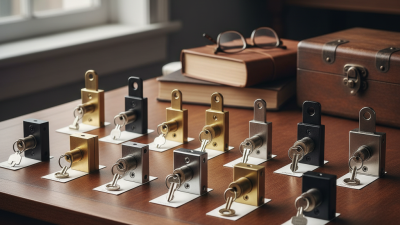
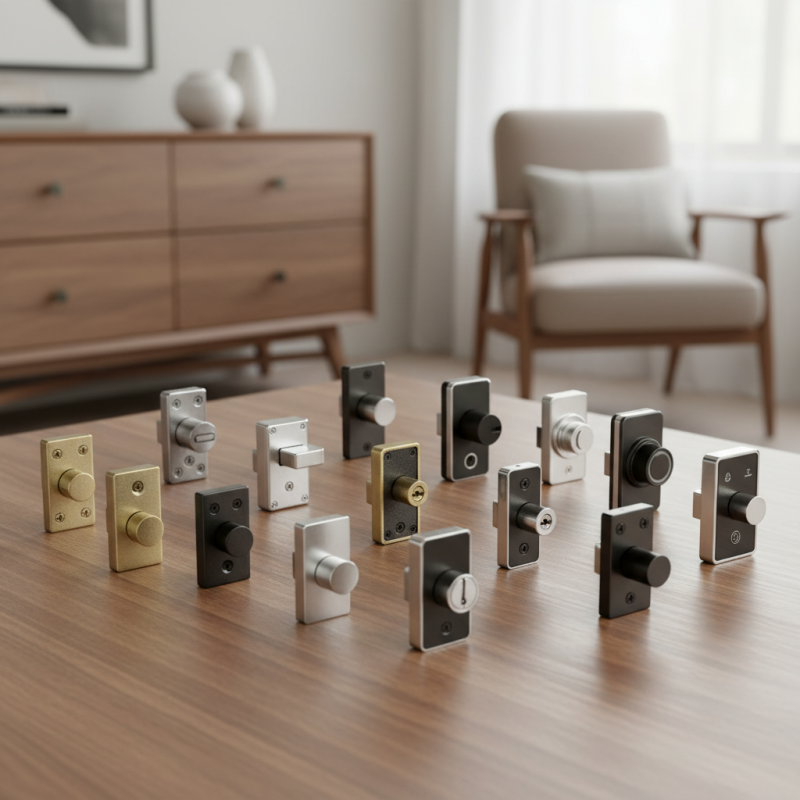
In China, furniture drawer locks play a critical role in enhancing security and protecting valuable items. These locks come in various types and styles, catering to different furniture designs. From wooden drawers to metallic cabinets, the market offers solutions that accommodate diverse needs. Material quality is essential. A well-made lock should resist wear and tear over time while ensuring smooth functionality.
Chinese consumers prioritize safety in their homes. Many families seek durable and reliable drawer locks. However, not all products on the market meet these high standards. It's important to assess the quality of materials and locking mechanisms before making a purchase. This leads to some unfulfilled expectations, with some consumers experiencing lock failures due to poor craftsmanship.
Moreover, innovation in design has brought forward more user-friendly options. Brands may incorporate features that enhance usability, like easy installation and accessibility. Still, buyers should be cautious. A stylish lock doesn’t always ensure security. Understanding the specific needs for different furniture types is crucial. It can guide consumers toward making informed choices.
Top Features to Look for in Furniture Drawer Locks
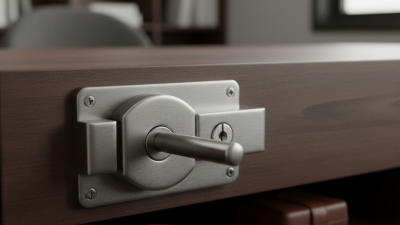
When choosing furniture drawer locks, specific features are crucial for security and ease of use. Focus on materials and design. High-quality locks often use steel or reinforced plastic. These materials resist wear and provide longevity. Reports indicate that about 30% of furniture theft occurs due to inadequate locking mechanisms. A sturdy lock can significantly reduce this risk.
Another key feature is the locking mechanism type. Pin tumbler locks are common and provide robust security. Combination locks offer convenience but might not be as reliable. Studies suggest that nearly 20% of users struggle with mechanical failure in combination systems. This highlights the need for easy maintenance and user-friendly designs.
Compatibility with different furniture types is essential too. Universal locks can fit various drawers, enhancing versatility. Additionally, ease of installation matters. Roughly 25% of homeowners report challenges during installation, which can deter proper usage. Ensuring that locks are straightforward to install can improve overall user satisfaction and security effectiveness.
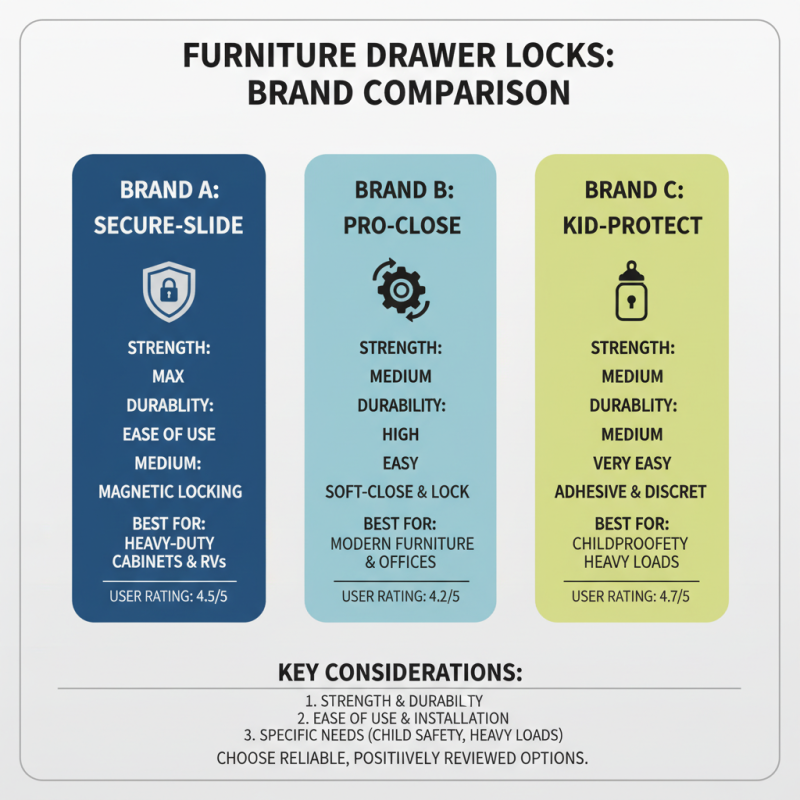
Comparison of Popular Furniture Drawer Lock Brands
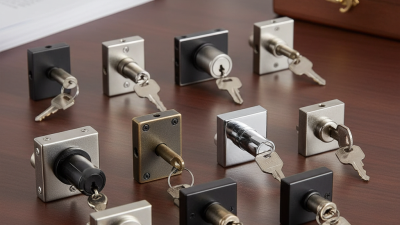
When choosing furniture drawer locks, understanding brand options is crucial. Different brands offer various features like strength, durability, and ease of use. Many locks cater to specific user needs, so it’s important to compare them carefully. Look for locks that have received positive feedback about their reliability and performance.
Among popular brands, some emphasize security features while others focus on design. Many users appreciate aesthetics, but functionality remains paramount. It’s also worth noting that not every lock fits all types of drawers. Some users may find a certain lock hard to operate or install. Researching user reviews can help highlight these potential drawbacks.
Moreover, some brands may offer extensive warranties, indicating their confidence in the product. Others may lack this assurance, raising questions about their reliability. Each lock has its pros and cons. Users should weigh these factors based on their specific furniture needs and preferences.
Installation Tips for Furniture Drawer Locks
When installing furniture drawer locks, it's crucial to measure accurately. Take proper measurements of your drawer fronts. Inaccuracies can lead to misalignment, making the lock ineffective. A simple mistake can compromise security and usability. Use a tape measure for precision.
Next, mark the drill points clearly. Avoid guessing where to drill; this can cause unnecessary damage. Use a level to ensure everything lines up correctly. Incorrectly placed locks not only look unprofessional but also may malfunction over time. Always consider how often you'll lock and unlock the drawer.
Finally, secure the lock firmly. Using the right screws is essential. Over-tightening can crack the wood, while under-tightening will weaken the hold. Test the lock several times after installation. If it doesn’t operate smoothly, reassess your installation. Sometimes, taking a step back can reveal overlooked issues.
Maintenance and Security Considerations for Drawer Locks
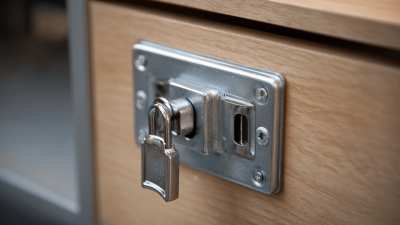
Drawer locks are essential for maintaining security in furniture. According to recent industry reports, about 60% of homeowners prioritize enhanced security features in their furniture selections. While many consider aesthetics, the functionality of locks should not be overlooked. Weak or poorly made locks can compromise the safety of your belongings. A reliable lock can act as a deterrent to potential theft.
Maintenance of drawer locks is crucial. Regular inspections can help identify wear or damage early. Lubricating mechanisms can prevent jams and ensure smooth operation. Yet, many users neglect this aspect. Over time, dust and debris can impact lock functionality, causing frustration. Additionally, improper use of keys or excessive force can lead to premature lock failure.
Security can also be influenced by lock design. Reports show that more sophisticated locking mechanisms offer greater resistance to tampering. However, simplicity is not always synonymous with weakness. Many basic locks can provide adequate security when maintained properly. Awareness of potential vulnerabilities can lead to better choices when selecting locks for your furniture.