7 Tips for Choosing Furniture Drawer Locks
Choosing the right Furniture Drawer Locks involves more than matching a key to a drawer front. In practical furniture work, a lock must fit the cabinet’s structure, daily use, and expected level of protection. A small metal drawer may need a compact cam lock, while a deep wooden drawer may require longer hardware and stronger support. Measure the drawer thickness first. Then check the lock body, cylinder length, cam rotation, and clearance behind the drawer. A mistake of only a few millimeters can prevent smooth closing.
These seven tips examine security, material quality, installation, key control, appearance, maintenance, and user comfort. Look for corrosion-resistant metal, a firm turning action, and components that do not scrape the wood. Test the lock before final installation. It should engage cleanly without forcing the key. That detail matters.
Consider who will use the furniture. A frequently opened office drawer needs simple operation, while a display cabinet may prioritize discreet styling. Manufacturer specifications and independent product reviews can reveal weaknesses that photographs hide. Still, no lock is perfect. Thin panels, loose screws, or poor alignment can reduce performance over time. I have seen attractive locks fail because the mounting area was never reinforced. That is an easy detail to overlook.
A reliable choice balances security, durability, fit, and appearance. It should also remain practical after months of use. Before purchasing, compare measurements carefully and question impressive claims. The best option is not always the most expensive one. It is the lock that suits the furniture and the people using it.
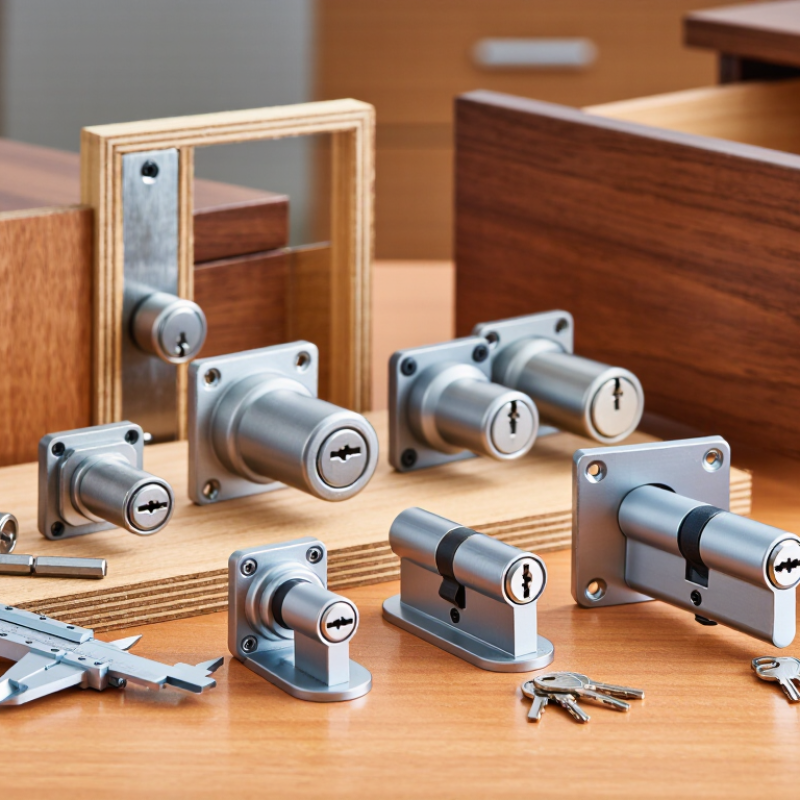
Define the Security Needs of the Furniture
7 Tips for Choosing Furniture Drawer Locks
Define the Security Needs of the Furniture
Before choosing a drawer lock, identify what the drawer must protect. Documents, medication, keys, and small electronics need different security levels. A workshop drawer may need resistance against force, while a bedroom drawer may only require privacy. Consider who can reach the furniture, how often the drawer opens, and where it stands. A lock beside a busy entrance faces more accidental handling than one in a private office.
Tip: Match the lock to the real risk.
During cabinet inspections, I check the drawer material, front thickness, and internal clearance. A strong lock cannot perform well if the wood splits or the bolt barely enters the catch. Measure carefully. The lock should operate smoothly without scraping, binding, or leaving sharp edges. For frequent use, a durable mechanical mechanism may be more dependable than a complicated feature that users misunderstand. I once focused too much on lock strength and overlooked the weak drawer frame. That was a useful correction.
Tip: Test the furniture, not only the lock.
Think about access control as well. Decide whether one person, several staff members, or occasional guests need entry. A key lock may suit controlled personal access, while a code-based option can reduce misplaced keys. However, codes require disciplined management and occasional replacement. Check resistance to moisture, dust, and repeated movement. Keep installation records, inspect screws after use, and replace worn parts early. Security is often limited by maintenance, not the advertised mechanism.
7 Tips for Choosing Furniture Drawer Locks: Define the Security Needs of the Furniture
Security priorities vary according to the furniture’s contents, user access, and exposure to tampering. This practical 1–5 assessment compares the main requirements when selecting a drawer lock: resistance to forced entry, access control, privacy protection, and tamper visibility. Use higher scores to prioritize stronger lock construction, restricted keys, concealed mechanisms, or improved auditability.
Choose the Right Lock Type for Each Drawer
7 Tips for Choosing Furniture Drawer Locks
Choose the Right Lock Type for Each Drawer
A drawer lock should match the drawer’s structure, use, and contents. In cabinet fitting work, I measure the front thickness, side clearance, and internal depth before choosing hardware. A cam lock suits many wooden drawers because its rotating tongue grips the frame securely. It needs accurate drilling, though. A small measuring error can leave the lock loose or difficult to turn.
For a shallow desk drawer, a compact cylinder lock usually works well. It offers a clean appearance and does not consume much interior space. A push lock may be better for modern furniture with limited front access. It can open with a press, but the catch must align precisely.
For heavier drawers, consider a stronger lock body and a reinforced strike area. Thin particleboard may split around the mounting hole.
Match the lock to daily use. A frequently opened drawer needs smooth operation and a durable keyway. A private storage drawer may need greater resistance to forced opening. Check whether the lock includes two keys, replacement parts, and clear fitting instructions. I once chose a lock by appearance alone. That was a poor decision. The key scraped the drawer front, and the latch missed the frame. Test the lock several times before final installation, especially when the drawer slides feel tight or uneven.
Check Compatibility, Usability, and Key Management
7 Tips for Choosing Furniture Drawer Locks
Tip 1: Check Compatibility
Measure the drawer panel, lock body, and available clearance before ordering. A lock may fit the hole but still collide with the drawer frame. Check the material thickness, mounting direction, and latch position. For a wooden drawer, I usually test the lock on a spare panel first. This small step prevents chipped edges and expensive rework. Confirm the supplier’s installation dimensions, not only the product photograph.
Tip 2: Test Usability
A good drawer lock should operate smoothly with one hand. Turn the key several times before installation. Watch for stiffness, scraping, or a latch that barely reaches the strike plate. Small details matter. Older users may struggle with tiny keys or shallow key grooves. In busy offices, a lock requiring excessive force becomes frustrating quickly. I once chose a compact lock that looked suitable, but its short latch caused alignment problems after repeated drawer use. That mistake changed my testing routine.
Tip 3: Plan Key Management
Count users before selecting keyed-alike or individually keyed locks. Label keys discreetly, and keep a controlled record in a secure location. Avoid hiding spare keys inside the furniture. That habit is convenient, but unreliable. Ask about replacement keys, master-key options, and key differences before purchase. A simple key cabinet or numbered register can reduce confusion. Review the system after installation, especially when staff or household access changes. Reliable key management is part of the lock’s daily performance.
7 Tips for Choosing Furniture Drawer Locks - Check Compatibility, Usability, and Key Management
| Tip |
What to Check |
Practical Guidance |
Recommended Choice |
| 1. Measure the drawer |
Panel thickness, available depth, lock-hole diameter, and clearance behind the drawer front |
A lock must fit the drawer material and leave enough room for the cam, bolt, or latch to move without contacting the drawer box. |
Select a lock only after comparing its installation dimensions with the furniture measurements. |
| 2. Match the lock type |
Cam locks, push locks, cylinder locks, sliding bolts, or magnetic cabinet locks |
Cam locks are common for office drawers and cabinets. Push locks can provide key-operated or push-to-lock operation. Magnetic locks are discreet but may require a compatible catch and alignment. |
Use a cam or cylinder lock for general drawer security; choose a magnetic option when concealed hardware is more important than high resistance to forced entry. |
| 3. Check material compatibility |
Solid wood, plywood, particleboard, MDF, metal, or glass-front furniture |
Thin panels may need a reinforcing plate or backing washer. Brittle materials require careful drilling and adequate edge distance to reduce cracking or breakout. |
For thin or composite panels, choose a lock with suitable fixing hardware and a panel-thickness range that includes the measured thickness. |
| 4. Evaluate daily usability |
Key insertion, turning force, access angle, drawer alignment, and frequency of use |
A lock used several times a day should operate smoothly and remain accessible when the drawer is fully closed. Misalignment can make even a suitable lock difficult to use. |
Choose a simple quarter-turn cam or push lock for frequent access, provided the drawer can be aligned accurately. |
| 5. Define the security level |
Protection needed against casual access, children, tampering, or forced entry |
Furniture drawer locks generally provide access control rather than the level of security associated with building door hardware. A stronger housing, protected cylinder, and secure mounting can improve resistance to tampering. |
Use a robust cylinder or cam lock for confidential documents; use a basic latch or magnetic lock for light-duty access control. |
| 6. Plan key management |
Number of drawers, keyed-alike or keyed-different requirements, spare keys, and replacement availability |
Keyed-alike locks allow one key to operate multiple drawers. Keyed-different locks limit access between users. Keep a controlled record of spare keys and avoid storing all spares beside the furniture. |
Choose keyed-alike for one-user storage and keyed-different for shared offices or separate access zones. |
| 7. Confirm installation and maintenance |
Drilling requirements, included fasteners, corrosion resistance, replacement parts, and cleaning method |
Verify whether installation requires a hole saw, template, screwdriver, or special fasteners. Keep the lock clean, avoid forcing the key, and correct drawer sag or misalignment before lubricating the mechanism. |
Select hardware with clear installation dimensions, replaceable keys or cylinders where possible, and finishes suited to the furniture environment. |
Quick selection rule: Measure the furniture first, choose the lock type that matches the drawer’s construction and usage frequency, then decide whether keyed-alike or keyed-different operation best fits your access requirements.
Evaluate Cost, Appearance, and Long-Term Value
7 Tips for Choosing Furniture Drawer Locks
When I select drawer locks, I compare total cost rather than the shelf price. Installation time, replacement parts, and future repairs also affect value. A low-cost lock may require careful adjustments or frequent maintenance. I once ignored fitting labor on a renovation project. The lock looked affordable, but the extra work changed my decision. Check the drawer thickness, lock length, and mounting space before buying. Measure twice.
Appearance should support the furniture, not compete with it. Match the lock’s shape and finish with the handles, hinges, and wood tone. Examine the surface under strong light. Uneven plating or sharp edges can become obvious after installation. Test the key or thumb turn before judging its appearance. It should operate smoothly. Small details matter. Still, style can distract from function if you are not careful.
For long-term value, inspect the lock body, internal movement, and resistance to everyday wear. Select materials suitable for the room’s humidity and cleaning routine. Ask whether replacement keys or compatible parts will remain available. A secure fit reduces looseness around the drawer front. Avoid choosing a lock only because it looks substantial. Record its dimensions for future repairs. My preference is a simple, serviceable design, though I sometimes underestimate how much appearance influences daily satisfaction.