Top Tips for Choosing Drawer Locks With Key for Your Needs?
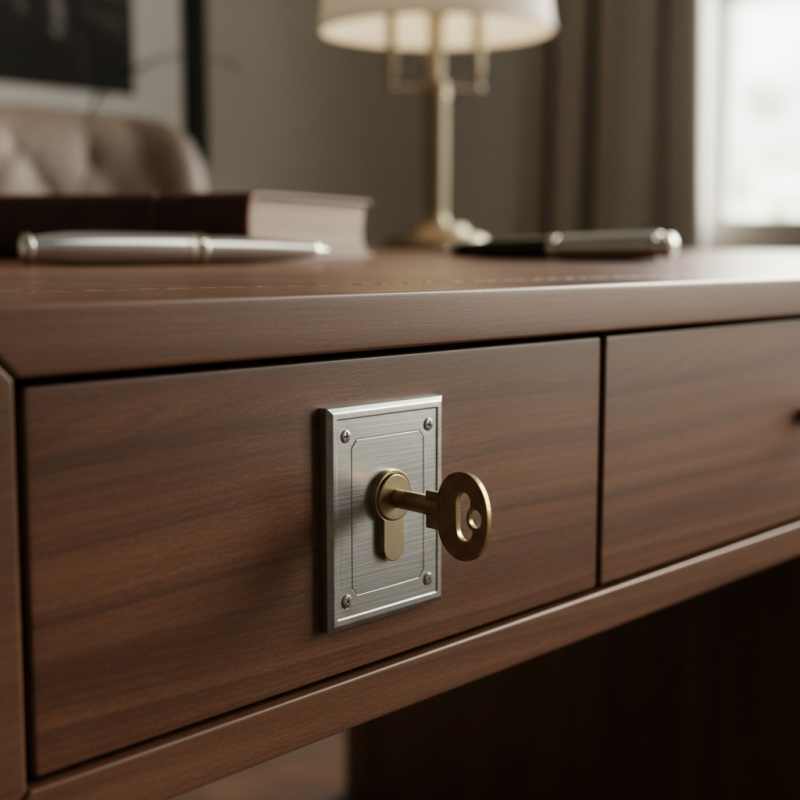
Choosing the right "Drawer Locks With Key" is crucial for security and convenience. According to security expert, John Smith, "The key to a good lock lies in its design and functionality." This highlights the importance of considering various aspects when selecting a drawer lock.
When evaluating drawer locks, look beyond just the price. Security features are paramount. A lock should not only keep your items safe but also withstand attempts of tampering. Some locks include anti-drill technology. Others offer various keying options for flexibility.
Moreover, the aesthetic appeal of a drawer lock matters. It should complement your furniture. If a lock looks cheap, it may raise doubts about its reliability. Striving for the perfect balance between style and security is essential. A thoughtful choice enhances your space while ensuring peace of mind.
Understanding Different Types of Drawer Locks With Keys
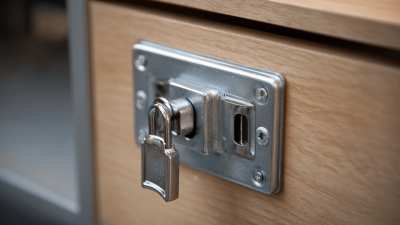
When selecting drawer locks with keys, it's crucial to understand the various types available. The most common types include cam locks, slide bolts, and combination locks. Cam locks are versatile and easy to install, often used in office furniture. Slide bolts offer added security by locking the drawer shut, while combination locks provide unique entry options. Each type has its pros and cons, depending on the level of security you need.
Consider your specific requirements. If you need quick access, a cam lock may be ideal. However, slide bolts can be more secure. For those who prefer not to carry keys, a combination lock could be a better choice. It's essential to evaluate how often you open the drawer and who will have access. Sometimes, the most secure option is not always the most user-friendly.
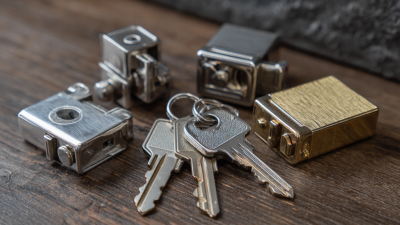
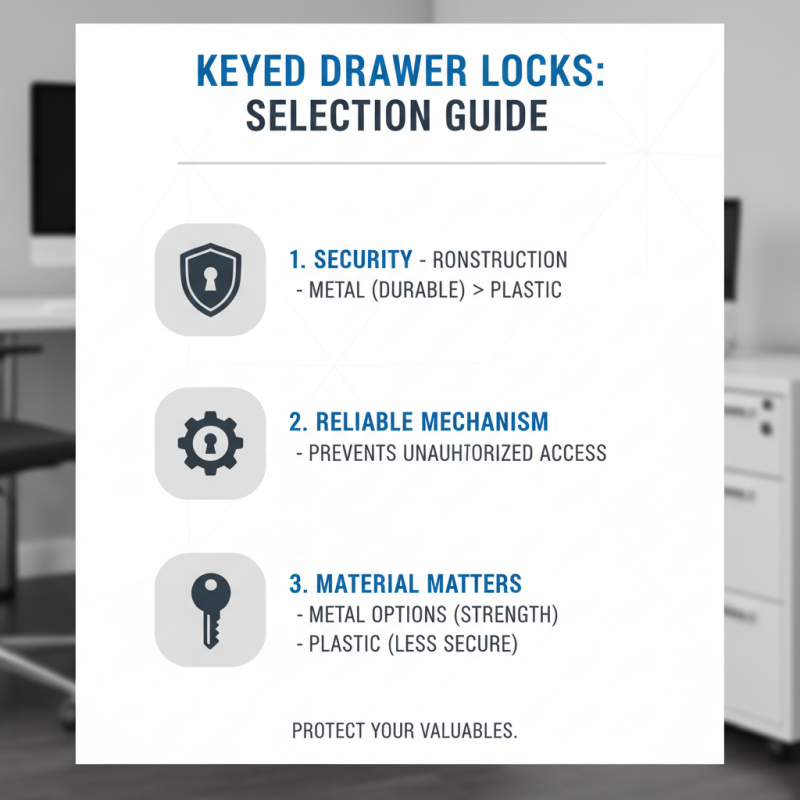
Take note of the materials used in the locks. Some are made of plastic, while others are stainless steel. Plastic may be less durable, while metal options tend to last longer. Also, pay attention to the installation process. If you're not handy, you might face challenges. Always double-check installation guides to avoid mistakes. Understanding these factors can help you make a more informed decision, enhancing both security and convenience.
Top Tips for Choosing Drawer Locks With Key
Assessing Your Security Needs for Drawer Locks
When assessing your security needs for drawer locks, the first step is identifying what you are protecting. Are they important documents or personal items? Understanding the value of your belongings helps determine the lock's required strength. A simple locking mechanism may suffice for less valuable items, but more secure options are necessary for high-value possessions.
Consider the environment where the drawer is located. Is it in a high-traffic area or hidden away? Locking mechanisms should match the potential threats commonly found in these environments. For example, if it’s in an office, locks with higher durability may be required. It’s also useful to reflect on potential access by unauthorized individuals.
Another aspect to evaluate is ease of use. A complex locking system may offer better security but can also create frustration during daily usage. Finding a balance is crucial to maintain both security and convenience. You might realize that the best lock isn't always the most complicated one. Assess your own habits; a lock should fit seamlessly into your life, enhancing security without becoming a burden.
Comparing Cost vs. Quality in Drawer Locks With Key Options
When choosing drawer locks with keys, cost and quality are crucial factors. Many options vary significantly in price. Cheaper locks may save money upfront but can lack durability and security. Investing a little more in high-quality locks can provide better protection against tampering.
Consider the materials used. More robust locks typically feature hardened steel or advanced polymers. These materials fend off unwanted access effectively. However, the shift to metal locks can lead to higher costs. Weighing the potential loss of valuable items against the cost of a quality lock is essential.
In the end, it's about balance. Sometimes, cheaper options appear appealing but may not hold up under regular use. You might find that regular replacements outweigh initial savings. Therefore, consider both short-term expenses and long-term reliability. An informed choice can enhance your security and reduce future costs.
Installation Tips for Keyed Drawer Locks in Your Furniture
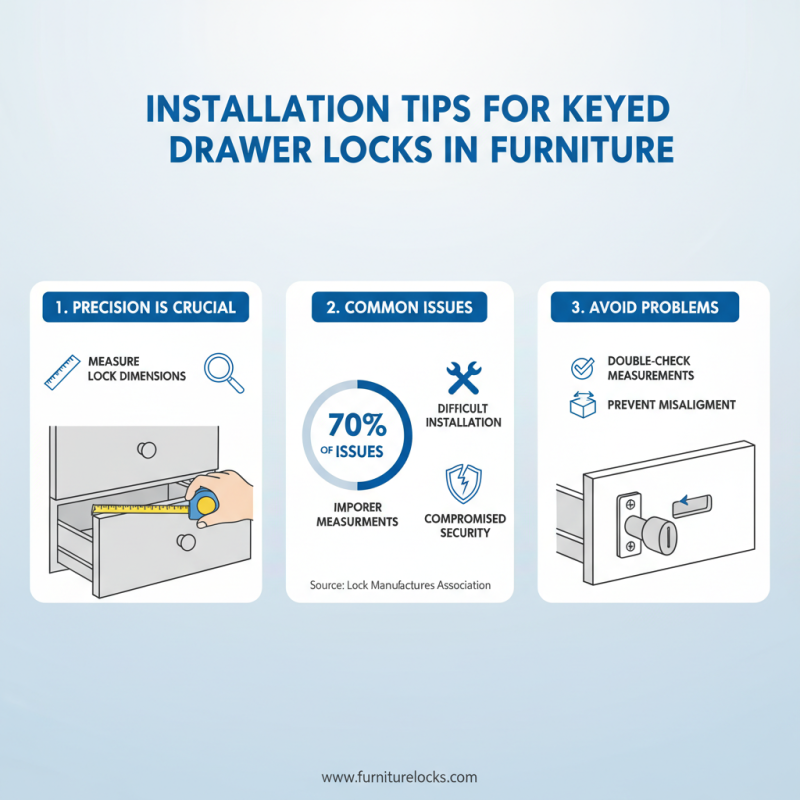
When installing keyed drawer locks, precision is crucial. Start by measuring the lock's dimensions accurately. According to a report by the Lock Manufacturers Association, approximately 70% of issues arise from improper measurements. Failure to measure correctly can lead to misalignment. This makes installation difficult and could compromise security.
Prepare the drawer by cleaning the surface. Remove any obstructions that might interfere with the lock. Ensure the drill bit size matches the lock specifications. A mismatch could cause the wood to splinter, which is hard to fix. Research indicates that nearly 30% of DIY lock installations result in damage to furniture due to improper drilling techniques.
Consider the orientation of the lock. Depending on how you open drawers, the lock should accommodate your usage. If it feels awkward, it might not be the right fit. Additionally, securing the lock with screws is essential. Neglecting this step can lead to looseness over time. Regular checks are advisable; over 25% of homeowners overlook lock maintenance, increasing vulnerability.