What is Zinc Alloy Drawer Lock and How Does it Work?
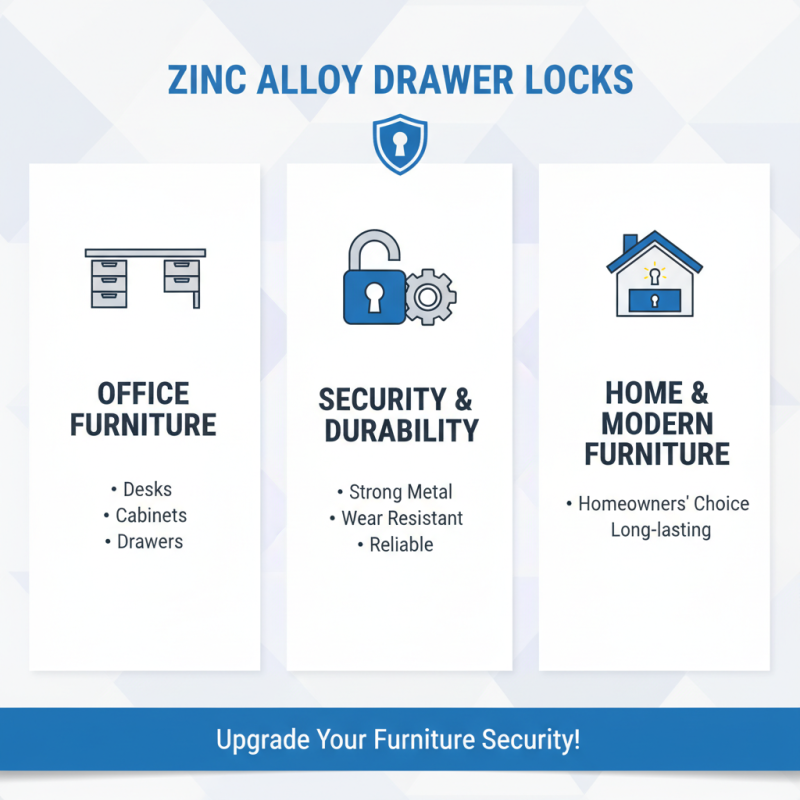
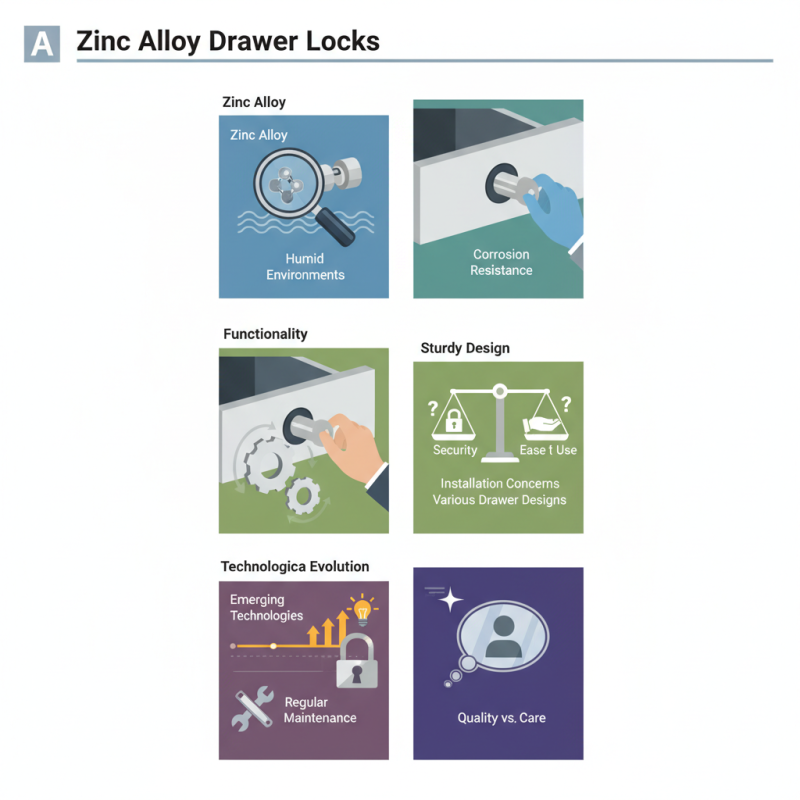
In the world of furniture security, "Zinc Alloy Drawer Lock" stands out as a key player. Dr. Emily Carter, a leading expert in locking mechanisms, emphasizes, "The durability of zinc alloy enhances the lock's effectiveness." Zinc alloy is a mixture that provides strength and resistance to corrosion. This feature makes it ideal for drawer locks, especially in humid environments.
Every drawer lock needs to function effortlessly. The Zinc Alloy Drawer Lock offers a reliable solution. Many users appreciate its sturdy design. However, there are concerns about installation and compatibility with various drawer designs. Sometimes, locks can be challenging to fit correctly. The balance between security and ease of use can be tricky.
As the industry evolves, so does the technology behind these locks. Innovations continue to emerge. Yet, it’s essential to remember that even high-quality locks like zinc alloy may require regular maintenance. Users often overlook this aspect. Perhaps it's time to reflect on the balance between quality and care in our security choices.
Definition of Zinc Alloy Drawer Lock and Its Components
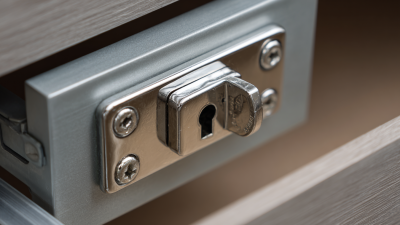
A zinc alloy drawer lock is a sturdy locking mechanism often used in cabinets and drawers. Made primarily from a mix of zinc and aluminum, this lock is highly resistant to corrosion. The benefits of using zinc alloy include durability and a reliable performance over time. However, improper installation can lead to malfunction.
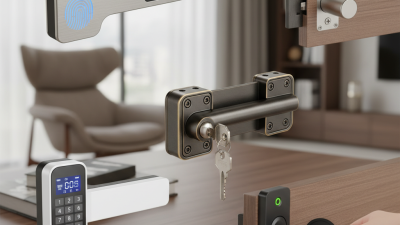
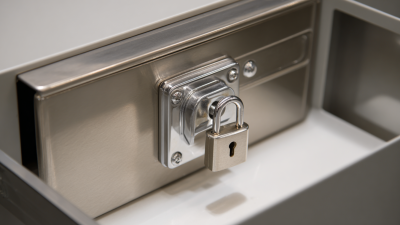
The components of a zinc alloy drawer lock include the body, the key, and the latch. The body houses the locking mechanism, while the key operates the lock. The latch holds the drawer closed when engaged. Most designs offer a simple yet effective approach to security. However, if the latch does not align properly, it can cause difficulties when locking or unlocking.
One common concern is the wear and tear on the keyhole. Over time, dust and grime accumulate within, affecting the lock's functionality. Regular maintenance is crucial to ensuring smooth operation. While zinc alloy locks are strong, they are not infallible. Users may find some locks more challenging than others to operate. This inconsistency often requires careful attention and, at times, a proactive approach to ensure ease of use.
Mechanism of Operation for Zinc Alloy Drawer Locks
Zinc alloy drawer locks are popular due to their durability and affordability. These locks operate using a simple yet effective mechanism. When you insert a key into the lock, it lifts pins inside. This motion aligns them with the shear line, allowing the bolt to retract.
The bolt, usually spring-loaded, secures the drawer when locked. When the correct key is used, the locking mechanism smoothly disengages. These locks are found in various applications, from furniture to cabinets. Their robust design ensures longevity, but they can be prone to wear over time.
Tips for maintaining your zinc alloy drawer lock include regularly lubricating the mechanism. A spray lubricant can help the parts function smoothly. Be cautious not to over-apply, as excess lubricant can attract dirt and grime. Additionally, inspect the lock for signs of rust. If noticed, a gentle cleaning can extend its lifespan, but replace it if wear is too significant.
What is Zinc Alloy Drawer Lock and How Does it Work? - Mechanism of Operation for Zinc Alloy Drawer Locks
| Feature |
Description |
| Material |
Zinc Alloy |
| Durability |
Highly resistant to corrosion and wear |
| Locking Mechanism |
Pin tumbler system |
| Application |
Used in drawers, cabinets, and furniture |
| Security Level |
Moderate to high, depending on design |
| Installation Type |
Surface mount or mortise fit |
| Key Type |
Standard or customized key options |
| Cost |
Affordable compared to other lock materials |
Advantages of Using Zinc Alloy in Drawer Locks
Zinc alloy drawer locks are gaining popularity due to their numerous advantages. One key benefit is durability. Zinc alloys are known for their corrosion resistance, which makes them ideal for various environments. In fact, industry data shows that zinc alloy components can last significantly longer than traditional materials.
Another advantage is the ease of manufacturing. Zinc alloys can be molded into complex shapes with high precision. This capability allows for intricate designs that enhance security features. Furthermore, they provide a smooth finish, which adds aesthetic appeal to drawers and cabinets. According to reports, using zinc alloy can reduce production costs by up to 30% compared to other metals.
However, while zinc alloys have many benefits, there are some drawbacks to consider. Their strength can be lower than that of steel, which may affect security. If a lock is pushed hard enough, it could bend or break. Additionally, while zinc alloys resist rust, they may still suffer from wear over time. Continuous exposure to moisture can diminish their effectiveness. So, it is crucial to evaluate the usage environment when choosing zinc alloy drawer locks.
Zinc Alloy Drawer Lock Strength Comparison
This chart compares the performance characteristics of zinc alloy drawer locks across various metrics such as strength, durability, resistance to corrosion, weight, and cost-effectiveness. The data indicates that zinc alloy locks excel in strength and durability, making them a preferred choice for longevity and reliable security solutions.
Installation and Maintenance Tips for Zinc Alloy Drawer Locks
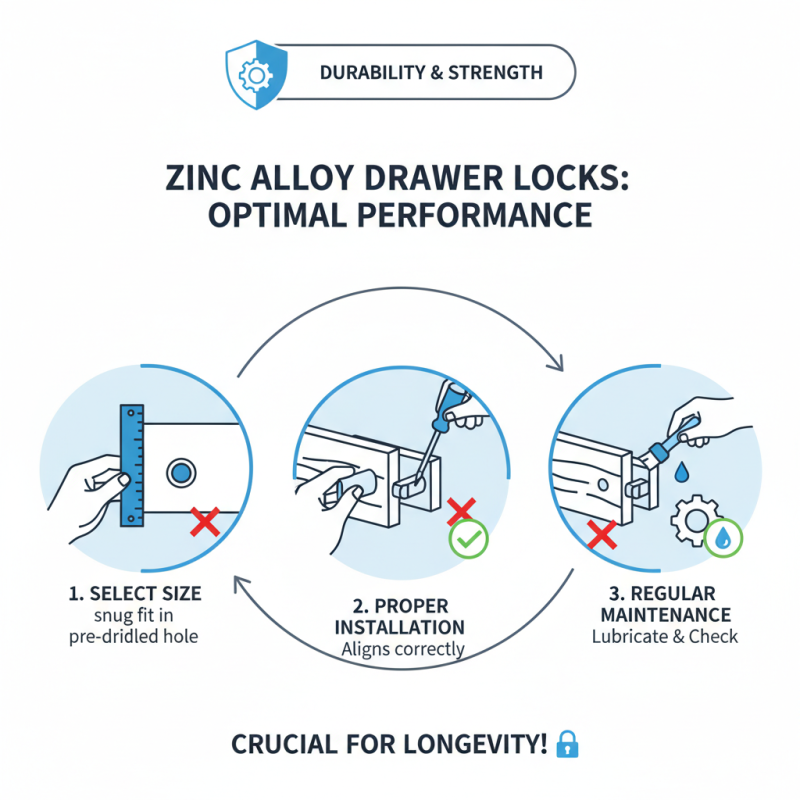
Zinc alloy drawer locks are popular for their durability and strength. However, proper installation and maintenance are crucial for optimal performance. Begin by selecting the right size lock for your drawer. Ensure the lock fits snugly in the pre-drilled hole. If it’s too loose, it may cause misalignment issues down the line.
When it comes to installation, don’t rush. Take time to line everything up correctly. Use the provided screws for a secure fit. Check that the lock operates smoothly after installation. It’s essential to test the locking mechanism several times to ensure reliability. If it sticks, retighten screws or adjust the fit.
Maintenance involves simple steps. Regularly clean the lock to remove dust and debris. Lubricate the mechanism every few months to prevent rust. If you notice wear, replace the lock before it fails. Taking these precautions can extend the life of your zinc alloy drawer lock. Don’t ignore signs of trouble, as they often indicate underlying issues. Each step you take matters.