Signature Products, Unmatched Quality


  • yx
  • yx
  • whatsapp
  • Twitter
  • Facebook
Leave Your Message

Top 10 Drawer Locks With Keys for Global Buyers

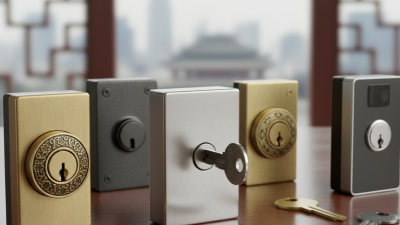
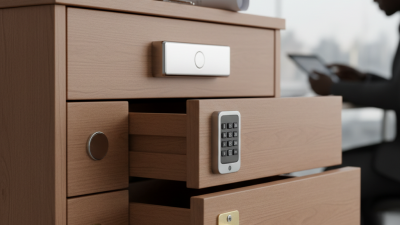
Choosing the right Drawer Locks With Key can protect documents, tools, medicines, and personal belongings in homes, offices, hotels, and retail spaces. Global buyers often compare security, installation, materials, key control, and long-term reliability before placing an order. A compact cam lock may suit a bedside drawer, while a heavy-duty tubular lock may better serve metal cabinets or commercial storage units. Small details matter, including cylinder depth, mounting-hole size, key rotation, and whether replacement keys are available.

This guide reviews ten drawer locks with keys for different applications and purchasing priorities. Each option is considered through practical factors such as steel construction, corrosion resistance, operating smoothness, packaging quality, and supplier communication. Product descriptions can look impressive, but real performance depends on installation accuracy and daily use. That deserves attention. A lock that feels strong in a sample may disappoint if its cam does not align properly. Buyers should also confirm dimensions, key quantities, finish requirements, and shipping documentation before ordering internationally.

No lock fits every drawer.

Our evaluation aims to support informed decisions rather than promise absolute protection. Independent testing, clear specifications, and credible supplier feedback remain important. Some products may offer better value, while others provide stronger materials or more convenient key management. Readers should assess local installation conditions and applicable product requirements before purchase. With careful comparison, buyers can select a Drawer Locks With Key solution that balances security, usability, appearance, and budget without overlooking practical limitations.
Top 10 Drawer Locks With Keys for Global Buyers

Drawer Lock Basics: Types, Mechanisms, and Key Systems

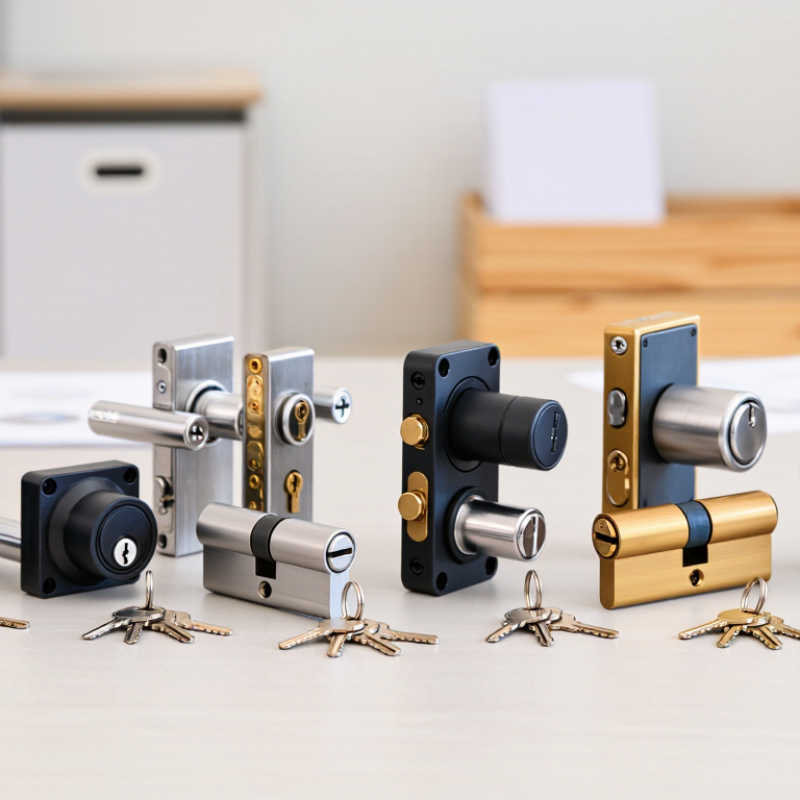
Drawer locks with keys usually rely on a simple cam mechanism. When the key turns, the cam rotates behind the drawer frame and blocks movement. This design is compact and easy to service. Some models use a spring latch, while others use a deadbolt for stronger resistance. Cam locks suit office pedestals, cabinets, tool drawers, and storage units.

Key systems change how a lock works in daily use. Keyed-different locks give each drawer its own key. They improve separation between users. Keyed-alike systems let one key open several matching locks. This can simplify maintenance across a workplace. Master-key arrangements offer controlled access, but they require careful key management. A lost master key can create a serious security weakness.

Small details matter. Measure the cylinder length, mounting hole, drawer thickness, and cam offset before buying. Check whether the key turns 90 or 180 degrees. A cam that is too short may not grip the frame securely. A cam that is too long can hit internal parts. Test the lock with the drawer fully loaded. It should turn smoothly without forcing the key. No lock is perfect. A stronger mechanism may feel less convenient, and a smooth key action does not prove high security. I would also inspect the finish, mounting nut, and spare-key quality rather than trusting product photos alone.
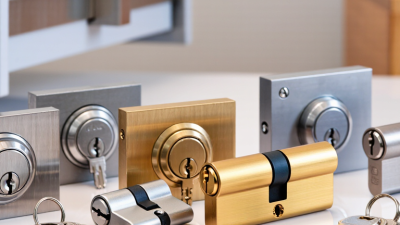
How to Evaluate Drawer Locks for Different Furniture and Uses

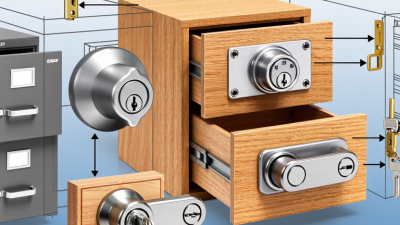
When comparing ten drawer locks with keys, match the lock to the furniture before judging its appearance. A compact cam lock suits bedside tables and light wooden drawers. Heavy steel drawers need a longer cam and stronger housing. Measure the panel thickness, back clearance, and cam rotation space. A lock that fits poorly becomes frustrating.

In cabinet fitting work, I check the key movement, cylinder alignment, and mounting nut. The key should turn smoothly without forcing the drawer front. For office pedestals, consider a lock that controls several drawers through one mechanism. Retail counters may need thicker metal, concealed fixing, and frequent-use durability. Kitchen furniture requires extra attention to moisture and cleaning chemicals. Stainless or plated components usually perform better in damp rooms, but coating quality varies.

Small details matter. Very much. A short cam may not grip the rear rail securely. A long cam can strike internal dividers. I once selected a lock by finish alone, then found the key could not turn after installation. That mistake changed my inspection routine. Test the lock with the drawer loaded, not empty. Check spare-key handling and whether the key remains removable when locked. For children’s furniture, avoid sharp projections and confirm the lock does not create a pinch hazard. The best choice balances security, daily convenience, installation space, and the drawer’s real working conditions.

Top 10 Drawer Locks With Keys Compared by Security and Installation

Comparing ten drawer locks with keys requires more than checking appearance. Security depends on cylinder design, metal thickness, key control, and resistance to forced turning. A basic wafer lock suits a home desk, but it offers limited protection against picking and drilling. Pin-tumbler models usually provide stronger resistance, especially when paired with hardened steel cams. Tubular designs can be practical, though their real performance varies by construction quality. No lock is perfect.

Installation also separates these ten options. Surface-mounted locks need only screws and a careful alignment check. Mortise locks look cleaner, but they require accurate drilling through the drawer front. Measure the panel thickness first. A cylinder that is too short may not engage the cam; one that is too long can weaken the fitting. For metal drawers, confirm the lock includes suitable nuts or mounting plates. Wood drawers may need a backing washer to prevent splitting.

In practical testing, the best balance came from locks with enclosed cylinders, firm cams, and clear key operation. Some models felt secure but required excessive force during installation. That is a warning sign, not a benefit. I once ignored a small measurement error, and the key scraped the escutcheon every time. Check the cam rotation, drawer clearance, and screw tightness before regular use. A quiet, smooth turn matters.

Global Buyer Guide: Materials, Sizes, Standards, and Compatibility

Choosing among the top 10 drawer locks with keys requires more than comparing prices. Global buyers should examine materials, dimensions, standards, and compatibility before ordering. Zinc alloy suits indoor furniture and offers balanced cost and strength. Stainless steel performs better in humid rooms, workshops, and coastal environments. Brass provides smooth operation, but it may cost more.

Measure the drawer panel thickness, lock body diameter, mounting-hole size, and cam length. A lock that looks suitable can still fail when the cam cannot reach the cabinet frame. Key systems also matter. Keyed-alike sets simplify office storage, while keyed-different locks improve separation between users. Check whether spare keys, replacement cylinders, and installation tools are available in the destination market.

Tips: Request a technical drawing before purchase. Confirm the finish, rotation direction, key removal position, and package contents. Ask for material details, tolerance information, and sample testing when ordering in volume. Standards differ across regions, so do not assume a familiar size will fit every drawer. I have seen small measurement errors delay entire furniture shipments. That lesson is easy to overlook. A short compatibility test can prevent costly rework and customer complaints. Look for corrosion testing or cycle-test data when suppliers provide it. Certification claims should be verified through clear documents, not attractive product descriptions.

Top 10 Drawer Locks With Keys for Global Buyers - Global Buyer Guide: Materials, Sizes, Standards, and Compatibility

No. Drawer Lock Type Typical Body Material Typical Finish Common Cylinder / Body Size Key Configuration Recommended Drawer Material Installation Method Standards and Test References Compatibility Notes Typical Applications
1 Cam Lock with Two Keys Zinc alloy body; steel cam Nickel-plated or chrome-plated Commonly 16–22 mm diameter body; 18–25 mm panel thickness range Removable or fixed key; usually supplied with two keys Steel, aluminum, wood, and laminate panels Front-mounted through-hole; secured with nut or clip EN 1303 reference for cylinder performanceRoHS material compliance commonly specified Requires a cam length and rotation angle matched to the drawer frame; check rear clearance before ordering Office pedestals, cabinets, tool drawers, mailboxes
2 Tubular-Key Cam Lock Zinc alloy or brass body; steel cam Satin nickel, bright chrome, or black finish Usually 16–22 mm body diameter; several barrel lengths available Tubular key profile; commonly two keys per lock Metal and engineered-wood drawer fronts Through-hole mounting with retaining nut RoHSREACH commonly requested for EU supply More resistant to basic picking than a simple wafer lock, but key blank availability should be confirmed for replacement needs Retail fixtures, cash drawers, storage cabinets
3 Flat-Key Wafer Lock Brass or zinc alloy cylinder; steel cam Nickel-plated, chrome-plated, or antique finish Common body diameter 16–19 mm; typical panel thickness up to 20 mm Flat reversible or non-reversible key; normally two keys Wood, MDF, particleboard, and thin metal drawers Drilled-hole installation with nut or spring clip General furniture-hardware specificationsRoHS commonly specified Suitable for low-to-medium security; confirm key rotation, cam offset, and locking direction Furniture drawers, display cabinets, small storage units
4 Push-Lock with Key Release Zinc alloy or brass body; steel locking bolt Chrome-plated or satin nickel Typical body diameter 16–22 mm; bolt travel commonly 8–15 mm Key-operated release; key may be removable only in the locked position Wood and metal drawer systems Front-panel mounting; push button engages the bolt RoHSREACH commonly requested Useful where the handle must remain flush; verify the strike-hole position and required bolt projection Office furniture, compact cabinets, instrument cases
5 Sliding Bolt Drawer Lock Die-cast zinc alloy or stamped steel Powder-coated, zinc-plated, or painted Typical lock body length 35–60 mm; bolt travel about 8–20 mm Flat key or tubular key depending on cylinder design Steel and aluminum drawer cabinets Surface-mounted with screws or rivets EN 1670 reference for corrosion resistance where applicableRoHS Works well when there is insufficient room for a rear cam; mounting-screw spacing must match the cabinet panel Industrial cabinets, tool chests, metal storage drawers
6 Hook Cam Lock Zinc alloy body; hardened or stamped steel hook cam Nickel-plated, chrome-plated, or black zinc finish Common body diameter 19–22 mm; hook depth selected by cabinet design Flat key; usually supplied with two keys Metal drawers and framed cabinet doors Through-hole mounting with retaining nut RoHSBasic corrosion testing commonly specified The hooked cam engages behind a keeper or frame; confirm hook orientation, depth, and clockwise/counterclockwise operation Steel filing cabinets, electrical enclosures, service compartments
7 Master-Key-Compatible Cam Lock Brass or zinc alloy cylinder; steel cam Nickel-plated or chrome-plated Typical body diameter 16–22 mm; multiple barrel lengths available Individual keys plus an authorized master-key system Commercial furniture, metal cabinets, and institutional drawers Through-hole installation with nut or clip EN 1303 may be used for cylinder classificationRoHS Key hierarchy must be designed and controlled by the lock supplier; confirm that the lock series supports the required key system Schools, offices, hotels, hospitals, multi-user storage
8 High-Security Disc-Detainer Cabinet Lock Brass or hardened zinc alloy body; steel or stainless-steel components Nickel-plated, chrome-plated, or protective black finish Often 19–22 mm body diameter; exact dimensions depend on the cylinder design Restricted or dimple-style key profile; normally two keys Heavy-gauge steel drawers and security cabinets Front-mounted through-hole; cam or bolt at the rear EN 1303 referenceEN 1670 reference for corrosion resistance Provides greater resistance to unauthorized key duplication when a controlled key profile is used; confirm local availability of replacement keys Archive cabinets, secure storage, commercial equipment
9 Stainless-Steel Marine Drawer Lock Stainless steel, commonly grade 304; 316 may be specified for harsher marine exposure Brushed, polished, or passivated stainless steel Typical body diameter 16–22 mm; panel thickness commonly 1–12 mm Flat key or tubular key; two keys are common Stainless steel, aluminum, and composite panels Through-hole mounting with stainless retaining hardware EN 1670 corrosion-resistance referenceRoHS Choose stainless hardware for coastal or humid environments; prevent galvanic corrosion when mounting to dissimilar metals Marine drawers, outdoor equipment, food-service cabinets
10 Compression Drawer Lock Zinc alloy or stainless steel body; steel or stainless cam Black powder coat, chrome, nickel, or stainless finish Common body diameter 19–22 mm; compression travel typically 3–6 mm Key-operated quarter-turn lock; often supplied with two keys Metal, fiberglass, and weather-resistant composite panels Through-hole mounting; cam compresses against a keeper or gasket EN 1670 referenceIP rating may be specified for the complete enclosure, not the lock alone Useful where vibration, dust, or moisture resistance is required; verify gasket compression, panel thickness, and keeper alignment Outdoor cabinets, transport equipment, machinery enclosures
Buyer note: Dimensions and security levels are typical industry ranges rather than universal specifications. Before purchase, confirm panel thickness, mounting-hole diameter, rear clearance, cam or bolt geometry, key system, rotation direction, corrosion requirements, and applicable destination-market compliance documentation.

Buying Checklist: Pricing, Packaging, Shipping, and After-Sales Support

For global buyers, a drawer lock’s unit price is only the starting point. Request a quotation for the lock, two keys, screws, individual packaging, inspection, and documentation. The World Bank’s Logistics Performance Index 2023 reports an average 44-day journey from export readiness to destination availability. Therefore, compare landed cost, not factory price alone. Ask whether prices include tooling, sampling, currency adjustments, and replacement units. A low quote can hide expensive small details.

Packaging deserves practical testing. Each lock should sit in a corrosion-resistant bag, with keys separated from the cylinder. Strong cartons, edge protection, and readable carton marks reduce sorting errors. The United Nations Environment Programme reports that global municipal solid waste could reach 3.8 billion tonnes by 2050. Avoid oversized boxes and unnecessary plastic, but do not remove protection too quickly. That trade-off is easy to underestimate. Request drop-test photos or an ISTA-based packing report for larger shipments.

Shipping terms should state the named place, insurance responsibility, estimated transit time, and customs documents. UNCTAD reports that maritime transport carries over 80% of world merchandise trade by volume, so port congestion can affect even small hardware orders. After-sales support should define response time, spare-key availability, defect evidence, and replacement procedures. A 12-month warranty sounds useful, yet vague exclusions weaken it. In my experience, a simple defect log and batch number help more than attractive promises. One point still needs review: forecast shipping costs before approving the final purchase order.