Essential Tips for Choosing the Best Stainless Steel Drawer Lock for Your Needs
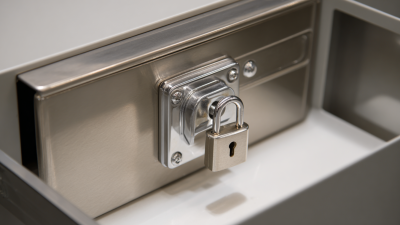
When it comes to securing your valuable belongings, choosing the right locking mechanism is essential. One such mechanism that offers both durability and aesthetic appeal is the Stainless Steel Drawer Lock. These locks are designed to provide a high level of security while also being resistant to corrosion, making them ideal for a variety of settings—from homes to offices and even outdoor environments. However, selecting the best stainless steel drawer lock for your specific needs requires careful consideration of various factors.
In this guide, we will explore important tips to help you make an informed decision when choosing a stainless steel drawer lock. From understanding the different types of locks available, to evaluating their security features and ease of installation, we will cover the essential aspects that ensure you select a lock that meets your requirements. The right choice can enhance your overall safety and peace of mind, allowing you to store your items securely without the worry of tampering or theft. Whether you're upgrading your existing locks or outfitting new furniture, this information is crucial for ensuring you invest in a reliable and effective stainless steel drawer lock.
Understanding the Importance of Stainless Steel Drawer Locks
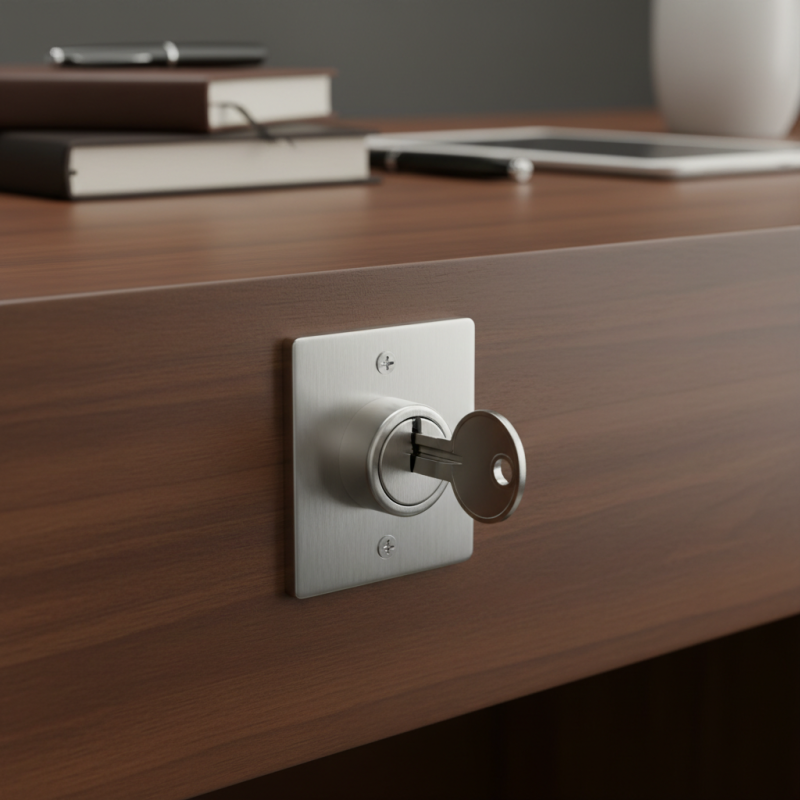
Stainless steel drawer locks play a crucial role in ensuring security and functionality in various applications, from residential to commercial settings. According to industry reports, the demand for stainless steel locks has surged by over 15% in recent years, largely attributed to their durability and resistance to corrosion. This is particularly important in environments where moisture or extreme temperatures are prevalent, as traditional locks may degrade over time. Utilizing stainless steel in lock manufacturing not only enhances the lifespan of the product but also provides an added layer of security, safeguarding valuable items stored within drawers.
Moreover, stainless steel drawer locks are an integral part of safety protocols in workplaces and homes. The National Institute of Standards and Technology highlights that effective locking mechanisms can significantly reduce the risk of unauthorized access and theft. In fact, facilities with robust locking systems report approximately 30% fewer incidents of theft compared to those with inferior locking solutions. Selecting the right stainless steel drawer lock, therefore, is not just about convenience; it's a proactive measure in creating a safe environment, ensuring that your belongings are protected against potential threats.
Types of Stainless Steel Drawer Locks and Their Applications
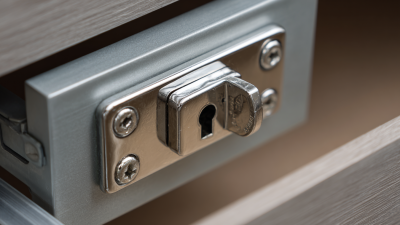
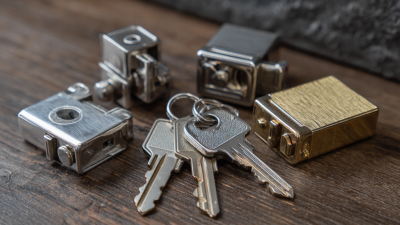
When selecting a stainless steel drawer lock, understanding the various types available and their specific applications is essential. One common type is the cam lock, often found in office furniture, cabinets, and tool drawers. These locks are designed for easy installation and provide a moderate level of security, making them ideal for environments where access needs to be controlled but not overly restricted.
Another prevalent option is the deadbolt lock, known for its robust security features. Deadbolt locks are typically utilized in higher-stakes environments, such as filing cabinets containing confidential information or safes that protect valuable items. Their design requires a key or combination for access, ensuring that only authorized personnel can open the drawer.
Additionally, sliding locks are another variation, commonly employed in furniture design and cabinetry. These locks operate by securing the drawer with a simple latch mechanism that can be easily engaged or disengaged. Although they may not offer the same security level as cam or deadbolt locks, sliding locks are perfect for applications where convenience and ease of use are primary considerations. Each type of stainless steel drawer lock serves its purpose, and understanding your needs will help you choose the right one for your specific context.
Key Features to Consider When Selecting a Drawer Lock
When selecting a stainless steel drawer lock, there are several key features to consider that can greatly influence its effectiveness and longevity.
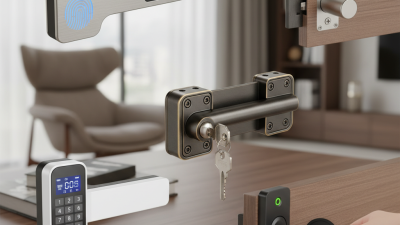
First, the type of locking mechanism is crucial; options include cam locks, paddle locks, and electronic locks. Each mechanism offers different levels of security and convenience, so choose one that aligns with your specific needs, whether it's for home use, office storage, or more secure environments.
Another important feature to evaluate is the material quality and finish of the lock. Stainless steel is known for its corrosion resistance, but the grade of steel used can impact its durability. Higher-grade stainless steel can withstand tougher conditions and resist wear and tear over time.
Additionally, look for locks with a robust design that includes features like drill resistance or a weatherproof finish if the lock will be exposed to outdoor elements.
Lastly, consider ease of installation and compatibility with your existing drawer setup to ensure a seamless fit.
Installation Tips for Stainless Steel Drawer Locks
When installing a stainless steel drawer lock, it's essential to follow a series of systematic steps to ensure proper functionality and security.
Start by selecting the right location for the lock on your drawer; ideally, it should be positioned where it can be easily accessed yet provides sufficient security.
Use a pencil to mark the placement of the lock, ensuring it aligns well with the locking mechanism of the drawer.
Once you have your marked points, use a drill to create holes for the lock's hardware, taking care to choose the right drill bit size based on the specifications of the lock.
After drilling, insert the lock and secure it in place. It’s crucial to ensure that the lock operates smoothly;
test it multiple times before finalizing the installation.
Additionally, be attentive to how the lock aligns with the drawer’s body to avoid any misalignment that could affect its performance over time.
Lastly, for enhanced security and durability, consider applying a small amount of lubricant to the lock mechanism after installation.
Regular maintenance and checks should also be conducted to ensure the lock remains in good working condition, particularly if the drawer is used frequently.
By paying close attention to these installation tips, you can optimize the safety and functionality of your stainless steel drawer locks.
Maintaining and Ensuring Longevity of Your Drawer Lock
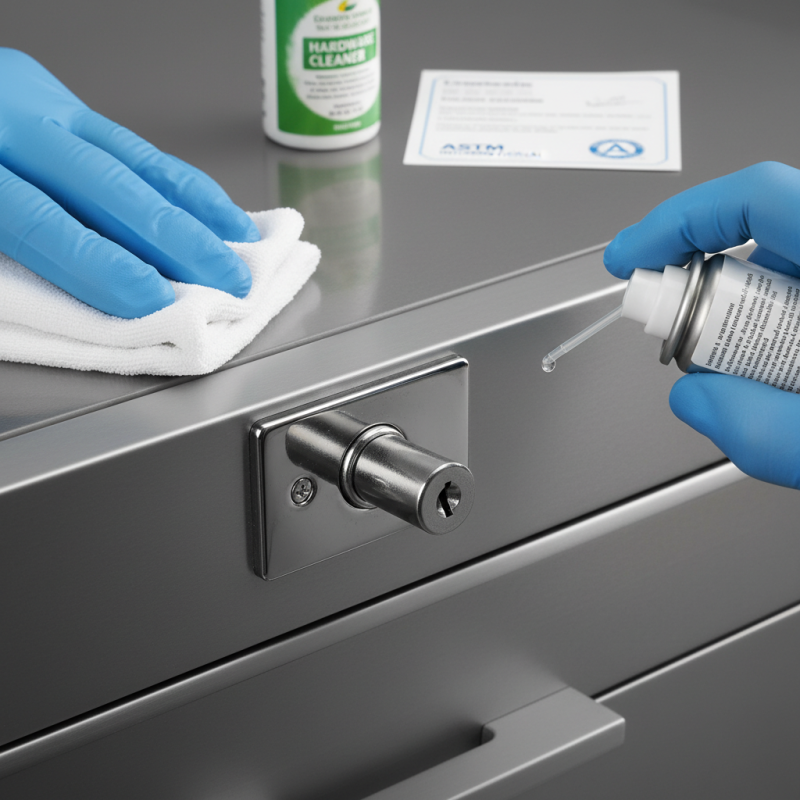
Maintaining your stainless steel drawer lock is essential not only for security but also for ensuring its longevity. According to the American Society for Testing and Materials (ASTM), proper maintenance can extend the life of hardware components by up to 30%. Regularly cleaning the lock with a soft cloth and a mild detergent solution helps prevent the build-up of dirt and grime, which can lead to corrosion over time. Additionally, using a silicone-based lubricant on the locking mechanism every six months can reduce friction, ensuring smooth operation and preventing wear and tear.
Environmental factors also play a significant role in the durability of your drawer lock. Research from the International Locking Systems Study Group indicates that locks exposed to high humidity or salt air can experience accelerated deterioration. Therefore, in coastal or damp areas, consider using a sealant specifically designed for metal products to provide an extra layer of protection against moisture. Ensuring that the lock is properly installed and regularly inspected for signs of wear can further enhance its lifespan and functionality, making it a vital aspect of your overall security strategy.