Top 10 Tips for Choosing the Best Heavy Duty Drawer Lock?
When it comes to securing your valuables, choosing the right Heavy Duty Drawer Lock is essential. These locks must withstand force and provide reliable protection. However, not every lock offers the same level of security. Each has its features and flaws, which can be confusing.
Consider the materials used in the construction. A sturdy metal lock can deter break-ins better than a plastic one. The mechanism's complexity matters too. Some locks are simple and easy to pick, while others provide advanced security features. A balance between ease of use and security is crucial.
Many people rush into buying the first lock they see. It’s important to reflect on your specific needs. Do you require a more robust solution for high-risk areas? Or is a simple lock sufficient for light use? Carefully evaluating these factors will lead you to a more suitable Heavy Duty Drawer Lock. Take the time to think about your security needs before making a decision.
Understanding Heavy Duty Drawer Locks: Key Features to Consider
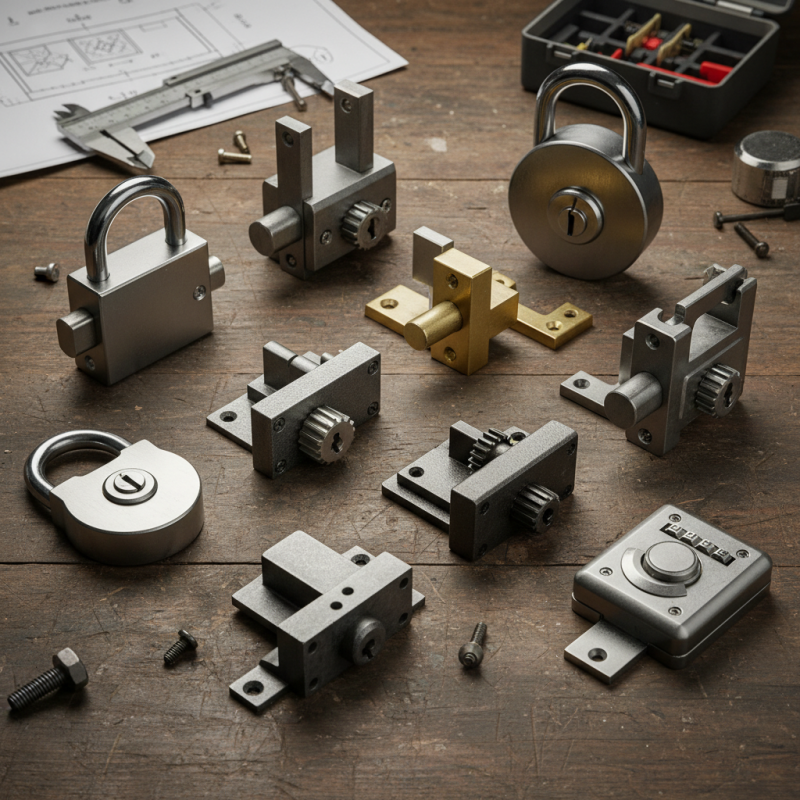
When selecting a heavy duty drawer lock, several key features come into play. Look for materials that are sturdy and durable. Steel is often a reliable choice. It offers strength against tampering and wear. The locking mechanism should be easy to operate but difficult to pick. This balance is crucial for both convenience and security.
Consider the size of the drawer and gauge the lock's compatibility. A lock that fits well is essential for effective operation. Some owners may overlook this aspect. Too tight, and the lock could jam. Too loose, and it may not secure properly.
One important tip is to test the lock before installation. This helps in identifying potential issues. Pay attention to how smoothly the mechanism operates. A lock that feels rough may need further inspection. Feedback from others can be invaluable. Listening to their experiences offers practical insights you might not have considered.
Top 10 Tips for Choosing the Best Heavy Duty Drawer Lock
Evaluating Material Durability for Heavy Duty Drawer Locks
When selecting heavy-duty drawer locks, assessing material durability is crucial. Drawer locks are often subject to wear and tear. They endure frequent use and need to maintain functionality. Materials can significantly influence their life span. Steel, for instance, is commonly recommended for its strength. According to a market report, steel can offer resistance against physical attacks, thus prolonging the lock's lifespan.
Tip: Look for locks made from hardened steel. This material resists cutting and prying. You should also check for corrosion resistance. A lock that rusts can fail over time, compromising security.
Another key material is
brass. It may not be as strong as steel, but it has its advantages. Brass offers excellent
corrosion resistance. A report notes that brass locks can last longer in humid environments. However, you must be cautious. They might be vulnerable to rapid wear under constant stress.
Tip: Don't overlook the locking mechanism. A durable mechanism, made with high-quality materials, can make all the difference. Sometimes, a lock can look robust but fail internally. So ensure to inspect the whole unit, not just the external appearance.
Assessing Security Levels: How to Choose the Right Lock Type
When choosing a heavy-duty drawer lock, assessing security levels is crucial. Various lock types offer different protection levels. A basic latch may suffice for light use. However, for high-security needs, consider deadbolts or electronic locks. These options provide enhanced resistance against unauthorized access.
Different environments require different security approaches. For instance, a garage might need stronger locks than a home office. An outdoor storage area could benefit from weather-resistant features. Sometimes, the best choice is not the most expensive one. Evaluate your specific needs carefully. Don't just opt for trends; functionality matters.
Material quality is important. Strong metals often offer better security than plastic options. Examine the locking mechanism for durability. Simple designs can be easier to pick, while more complex systems provide added safety. Consider your installation process too. A poorly installed lock can undermine its efficiency.
Always reflect on your priorities before making a final decision.
Compatibility with Drawer Design: Ensuring a Proper Fit
When choosing a heavy-duty drawer lock, compatibility with your drawer design is crucial. A lock that doesn’t fit well can lead to security issues. Measure your drawer accurately. Measure both the thickness and depth. A lock that fits snugly will function correctly and enhance security.
Consider the drawer's material too. Wooden drawers may require different locks compared to metal ones. The mechanism must align perfectly with how the drawer opens. Even slight misalignment could lead to a malfunction. It's not uncommon to overlook these details during selection. A lock that seems perfect may end up being unsuitable.
Connecting with the design of the drawer can lead to potential challenges. Aesthetic and functional considerations should match. Locks may come in various styles; some are bulkier than others. Reflect on whether the design fits seamlessly. A poorly designed lock can detract from the overall appearance of your furniture. Being mindful of these details can prevent future frustrations.
Installation Process and Maintenance Tips for Long-lasting Use
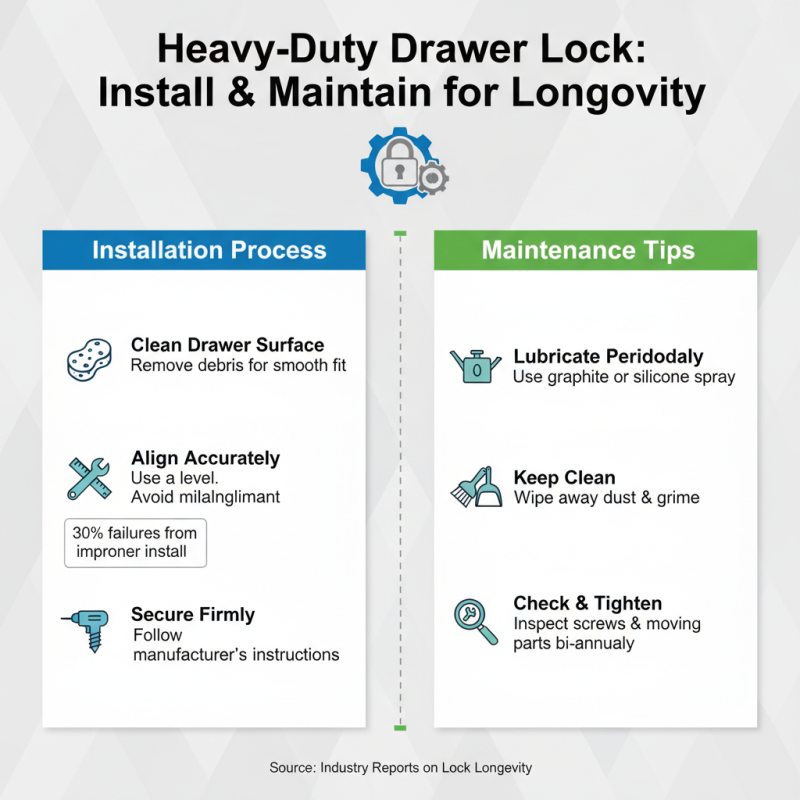
When installing a heavy-duty drawer lock, attention to detail is crucial. Begin by ensuring your drawer is clean and free from debris. A smooth surface allows for a better fit. According to industry reports, 30% of lock failures result from improper installation. Use a level to align the lock accurately. Misalignment can lead to operational issues over time.
Once installed, maintenance is key to longevity. Regularly check for dust accumulation around the lock and in the drawer. Clean it gently with compressed air or a soft brush. Avoid using liquids, as they can damage internal mechanisms. Many users overlook rust prevention, yet it plays a significant role. A simple wax or silicone spray can create a protective barrier. Statistics indicate that regular maintenance can extend the lifespan of locks by up to 50%.
Consider checking the lock's functionality every few months. Sometimes, it might feel stiff or unresponsive. If so, it may be time to re-evaluate your installation. Addressing minor issues sooner can prevent complete failure later. Not all locks fit perfectly, and various factors can affect performance. Be willing to adapt your techniques for the best results.