What is a Stainless Steel Drawer Lock and How Does It Work?
In the world of security hardware, the "Stainless Steel Drawer Lock" stands out. This essential component protects personal space and keeps valuables safe. James Harper, a leading expert in lock technology, states, "The right drawer lock can enhance peace of mind." His insight highlights the importance of choosing the right lock.
Stainless steel locks are durable and resistant to corrosion. They provide long-lasting security, but they are not foolproof. Some locks can be vulnerable if not installed correctly. It's crucial to understand the mechanism behind a Stainless Steel Drawer Lock to ensure effective use.
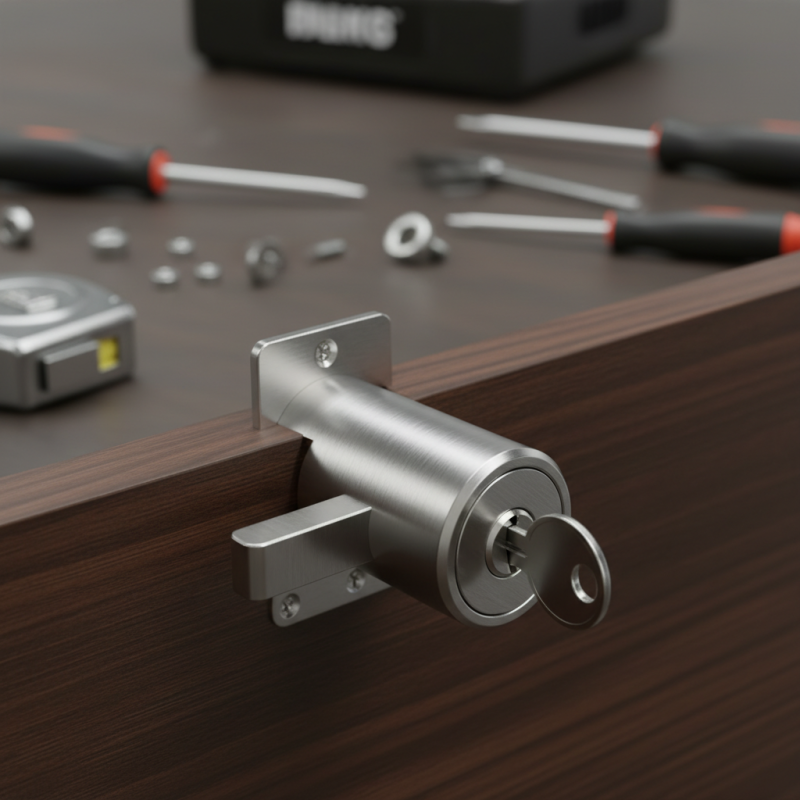
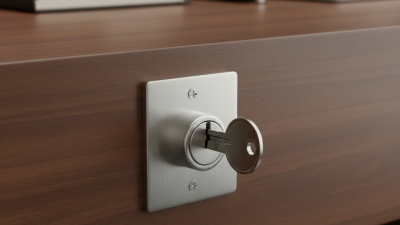
This lock typically consists of a cylinder, cam, and body. When the key turns, it moves the cam, securing the drawer. However, not all installations are straightforward. Potential users often overlook the nuances of proper fitting. The complexity of choosing and using a lock deserves careful consideration.
What is Stainless Steel and Why Is It Used for Drawer Locks?
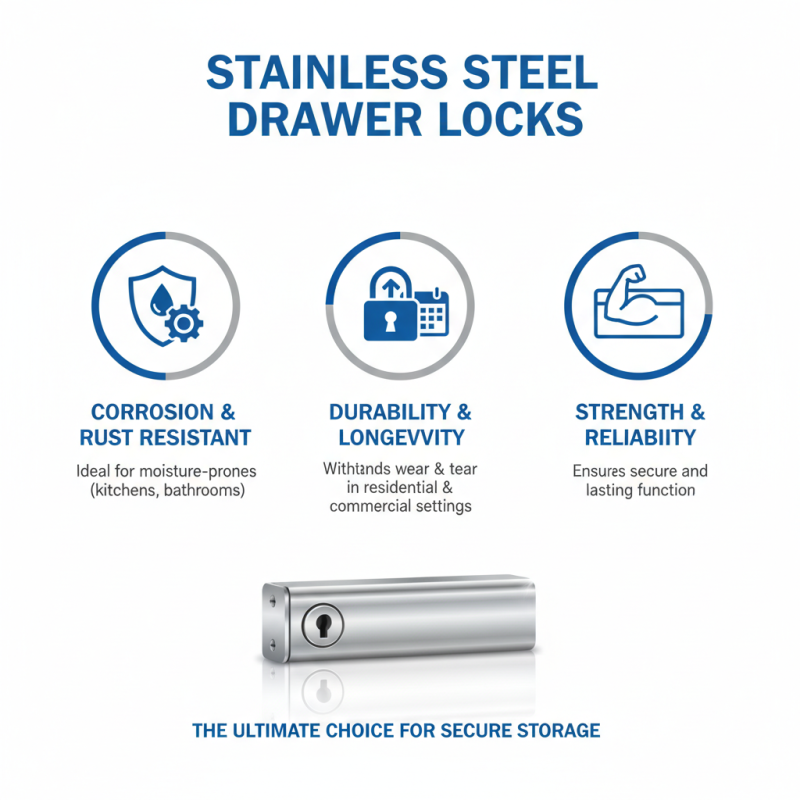
Stainless steel is an alloy known for its resistance to rust and corrosion. This property makes it ideal for drawer locks. A drawer lock must withstand wear and tear. Stainless steel ensures longevity in both residential and commercial settings. The material can resist moisture, making it perfect for kitchens and bathrooms.
Using stainless steel enhances security. The strength of the alloy helps prevent break-ins. Additionally, stainless steel has a sleek, modern appearance. This visually appealing quality fits various design aesthetics. A well-chosen lock can blend seamlessly with your furniture.
Tips: When selecting a drawer lock, consider the thickness of the stainless steel. Thicker materials often provide better security. Check for smooth operation; a sticky lock can be frustrating. Regular maintenance is essential. Clean the lock periodically to keep it functioning correctly.
The Components of a Stainless Steel Drawer Lock Explained
A stainless steel drawer lock is a robust mechanism designed for security. Understanding its components can enhance your knowledge of how it protects your belongings.
The main parts of a stainless steel drawer lock include the locking cylinder, latch, and key. The locking cylinder is where the key is inserted. It engages the locking mechanism when turned. The latch holds the drawer in place, preventing it from opening when secured. Robust screws and plates usually accompany these components, ensuring durability.
Tips: Always keep your keys in a safe place. Losing them can lead to lock replacement.
Regular maintenance is key. Dirt can accumulate in the locking cylinder. This may hinder its operation. Consider cleaning it periodically for smooth function.
Occasionally, you might notice the lock sticking. This could happen due to rust or wear. If you experience this, it's a sign to evaluate your lock's condition. Don't ignore these signs; they can lead to larger problems down the road.
Stainless Steel Drawer Lock Components and Their Popularity
This chart illustrates the popularity of different components of stainless steel drawer locks based on their usage in various applications.
How Does a Stainless Steel Drawer Lock Operate Mechanically?
A stainless steel drawer lock offers durability and security. Mechanically, it operates through a simple yet effective design. The lock typically features a cylinder that holds a spring-loaded bolt. When you insert the correct key, it aligns the pins within the cylinder. This action allows the bolt to retract.
Tips: Keep your keys organized. Losing a key can lead to a frustrating experience. Consider having a spare made for emergencies.
The locking mechanism usually connects to a handle or knob. If the handle is turned without the key, the bolt remains in place. This prevents unauthorized access.
If the lock becomes jammed, avoid forceful attempts. This could damage the mechanism. Instead, a little lubricant can help ease movement. Regular maintenance helps ensure smooth operation. Always check for signs of wear and tear.
What is a Stainless Steel Drawer Lock and How Does It Work? - How Does a Stainless Steel Drawer Lock Operate Mechanically?
| Feature |
Description |
| Material |
Stainless Steel |
| Corrosion Resistance |
Excellent; suitable for various environments |
| Security Level |
High; provides effective protection against tampering |
| Locking Mechanism |
Keyed or combination locks |
| Installation Type |
Surface mount or flush mount |
| Applications |
Commercial and residential furniture, cabinets, drawers |
| Operation |
Turning the key or dial activates the locking mechanism |
| Maintenance |
Periodic lubrication recommended for smooth operation |
Benefits of Using Stainless Steel Drawer Locks for Security
Stainless steel drawer locks are essential for enhancing security. They are designed to fit various drawer types, providing a reliable way to secure valuable items. Made from durable stainless steel, these locks resist corrosion and wear over time. This longevity ensures that they will perform well even in challenging environments.
One major benefit of stainless steel locks is their strength. They can withstand tampering and attempts at forced entry. Many people overlook the importance of drawer security. A simple lock can deter unauthorized access to personal belongings. Additionally, these locks are often easy to install, making them accessible for many users.
While stainless steel drawer locks offer significant protection, installation can sometimes be tricky. If not installed correctly, their effectiveness diminishes. It’s crucial to ensure precise alignment during installation. A poorly secured lock might not deter a determined intruder. So, double-checking your work is vital for optimal security.
Installation and Maintenance Tips for Stainless Steel Drawer Locks
Stainless steel drawer locks are essential for security in various settings. Proper installation is crucial for functionality. Ideally, these locks should be installed at least 30 inches from the floor. This height ensures ease of use. However, some users find this height inconvenient. Adjusting the position can lead to a less secure fit.
Maintenance does not require extensive effort. Regular cleaning with mild soap and water can keep the lock functioning well. However, many overlook this task. A neglected lock may rust or jam over time. According to a report by the Security Industry Association, proper maintenance can extend the lifespan of a lock by 50%. It's essential to check the lock mechanisms periodically. A broken latch could compromise security.
Users often rush through installation, leading to issues down the road. Ensuring the lock is level is key. An uneven installation can cause it to malfunction. Using the right tools can make a significant difference here. A poorly fitted lock can also be a weak point. Over time, this may lead to more considerable security risks.