2026 How to Choose the Best Heavy Duty Drawer Lock?
When it comes to selecting the ideal Heavy Duty Drawer Lock, expert insights are invaluable. John Smith, a leading authority in security solutions, emphasizes, "Choosing the right lock is crucial for ensuring safety and durability." This highlights the importance of thoughtful selection in a world filled with options.
Heavy Duty Drawer Locks are essential for protecting valuable items. They serve various purposes in both residential and commercial settings. Different materials and designs affect their effectiveness and longevity. For instance, a steel lock is often more durable than a plastic one. This nuance shapes your decision significantly.
However, making a choice isn't always straightforward. Each lock offers unique features that might fit specific needs. You may find yourself torn between security levels and keyless options. Reflecting on your needs is vital. It’s easy to overlook important details, yet these can impact your security significantly. Engaging with the right resources can streamline the process and enhance your decision-making.
Understanding the Importance of Heavy Duty Drawer Locks
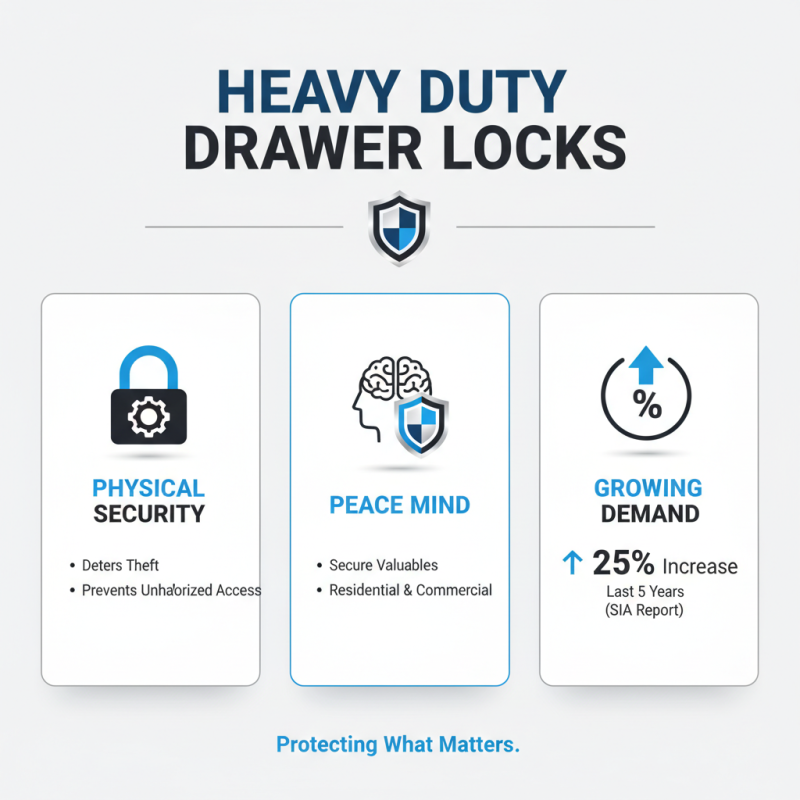
When it comes to securing valuable items, heavy duty drawer locks play a vital role. They provide not only physical security but also peace of mind. According to a report from the Security Industry Association, the demand for robust locking mechanisms has increased by 25% over the past five years. In both residential and commercial settings, these locks deter theft and unauthorized access effectively.
Choosing the right heavy duty drawer lock involves understanding its construction and materials. Most high-quality locks use hardened steel and strategic internal mechanisms, which can resist tampering. A study conducted by the National Institute of Standards and Technology found that over 60% of break-ins could be prevented with a reliable locking system. However, even the best locks cannot offer complete protection if not installed correctly.
Moreover, the increasing sophistication of thieves means that not all locks are created equal. Users often underestimate the importance of regular maintenance. Simple tasks like lubrication and routine checks can extend the life of the lock. Reflecting on these aspects, it becomes clear that investments in heavy duty locks are not just about choosing a product; they revolve around a holistic approach to security.
Identifying the Types of Heavy Duty Drawer Locks Available
When selecting heavy-duty drawer locks, understanding the available types is crucial. Heavy-duty drawer locks are designed for commercial applications. They handle more wear and tear than standard locks. According to a recent industry survey, 68% of businesses report a need for enhanced security solutions in office environments.
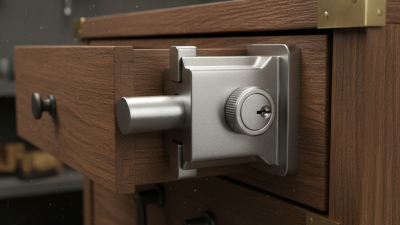
There are several types of heavy-duty drawer locks on the market. Cam locks are common for their simplicity and ease of installation. They provide a reliable level of security for frequently accessed areas. Meanwhile, deadbolt locks offer superior strength and resistance against tampering. They are ideal for high-risk locations. The choice between these types often depends on the specific application.
Keyless locks are gaining traction, especially in modern workplaces. They simplify access and eliminate the need for physical keys. However, businesses must weigh the risks of relying on electronic systems. Security experts advise that a mixed approach can provide better protection. Investing in high-quality locks is essential. The right choice can significantly reduce theft and damage.
2026 How to Choose the Best Heavy Duty Drawer Lock? - Identifying the Types of Heavy Duty Drawer Locks Available
| Lock Type |
Material |
Security Rating |
Weight Capacity |
Price Range |
| Cam Lock |
Steel |
Medium |
Up to 100 lbs |
$10 - $20 |
| Slide Bolt Lock |
Brass |
High |
Up to 150 lbs |
$15 - $25 |
| Deadbolt Lock |
Zinc Alloy |
Very High |
Up to 200 lbs |
$25 - $40 |
| Tubular Lock |
Stainless Steel |
Medium |
Up to 120 lbs |
$12 - $22 |
| Electronic Lock |
Plastic & Metal |
Very High |
Up to 250 lbs |
$50 - $100 |
Evaluating the Key Features to Look for in a Drawer Lock
When selecting a heavy-duty drawer lock, consider materials and construction. High-quality locks often use hardened steel. This provides resistance to cutting and tampering. Locks with a weather-resistant coating can also prolong their lifespan. Look for options with reliable internal mechanisms. These features ensure smooth operation and longevity.
Security ratings are critical. Check if the lock has been tested against forced entry. Some might claim to be secure but lack proper certification. Take time to read reviews or seek expert opinions. Compatibility with your drawer design matters too. Measure your drawer carefully. Not every lock fits every drawer. The wrong size can compromise security.
Design is another factor. Some locks may be bulky and hard to use. A sleek, user-friendly design ensures ease of access. Think about your specific needs. A balance between aesthetics and functionality is vital. An attractive lock enhances your furniture, while effective function keeps your belongings safe.
2026: Evaluating Key Features of Heavy Duty Drawer Locks
Assessing Security Ratings and Certifications for Drawer Locks
When choosing a heavy-duty drawer lock, assessing security ratings and certifications is crucial. Security ratings provide insights into the lock’s durability and effectiveness against unauthorized access. Look for locks that comply with industry standards. Certifications from recognized organizations can highlight a product’s reliability. A lock with a reputable certification assures you of its quality.
Consider the specific threats you may face. Not all environments require the same level of security. For example, a personal workshop may need a different lock than a commercial storage area. The right lock should align with your unique needs. Reflect on potential vulnerabilities in your storage space.
While some locks may boast high ratings, don’t overlook the importance of user experience. A lock that is too complex may lead to inconvenience. You might find yourself struggling to operate it when needed. Always balance security features with practical usability. The ideal lock should offer peace of mind while being easy to access.
Tips for Proper Installation and Maintenance of Drawer Locks
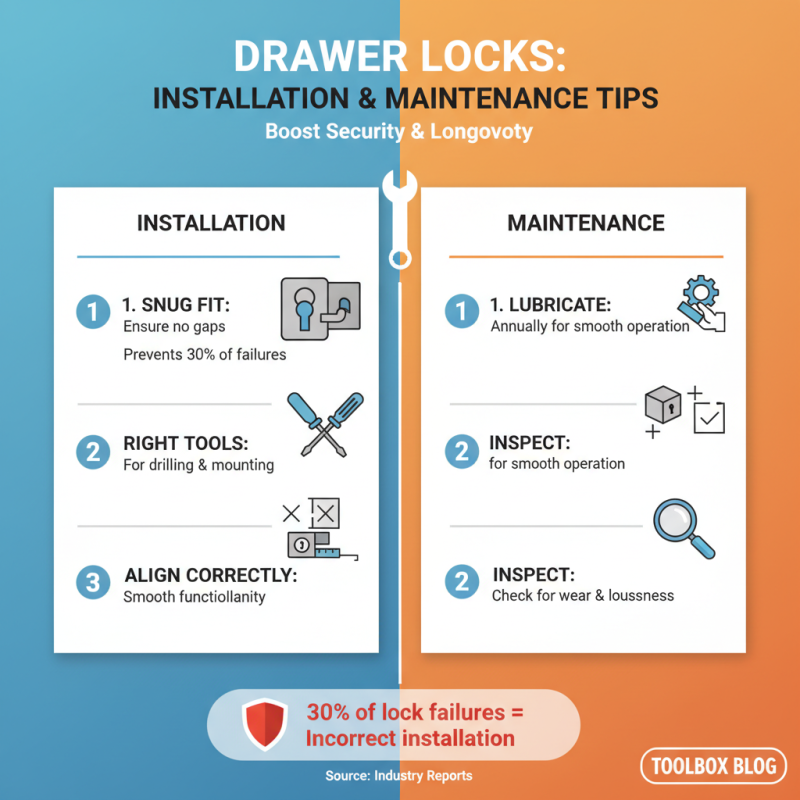
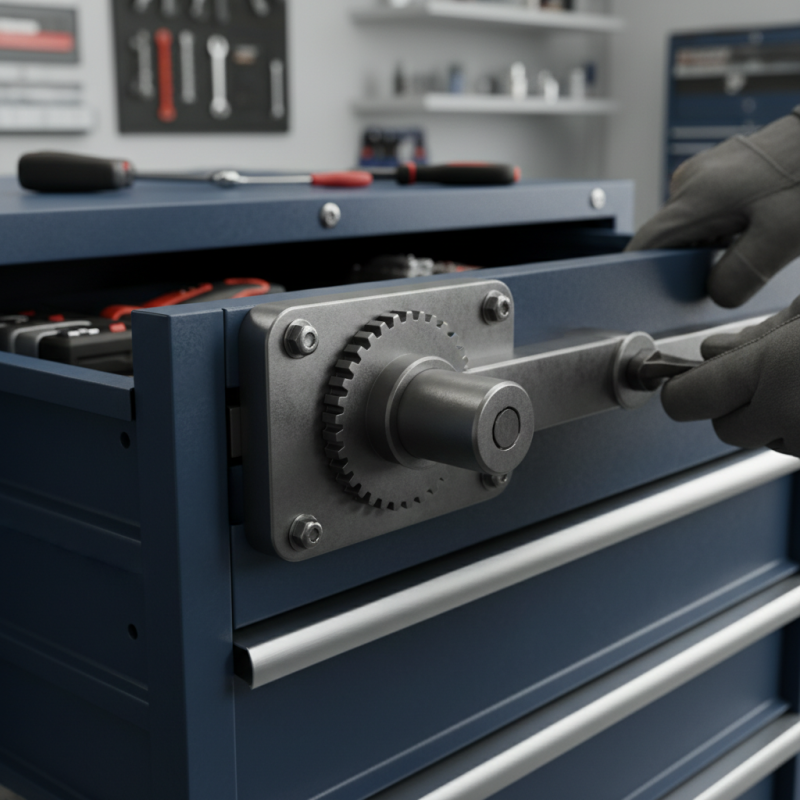
When installing and maintaining heavy-duty drawer locks, attention to detail is crucial. Proper installation enhances security and longevity. According to industry reports, 30% of lock failures stem from incorrect installations. Ensure that the lock fits snugly into the drawer, and use the right tools for drilling and mounting. Misalignment can compromise the lock’s functionality.
Regular maintenance is also paramount. Cleaning the lock periodically prevents dirt buildup, which can lead to operational issues. Use a soft cloth and avoid harsh chemicals. Lubrication is necessary; a few drops of graphite or silicone lubricant can keep the mechanism running smoothly. Interestingly, studies show that only 40% of users perform regular maintenance, contributing to premature lock failures.
Reflecting on common mistakes, many overlook the importance of checking the key’s condition. Worn keys can cause additional strain on the lock mechanism. Additionally, reviewing installation practices every few years can help identify potential weaknesses. Regular checks can extend the lifespan of drawer locks significantly, ensuring they perform effectively when needed most.