What is a Heavy Duty Drawer Lock and How Does It Work
In the realm of security solutions, the significance of a Heavy Duty Drawer Lock cannot be underestimated. As industries continue to prioritize safety and durability, experts forecast a steady growth in the demand for robust locking mechanisms. According to a recent report by the Global Security Market Analysis, the market for heavy-duty locking systems is projected to reach $2.3 billion by 2025, reflecting an increasing need for high-quality security products in various sectors, including manufacturing, retail, and residential applications.
Renowned security systems expert, Johnathan Swift, emphasizes the importance of these locks, stating, "A Heavy Duty Drawer Lock not only enhances the security of valuable items but also provides peace of mind for users." This statement highlights the dual role that these locks serve: safeguarding possessions and fostering a sense of safety. By understanding the mechanics and benefits of a Heavy Duty Drawer Lock, individuals and businesses can make informed decisions about their security needs.
In an era where theft and loss can significantly impact both personal and commercial interests, investing in a Heavy Duty Drawer Lock emerges as a prudent choice. This introduction to its workings and features underscores the urgency of addressing security challenges head-on.

Definition of Heavy Duty Drawer Lock and Its Purpose
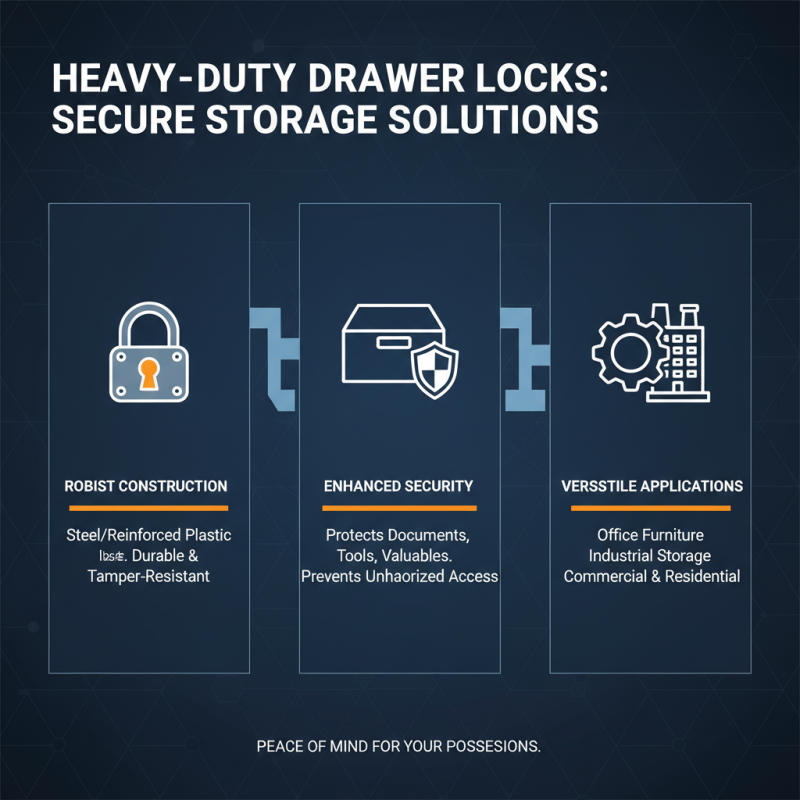
A heavy-duty drawer lock is a robust locking mechanism designed to secure drawers in various applications, from office furniture to industrial storage solutions. These locks are typically constructed from durable materials such as steel or reinforced plastic, ensuring resilience against wear and potential tampering. Their primary purpose is to provide enhanced security for items stored within the drawers, whether it be sensitive documents, tools, or personal belongings. By employing a heavy-duty lock, users can reduce the risk of unauthorized access and protect valuable possessions effectively.
The functionality of a heavy-duty drawer lock is straightforward yet effective. It usually incorporates a cylinder mechanism that requires a key or a combination to open. When the lock is engaged, it prevents the drawer from being pulled open, securing its contents. Some designs may include additional features, such as deadbolts or electronic components, which further strengthen the lock's security measures. Whether used in a commercial setting or at home, a heavy-duty drawer lock plays a crucial role in maintaining organization and safeguarding valuable items, making it an essential component in various environments.
Components of a Heavy Duty Drawer Lock Explained
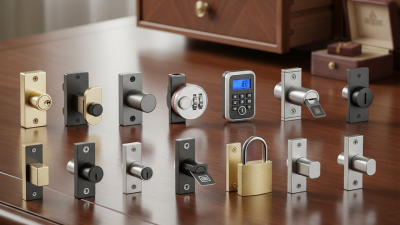
A heavy-duty drawer lock is designed for enhanced security and durability, making it an essential component for safeguarding valuable items in various applications, from industrial settings to high-security environments. These locks often consist of several key components, each serving a critical role in their functionality. The primary parts include the locking mechanism, the housing, and the key or combination system. The locking mechanism operates as the core component, using a series of pins or tumblers that engage with the key, preventing unauthorized access when locked. In the context of industry standards, heavy-duty drawer locks typically meet or exceed the durability and security ratings set forth by organizations like the American National Standards Institute (ANSI).
The housing of a heavy-duty drawer lock is typically constructed from hardened materials, such as steel, to withstand physical attacks and environmental factors. According to the National Institute of Standards and Technology (NIST), locks with a higher grade rating, such as Grade 1, provide a greater level of resistance against tampering and forced entry. Additionally, some heavy-duty drawer locks incorporate advanced technology, such as digital locking systems or biometric access, which can enhance security further by providing unique access codes or recognizing authorized users. These features not only increase the integrity of the locking mechanism but also adapt to the evolving demands of modern security needs in both commercial and residential applications.
Components of a Heavy Duty Drawer Lock
How a Heavy Duty Drawer Lock Functions Mechanically
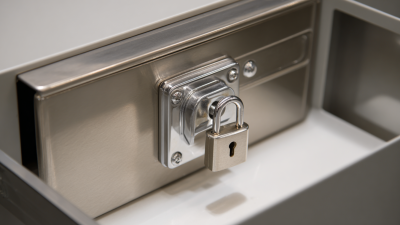
A heavy-duty drawer lock is designed to provide enhanced security and durability for heavily used drawers, such as those found in commercial settings or workshops. These locks operate through a mechanical system that typically involves a cylinder, a cam, and a locking bolt. When the correct key is inserted, the lock mechanism aligns the pins within the cylinder, allowing the user to turn the key. This action rotates the cam, which then engages or disengages the locking bolt, securing or releasing the drawer.
The mechanical function of a heavy-duty drawer lock relies heavily on precision engineering. Reports indicate that the average lifespan of a well-manufactured heavy-duty lock can exceed 100,000 uses, which is crucial for environments requiring high-frequency access. Additionally, heavy-duty locks often incorporate tamper-resistant features such as anti-drill plates and hardened steel bolts, which enhance their resilience against unauthorized access attempts. According to industry standards, these locks must withstand specified levels of force and wear, ensuring they remain functional even under heavy load conditions. This makes them an essential component for both safety and functionality in various applications across multiple sectors.
Installation Process for Heavy Duty Drawer Locks
When it comes to securing your drawers, heavy-duty drawer locks offer a robust solution. Installing these locks is a straightforward process, but it requires careful attention to detail to ensure proper functionality. Begin by gathering the necessary tools, which usually include a drill, a screwdriver, and a measuring tape. First, measure the desired height for the lock on the drawer front and mark its position clearly.
Next, drill the appropriate hole for the lock mechanism, making sure it aligns perfectly with the center of your marked area. After that, insert the lock into the hole and secure it with screws, ensuring that it’s firmly in place. It’s important to test the lock after installation, sliding the drawer in and out to confirm that it operates smoothly and latches securely.
Tips: Always double-check the measurements before drilling to avoid mistakes that can lead to needing additional repairs. Consider using a template to make the marking process easier and more accurate. If you’re unsure about the fit, trial installing a spare lock or seek advice from a hardware specialist before making the final installation.
What is a Heavy Duty Drawer Lock and How Does It Work - Installation Process for Heavy Duty Drawer Locks
| Feature |
Description |
Installation Steps |
| Material |
High-strength steel or zinc alloy |
N/A |
| Locking Mechanism |
Keyed or combination lock for security |
N/A |
| Applications |
Commercial furniture, tool boxes, cabinets |
N/A |
| Installation Time |
Approximately 30 minutes |
1. Gather tools
2. Prepare drawer
3. Mark lock position
4. Drill holes
5. Insert lock
6. Secure with screws |
| Weight Capacity |
Supports up to 200 lbs |
N/A |
Benefits of Using Heavy Duty Drawer Locks in Various Applications
Heavy duty drawer locks provide a robust security solution for various applications, making them increasingly popular in settings where safety and reliability are paramount. One of the primary benefits of these locks is their ability to withstand significant force and tampering attempts, ensuring the contents of drawers, cabinets, and other storage units are protected from unauthorized access. This feature is particularly advantageous in commercial environments, such as offices and warehouses, where valuable documents and equipment need enhanced security.
In addition to their strength, heavy duty drawer locks are versatile and can be utilized in both residential and industrial contexts. For instance, in home offices or studies, these locks not only safeguard important personal documents but also offer peace of mind when it comes to sensitive information. Similarly, in industrial settings, they ensure that tools and machinery are securely stored, reducing the risk of theft or accidental use.
Overall, the benefits of heavy duty drawer locks extend across various applications, providing safety, peace of mind, and a reliable means of protecting important items.