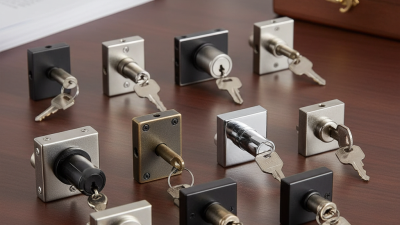
Why Do You Need Furniture Drawer Locks for Safety?
When it comes to safety in homes, Furniture Drawer Locks play a crucial role. According to industry expert, Dr. Emily Johnson, “Secure furniture can prevent potential accidents and ensure peace of mind.” Parents with young children often worry about safety hazards lurking in their homes. Locked drawers can protect small fingers from sharp objects or harmful substances.
The presence of Furniture Drawer Locks not only enhances safety but also contributes to organization. A well-secured space minimizes clutter and enforces better habits. It's easy to overlook the importance of these simple locks until an accident occurs. Many parents may find themselves reflecting on past near-misses that could have been avoided.
Implementing Furniture Drawer Locks is not just a precaution; it's a commitment to creating a safer environment. While it may seem like an added expense, the potential risks of not using them far outweigh the costs. Every household deserves the peace of mind that comes with secure furniture.
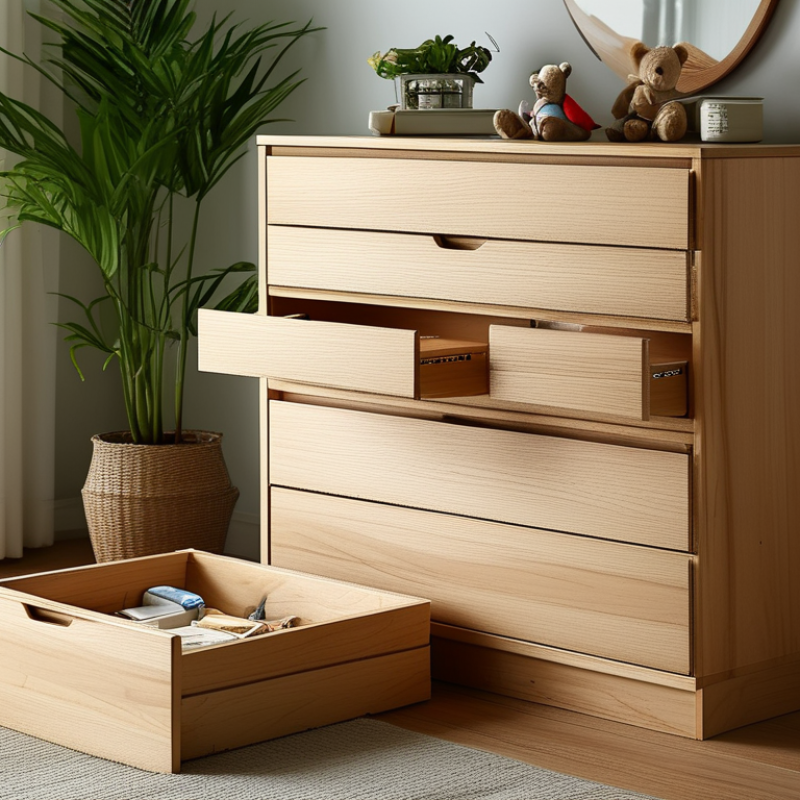
Understanding the Importance of Furniture Drawer Locks for Safety
Furniture drawer locks play a crucial role in enhancing safety, especially in homes with children or pets. According to the Consumer Product Safety Commission, over 28,000 children are injured each year due to accidents involving furniture. These incidents often result from unsecured drawers tipping over. By adding locks, you provide a vital layer of protection against such unfortunate events.
It’s essential to consider the various types of locks available. Some locks are designed to engage only when drawers are closed, while others require a key. The right choice depends on the furniture’s use and the environment. For instance, nursery furniture should have easy-to-use locks that prevent curious toddlers from accessing hazardous items.
When selecting furniture locks, look for options that are durable and easy to install. Some locking systems can be placed on existing furniture without major alterations. Ensure they meet safety standards. This approach not only secures your furniture but also promotes peace of mind. Remember, the small step of securing your drawers can significantly reduce potential risks to your loved ones.
Types of Furniture Drawer Locks Available in the Market
When it comes to securing furniture, various types of drawer locks are essential for safety, particularly in homes with young children. According to a report by the Consumer Product Safety Commission, nearly 30,000 injuries involving furniture occur annually due to unsecured drawers. With this in mind, choosing the right type of drawer locks becomes crucial.
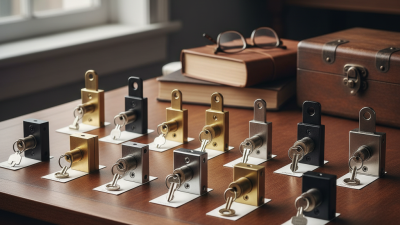
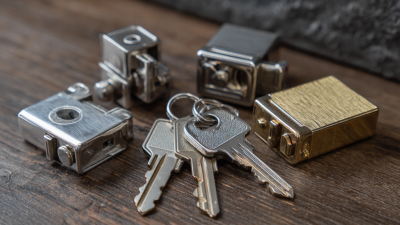
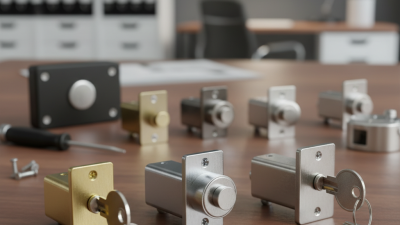
Common types of furniture drawer locks include key locks, push locks, and magnetic locks. Key locks provide robust security, making them ideal for valuable items. Push locks are easy to operate, making them popular for frequently-used drawers. Magnetic locks, while less visible, offer a discreet solution, especially in children's furniture. Each type has its strengths and weaknesses. For instance, while key locks may deter unauthorized access, families might find them cumbersome.
In terms of installation, basic locks can sometimes be unreliable if not fitted properly. Regularly checking the functionality of locks is vital. Some users have reported difficulties with specific models, leading to frustration. This shows the importance of user experience in selecting drawer locks. In a world focused on safety, understanding the available options can make a significant difference in preventing unwanted accidents.
Types of Furniture Drawer Locks Available in the Market
How Furniture Drawer Locks Enhance Child Safety in the Home
When it comes to child safety in the home, furniture drawer locks play a significant role. A study by the American Academy of Pediatrics highlights that over 20,000 children visit emergency rooms annually due to furniture-related injuries. Many accidents happen when children explore cabinets and drawers. Unsecured drawers can contain harmful items like sharp tools, cleaning supplies, or even medications. Installing furniture drawer locks can prevent access to these dangerous items, reducing the risk of accidents.
Children are naturally curious. They tend to open drawers and explore what's inside. By using locks, parents can add a layer of security. A report by Safe Kids Worldwide states that furniture anchoring and drawer locks can decrease the chance of injuries by up to 70%. This is vital for homes with toddlers who may not understand potential dangers.
While many parents may overlook the importance of these safety measures, they are essential for creating a safe environment. The cost of locks is minimal compared to the potential medical expenses from injuries. Even a simple lock can be a deterrent for young children. Reflection on home safety practices is important. Ensuring that all furniture is secure is not just a precaution but a necessary step in fostering a safer home for children.
Best Practices for Installing and Using Furniture Drawer Locks
When it comes to child safety, furniture drawer locks play a vital role. Reports indicate that about 86% of unintentional injuries in children occur at home. Installing drawer locks can prevent access to hazardous items like tools, medications, and cleaning supplies. It is essential to ensure that furniture locks are applied to all drawers within a child's reach.
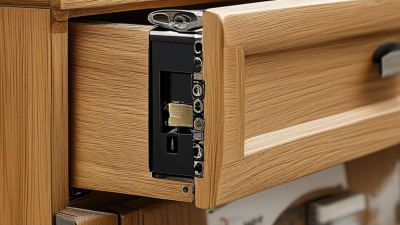
Proper installation of drawer locks is crucial. First, choose the right type of lock for your furniture. Some locks are adhesive, while others require screws for a more secure fit. Follow manufacturer instructions carefully. Ensure the locks are placed high enough that toddlers cannot reach them but low enough for adults to operate easily. Regularly check the locks for wear and tear. A compromised lock provides a false sense of security.
Using drawer locks is only part of the solution. Educating children about potential dangers is equally vital. Supervising children around furniture is essential. Even with locks, children may find clever ways to access drawers. Maintain an open dialogue with kids about safety and the reasons behind using locks. Balancing these practices can provide a safer environment for your family.
Addressing Common Concerns Regarding Furniture Drawer Locks
Installing furniture drawer locks can significantly enhance safety in your home. Many parents worry about child safety. Curious little ones might pull out drawers and access harmful items, such as sharp tools or chemicals. Having a lock prevents this. It adds a layer of security that reassures caregivers.
Another common concern is potential accidents. Unlocked drawers can tip over if too much weight is applied on them. Locks ensure that drawers stay closed, reducing the chance of injury. This proactive measure fosters a secure environment.
Some might doubt the necessity of locks. "Are they really needed?" is a frequent question. A locked drawer creates a boundary, teaching children about restrictions. While not foolproof, they serve as a deterrent. It's crucial to reflect on where safety is compromised in your living space. Regular checks on the locking mechanisms ensure they work effectively over time.
Why Do You Need Furniture Drawer Locks for Safety? - Addressing Common Concerns Regarding Furniture Drawer Locks
| Concern |
Description |
Safety Benefit |
Recommended Locks |
| Accidental Opening |
Drawers can be opened accidentally, causing potential hazards. |
Locks prevent accidental opening, enhancing safety. |
Slide locks, Magnetic locks |
| Child Safety |
Children may access harmful items within drawers. |
Locks keep dangerous items out of reach of children. |
Key locks, Combination locks |
| Organization and Privacy |
Drawers can be accessed by unauthorized users. |
Locks ensure that sensitive materials remain private. |
Electronic locks, Drawer cylinder locks |
| Theft Prevention |
Drawers containing valuables are vulnerable to theft. |
Locks deter theft by securing valuables inside. |
Deadbolt locks, Bolt locks |