How to Choose the Right Drawer Lock for Your Needs?
When selecting a drawer lock, understanding your specific needs is essential. The global drawer lock market was valued at approximately $2 billion in 2021 and is projected to grow. This growth highlights the importance of choosing the right lock for security and convenience.
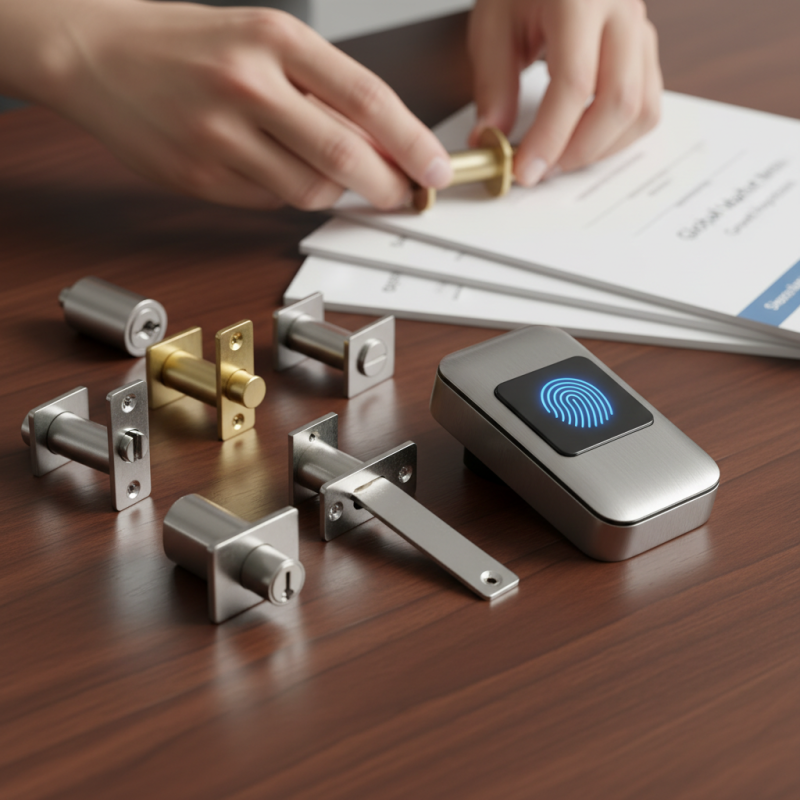
Many factors come into play. There are various types of locks available, including cam locks, sliding locks, and electronic locks. Each type serves different purposes and environments. It's crucial to assess your needs, such as the level of security required and the intended usage of the drawers.
Sometimes, consumers may overlook essential details. For instance, improper installation can lead to security vulnerabilities. Additionally, some users might prioritize cost over quality. Reflecting on these aspects can guide you toward a more informed decision. Remember, the right drawer lock enhances security and provides peace of mind.
Understanding Different Types of Drawer Locks Available
When considering drawer locks, understanding the types available is essential. There are several types: pin tumbler locks, cam locks, and combination locks. Each serves different purposes and fits various environments. According to industry data, more than 40% of thefts happen at home. Investing in the right drawer lock can significantly enhance your security.
Pin tumbler locks are one of the most common. They offer reliability and can be rekeyed easily. Cam locks, on the other hand, are perfect for securing cabinets and drawers. They can be installed without tools, making them user-friendly. Combination locks provide a higher level of security for valuable items. They do not require keys, reducing the risk of lost keys.
Tip: Always assess your security needs before choosing a lock type. Consider the value of the items you’re protecting. Additionally, be mindful of the lock's installation process. Not all locks are suitable for every drawer type.
Another point to reflect on: not all locks provide equal security. Some are more durable, while others might be easier to pick. Therefore, researching your options is crucial for making the right decision. This could prevent future complications and ensure better safety for your belongings.
How to Choose the Right Drawer Lock for Your Needs? - Understanding Different Types of Drawer Locks Available
| Lock Type |
Security Level |
Usage |
Common Materials |
Price Range |
| Cam Lock |
Medium |
Cabinets, Drawers |
Metal, Plastic |
$5 - $20 |
| Drawer Lock |
High |
Office Furniture, Home Furniture |
Steel, Brass |
$10 - $30 |
| Electronic Lock |
Very High |
Safes, High-Security Cabinets |
Plastic, Metal |
$50 - $200 |
| Deadbolt Lock |
High |
Exterior Drawers, High-Security Areas |
Metal, Steel |
$20 - $70 |
| Padlock with Key |
Medium |
Sheds, Storage Units |
Metal |
$10 - $25 |
Assessing Security Needs for Your Specific Situation
When it comes to selecting the right drawer lock, understanding your security needs is vital. Research indicates that nearly 30% of break-ins involve forced entry through unsecured drawers. This statistic highlights the importance of choosing a lock that meets your specific situation. High-security locks designed for commercial use offer better protection. However, they may not be necessary for personal spaces like home offices.
Consider your environment. Are you in a high-crime area? If so, a more durable lock could be a wise investment. A basic lock may suffice in lower-risk situations. In fact, a survey by the Security Industry Association showed that 55% of respondents felt secure with standard locks. Yet, many still reported feeling anxious about potential theft.
This gap between perception and reality can lead to over or underestimating your needs.
Evaluate the contents of your drawer. If storing sensitive information or valuable items, opt for locks with advanced features. Deadbolts and electronic locks offer greater security. However, these may increase complexity. Some users find high-tech locks confusing.
Always weigh the benefits against the potential downsides. Reflecting on these factors ensures that the lock you choose provides peace of mind tailored to your unique requirements.
Considerations for Drawer Lock Material and Durability
When selecting a drawer lock, material and durability play crucial roles. Different materials affect the lock's lifespan and security. For example, brass locks are often favored for their strength. However, they may not resist corrosion as well as stainless steel. So, think about your environment. If moisture is a concern, stainless steel or plastic may be better choices.
Durability should also take into account the frequency of use. A lock on a frequently accessed drawer needs to withstand constant wear. Consider choosing a double cylinder lock for added security. These can be more complicated to install but offer increased safety. Remember, even a durable lock may fail if not properly maintained. Regularly check the lock for rust or wear.
You might not immediately notice a weak lock. It is easy to overlook small issues. A simple problem can lead to bigger headaches later. So, observe how your locks are functioning. Ensure they operate smoothly without sticking. Addressing issues early can save time and effort in the long run.
Evaluating Key and Combination Mechanisms for Convenience
When selecting a drawer lock, it's essential to consider the mechanism type. Key locks offer simplicity and familiarity. They require a physical key, which can be a drawback if lost. In the U.S., about 30% of homeowners have reported losing keys at some point. This shows the risks associated with key-based security.
On the other hand, combination locks add convenience with their code system. Users only need to remember a sequence of numbers. A recent survey found that 45% of respondents preferred combination locks for frequently accessed areas. However, forgetting the combination could lead to frustration. Contextually, the rise of digital alternatives reflects a trend in security, with smart locks gaining popularity.
Each mechanism has its pros and cons. Key locks provide a sense of traditional security but can lead to issues when keys are misplaced. Combination locks enhance convenience but rely on memory, which can sometimes fail. Evaluating your specific needs and access frequency is crucial in choosing the right option for your situation.
Choosing the Right Drawer Lock: Key vs. Combination Mechanisms
Installation and Maintenance Tips for Drawer Locks
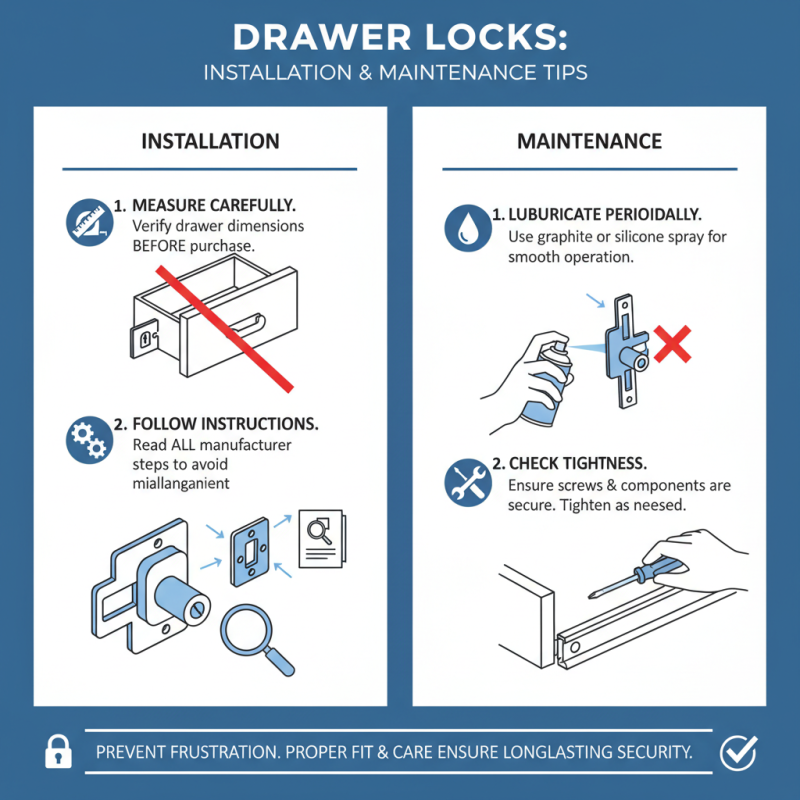
Installing drawer locks may seem straightforward, but attention to detail is crucial. Ensure you measure the drawer correctly before purchasing a lock. This step is often overlooked. A lock that doesn't fit can cause frustration. Once you select the right lock, follow the manufacturer's instructions closely. Read all steps thoroughly to avoid mistakes. Misalignments happen easily, leading to functionality issues.
Regular maintenance is essential for keeping your drawer locks effective. Dust and debris can accumulate, making locks sticky. Clean the surface and the keyhole regularly with a soft cloth. Lubricate the lock occasionally, but don’t overdo it. Too much lubricant can attract dirt. If you notice resistance or difficulty in locking or unlocking, inspect for wear. Sometimes, a small issue can escalate into a bigger problem. Address these concerns promptly to extend the lock's life.
Installing a drawer lock is not just a matter of security. It's about convenience too. A well-maintained lock ensures smooth operation, while a neglected one can create headaches. Pay attention to the small details, and don’t dismiss minor issues. Regular checks save time and increase security in the long run.