2026 How to Choose the Right Drawer Lock for Your Needs?
Choosing the right drawer lock is crucial for security and functionality. In recent surveys, over 70% of homeowners expressed concerns regarding safety. Drawer locks play a key role in safeguarding personal belongings. According to a 2022 industry report, nearly 30% of all thefts occur due to inadequate locking mechanisms.
When selecting a drawer lock, consider several factors. The material of the lock can greatly affect its durability. High-quality metals resist wear and tear better than plastic options. Additionally, ease of use is essential. Users often overlook the importance of simple installation. A complicated lock can lead to frustration and neglect.
There's always a chance of making a wrong choice. Not every drawer lock fits all needs. Some might offer high security but are inconvenient. Others might be easy to use but lack effectiveness. Reflecting on personal requirements is vital. A poor choice can lead to an unnecessary loss. Prioritize the quality and functionality of your drawer locks.

Understanding Different Types of Drawer Locks Available in the Market
When selecting a drawer lock, it’s crucial to understand the variety available in the market. There are several types, each serving different security needs. Mechanical locks are common. They use a key or combination. In contrast, electronic locks require codes or fingerprint scans. A report by the Security Industry Association noted that electronic locks have surged in popularity, comprising 30% of the market share in 2022.
Another option is cam locks, often used in cabinets and drawers. They are simple and affordable. Data indicates that these locks are favored for their ease of installation. However, their security level is moderate at best. High-security locks are another category. These locks resist picking and drilling more effectively. According to research, over 60% of thefts involve the manipulation of common locks, highlighting a need for more robust options.
Customized locks are also available. These can cater to specific needs, offering unique key designs. While versatility is appealing, inconsistency in quality can be an issue. Some locks may not fit well in various drawer designs. Users should analyze their needs thoroughly. A lock that works perfectly in one situation may falter in another. It's essential to strike a balance between security and practicality.
Comparing Security Levels: Which Drawer Lock Offers the Best Protection?
When choosing a drawer lock, security is key. Different types provide varying levels of protection. Pin tumbler locks are popular for home use. They offer decent security against basic attempts. However, they might not withstand advanced tools well.
Consider the material of the drawer itself. A sturdy drawer combined with a reliable lock is vital. Some people overlook this connection. Weak drawers can give way, regardless of the lock.
Tips: Always think about the installation. A well-installed lock can significantly increase security. Check for hidden screws or weak points. Assess the environment where the drawer will be used. If it’s in a high-traffic area, a more advanced lock might be necessary. Remember that no lock is impenetrable. The goal is to deter.
Installation Tips for Your Chosen Drawer Lock: A Step-by-Step Guide
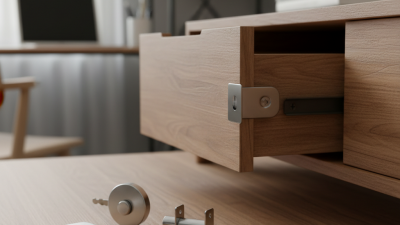
When it comes to installing a drawer lock, preparation is key. Start by gathering your tools, such as a drill, screwdriver, and measuring tape. Ensure you have the right size lock for your drawer. Measure the drawer front to determine the placement of the lock. Accuracy is crucial; a miscalculation could cause frustration later.
Next, mark where the lock will go. Drill pilot holes carefully. This step can be tricky, and it’s easy to slip or misalign. Take your time. After drilling, position the lock in place. Secure it tightly, but be cautious not to overtighten. The locking mechanism should function smoothly without resistance.
Test the lock before finishing up. Slide the drawer in and out. Adjust if necessary. Sometimes, the lock may not align perfectly, leading to a jam. If so, revisit your measurements and alignments. Being thorough here will save headaches down the line. And remember, not every installation goes perfectly on the first try. A little patience can go a long way in achieving the desired outcome.
2026 How to Choose the Right Drawer Lock for Your Needs? - Installation Tips for Your Chosen Drawer Lock: A Step-by-Step Guide
| Dimension |
Description |
Example |
| Lock Type |
Mechanism that secures the drawer |
Cam Locks, Deadbolts |
| Material |
Substance the lock is made from |
Steel, Brass, Plastic |
| Key Type |
Type of key used to open the lock |
Standard Key, Smart Key |
| Security Level |
Level of protection provided |
Low, Medium, High |
| Installation Difficulty |
Ease of installing the lock |
Easy, Moderate, Difficult |
Maintenance and Care Tips for Prolonging the Life of Your Drawer Lock
Maintaining your drawer lock is essential for longevity and functionality. Regular care ensures it operates smoothly. Start by inspecting the lock periodically. Look for any signs of wear or dirt that may affect its performance. A simple visual check can help catch problems early.
Lubrication is crucial for drawer locks. Use a graphite-based lubricant to avoid attracting dust. Apply it sparingly. Too much can create a mess rather than help. A small amount goes a long way in ensuring smooth operation. Remember to wipe off excess lubricant to keep it clean.
Keeping the drawer area clean also matters. Dust and debris can interfere with the lock mechanism. Use a soft cloth to remove buildup around the lock. This not only improves aesthetics but also maintains functionality. Don't let tiny issues become major problems over time. Small acts of care can lead to significant benefits for your drawer lock.