2026 How to Choose the Best Furniture Drawer Locks for Your Home?
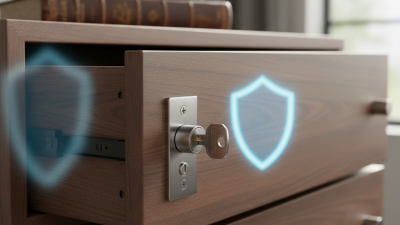
Choosing the right Furniture Drawer Locks is essential for home security. A report from the National Institute of Standards and Technology states that over 25% of unauthorized entries occur through unsecured furniture. This alarming statistic highlights the importance of strong and reliable locking systems for our belongings.
Expert Jonathan Reed, a senior consultant at SafetyFirst Innovations, emphasizes, “A quality lock not only secures but also provides peace of mind.” When selecting Furniture Drawer Locks, consider various factors, including material, design, and security features. Many homeowners overlook the need to match locks with their specific furniture styles.
Not all locks fit every need. Some may be too complex for daily use, reducing practicality. Regular maintenance is crucial, yet it's often neglected. Understanding your options is key to avoiding the pitfalls of subpar security. Keep in mind that investing in quality locks is more than just a choice; it's a commitment to safeguarding your home.

Understanding the Importance of Furniture Drawer Locks in Home Security
Furniture drawer locks may seem like a small detail, but they play a crucial role in home security. According to the American Security Institute, 30% of all burglaries involve forced entry through doors and drawers. Unsecured drawers can be easy targets for thieves. Even in households with security systems, these locks add an extra layer of protection.
Many homeowners overlook the importance of secure furniture. A recent survey showed that only 45% of people use locking mechanisms on their cabinets and drawers. This is concerning, especially when valuable items are stored within. Children's safety is another factor to consider. Locks can prevent accidental access to dangerous items or medications. Choosing the right furniture drawer lock can enhance your home's security.
Not all locks are created equal. Some may appear sturdy but can be easily compromised. A lock's material, design, and installation are important factors. Trends in modern furniture indicate a rise in built-in locks, but they are not always foolproof. Homeowners should evaluate their specific needs and assess the effectiveness of their current locks. Proper reflection on these issues can lead to improved security solutions.
Types of Furniture Drawer Locks and Their Unique Features
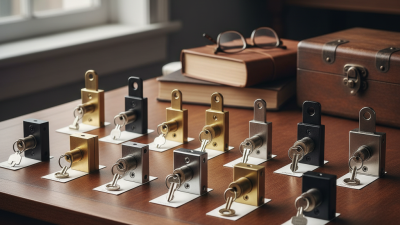
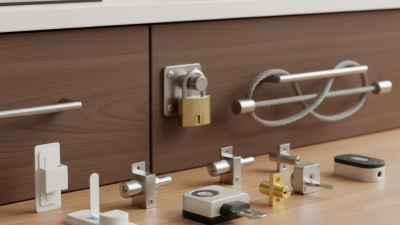
When choosing furniture drawer locks, it's essential to understand the types available. Each type offers unique features that cater to different needs. For example, traditional key locks provide reliable security for valuable items. They require a physical key, which can be a hassle if lost.
Another option is the combination lock. These locks offer convenience and eliminate the need for a key. However, if you forget the combination, you may face a challenge. Consider also push locks, which are easy to use but may not provide the highest level of security.
Tips: Always assess what you are securing. If it’s important, go for high-security locks.
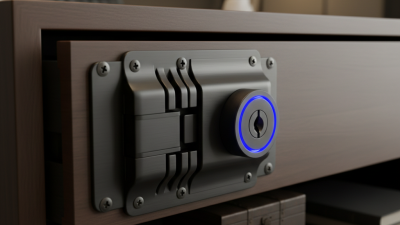
Magnetic locks are another choice. They are often used in modern furniture for a clean look. However, they might not stand up against determined tampering.
Tips: Test different types. See which one feels most secure to you.
Consider the aesthetics of your furniture, too. Some locks may not blend well with your style. Finding the right balance between security and design is crucial.
2026 How to Choose the Best Furniture Drawer Locks for Your Home?
This chart depicts the different types of furniture drawer locks and their unique features, providing insights to help you choose the best locks for your home.
Key Considerations When Selecting Drawer Locks for Your Home
When choosing drawer locks for your home, several key considerations come into play. Security is paramount. A report by the International Association of Certified Home Inspectors states that nearly 25% of all burglary entries occur through unlocked doors and windows. Drawer locks enhance the safety of valuable items, especially in homes with children. Selecting a sturdy lock can deter unauthorized access.
Material quality is another vital aspect. According to the Consumer Product Safety Commission, low-quality locks often fail under stress. Opt for locks made of solid metal or tough composite materials. This decision impacts durability, especially in high-use areas. Soft metals can bend or break with ease. It’s also essential to assess the locking mechanism. Some mechanisms require minimal force to open, which can be a significant flaw.
Lastly, consider the aesthetic appeal. Drawer locks should blend into your furniture. Locks should not draw attention but still provide functionality. It’s a delicate balance. Many ignore this factor. A lock that clashes with the furniture can lead to an uninviting look. In choosing the perfect lock, practicality and style must coexist.
2026 How to Choose the Best Furniture Drawer Locks for Your Home? - Key Considerations When Selecting Drawer Locks for Your Home
| Feature |
Description |
Pros |
Cons |
| Material |
Common materials include metal, plastic, and wood. |
Durability, resistance to wear and tear. |
Cost varies with materials; heavy materials can add weight. |
| Locking Mechanism |
Options include keyed locks, combination locks, and electronic locks. |
Variety of security levels, user-friendly options available. |
More complex mechanisms can be harder to install. |
| Size |
Available in various sizes to fit different drawer types. |
Allows for customization based on furniture dimensions. |
Limited options for very large or unusual drawers. |
| Installation |
Some locks can be easily installed while others require tools. |
Simple installations save time and effort. |
Complex installations may require professional help. |
| Cost |
Price ranges widely based on materials and mechanism types. |
Wide range allows for budget flexibility. |
Higher quality locks can be a significant investment. |
Installation and Maintenance Tips for Furniture Drawer Locks
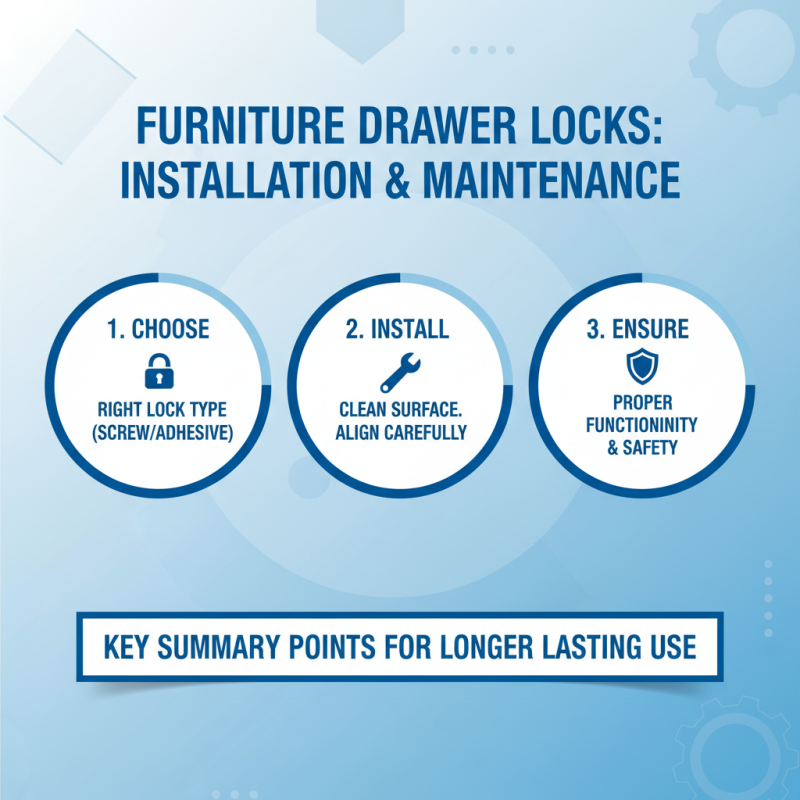
When selecting furniture drawer locks, installation and maintenance are crucial. Proper installation ensures safety and functionality. Start by choosing the right type of lock for your furniture. Some require screws, while others may rely on adhesive. Make sure the surface is clean before applying any locks. This helps the adhesive bond properly. Check the alignment carefully. Misalignment can lead to functionality issues later.
Once installed, maintenance becomes key to longevity. Regularly check each lock for wear and tear. Dust and grime can build up inside, making them sticky. Clean them gently with a soft cloth. If a lock becomes loose, tighten the screws. It might seem small, but loose locks can be vulnerable. Remember to test the locking mechanism frequently. A seamless experience keeps your drawer contents secure.
It’s worth noting that not all locks are infallible. They may sometimes jam or malfunction. Understanding how to troubleshoot these issues is part of responsible ownership. Reflect on your experience with installation. Did you rush it? Consider how this affects the lock’s effectiveness. Each step matters in ensuring your furniture remains safe and functional.
Common Issues with Drawer Locks and How to Troubleshoot Them
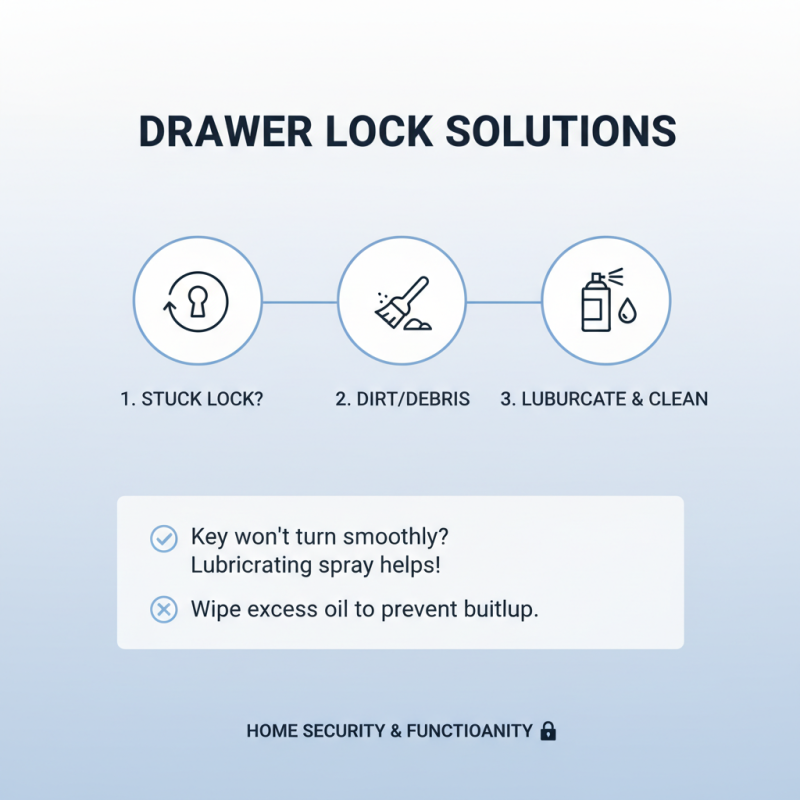
Drawer locks are essential for security and functionality in our homes. However, they can sometimes malfunction or cause frustration. One common issue is a stuck lock. This often happens due to dirt or debris getting trapped inside. You might notice that the key won’t turn smoothly. A gentle cleaning with lubricating spray can help. Remember to wipe off excess oil to prevent buildup.
Another frequent problem is a misaligned lock. This can occur if the drawer has swollen from moisture or if it has been improperly installed. If you find the lock not engaging, check the alignment. Adjust the screws slightly to remedy this. Sometimes, a simple shift can make all the difference.
In some cases, locks can wear out over time. This might lead to keys breaking or locks not responding. If you experience this, consider replacing the lock entirely. An upgrade can provide better security and functionality. Taking these steps can help maintain your furniture's security and ease of use.