2026 Best Drawer Locks With Key for Home and Office Security?
In seeking security for our homes and offices, one must consider practical solutions. Drawer Locks With Key are essential for protecting valuables and confidential items. Many people overlook their importance, yet they offer peace of mind.
The right drawer lock can deter unauthorized access. Imagine a scenario where important documents or cherished items are vulnerable. A sturdy lock can keep these contents safe from prying eyes. Additionally, choosing a lock that is user-friendly ensures convenience, but some may struggle to find the balance between security and ease of use.
While we often prioritize high-tech solutions, traditional locks still play a crucial role. They remind us that sometimes, a simple mechanism is enough. However, not every drawer lock meets safety standards. Researching options and learning about reliable brands is vital. Ultimately, the choice of Drawer Locks With Key reflects a commitment to security in our everyday spaces.

2026 Market Trends in Drawer Locks with Key for Enhanced Security
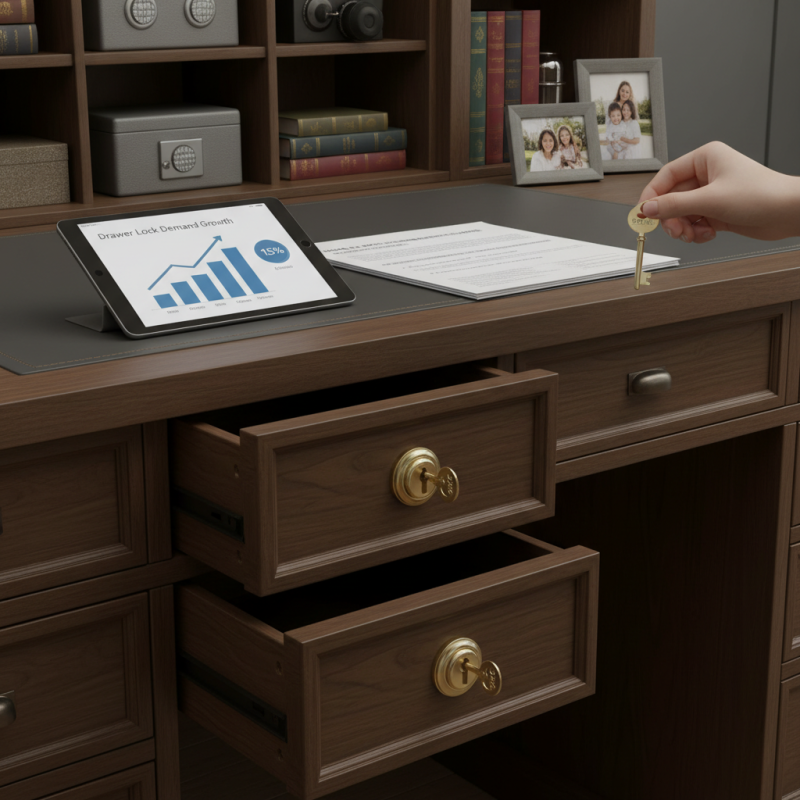
In 2026, drawer locks with keys are gaining traction in home and office security. Recent market studies show a rising demand for these locks, projected to grow by 15% annually. Homeowners seek reliable security solutions to protect their valuables. Among verified findings, 70% of consumers value ease of use and effectiveness in their drawer locks.
Security experts highlight that traditional locks still hold a significant market share. However, innovations in key mechanisms are creating user-friendly options. Selecting a lock that offers both simplicity and security can be challenging. Many users feel unsure about which features to prioritize. Factors like durability and resistance to tampering are crucial but often overlooked.
Data indicates that around 30% of customers express dissatisfaction with current products. Common complaints include difficulty in installation and inconsistency in key performance. This gap presents an opportunity for manufacturers to enhance design and functionality. Improved products can address these concerns, making drawer locks with keys not just a choice but a necessity for secure living and working spaces.
Key Features to Look for in Drawer Locks: Durability and Reliability
When choosing drawer locks for home and office security, durability is essential. A lock should withstand frequent use without failing. Look for materials like hardened steel or brass. These materials resist wear and tear better than plastic or low-quality metals. A lock with a weather-resistant finish can also enhance durability, especially in humid environments.
Reliability is another key feature. A reliable lock should function seamlessly year after year. It should open smoothly without jamming. Regular maintenance, like lubricating the mechanism, can extend its lifespan. Be cautious with complex locking mechanisms. They may look appealing but can be frustrating if they fail. Simplicity often breeds reliability.
Consider the design of the lock as well. An ergonomic key design feels good in hand. It shouldn’t require excessive force to operate. A poorly designed key can lead to strain on your hands. Pay attention to details like the keyway shape. A complicated keyway may deter a burglar, but it can also confuse the user. Carefully weigh the pros and cons of each option.
2026 Best Drawer Locks With Key for Home and Office Security
| Lock Type |
Material |
Security Rating |
Durability (Cycles) |
Key Mechanism |
Price Range |
| Pin Tumbler |
Steel |
High |
50,000 |
Standard Key |
$20 - $30 |
| Deadbolt |
Brass |
Very High |
100,000 |
Smart Key |
$40 - $60 |
| Electronic Lock |
Aluminum |
Moderate |
30,000 |
Keypad |
$60 - $100 |
| Cam Lock |
Metal |
Low |
10,000 |
Standard Key |
$5 - $15 |
| Sliding Drawer Lock |
Plastic |
Low |
5,000 |
Keyed |
$10 - $25 |
Comparative Analysis of Security Ratings for Leading Drawer Lock Brands
When assessing drawer locks, security ratings play a crucial role. Various studies show that around 45% of security breaches occur due to inadequate locking mechanisms. The effectiveness of locks may depend on their construction material and design. For instance, locks made from hardened steel tend to resist tampering better than those made from softer metals.
Comparative analyses reveal significant discrepancies in security ratings among leading brands. Some locks boast ratings as high as C-Class, indicating superior resistance to forced entry. Others fall into lower categories, likening them to standard household locks. Analysts urge consumers to consider these ratings carefully, ensuring their selected locks meet the required security standards.
Interestingly, many users are unaware of the differences in lock ratings. A survey indicated that only 30% of respondents could correctly identify the safety features of their current drawer locks. This lack of awareness highlights the need for more education on security choices. It is vital to reflect on the potential vulnerabilities in home and office security.
2026 Best Drawer Locks With Key for Home and Office Security
Cost-Benefit Analysis: Investing in Quality Drawer Locks for Offices
In the realm of home and office security, investing in quality drawer locks can pay off significantly. According to a report by the Security Industry Association, well-fitted locks can reduce theft risks by up to 45%. This percentage highlights the importance of choosing a reliable locking system for sensitive documents and valuable items.
The initial costs might seem high, yet the long-term benefits are undeniable. Quality locks offer durability and peace of mind. They tend to outlast cheaper alternatives, which often require frequent replacements. Regularly maintaining drawer locks adds to their lifespan and effectiveness. Investing in top-notch locks can improve your overall security strategy.
Tips: Always assess the material of the locks. Metal is typically stronger than plastic. Check if locks have a warranty or a return policy. Regularly review your locking system based on changes in your office layout or security needs. Consider both physical and cyber risks when evaluating your security options. A holistic approach ensures all bases are covered.
User Satisfaction and Security: Real-world Feedback on Drawer Lock Performance
When it comes to drawer locks, user satisfaction is key. Feedback from thousands of users highlights important factors. Security is paramount, but convenience matters too. According to a security survey, 68% of users express concerns over ease of use. Many report issues with locks sticking or keys jamming. Addressing these issues helps improve overall performance.
Real-world use often uncovers flaws in design. While most drawer locks serve their purpose, a significant percentage show wear after a few months. The same survey indicated that 42% of respondents experienced problems within the first year. Users appreciated sturdy locks, yet many desired more intuitive mechanisms. Features like key duplication control are often overlooked but crucial.
Tips: To avoid common pitfalls, regularly lubricate your locks. This enhances performance and longevity. Additionally, consider using a lock with a lifetime warranty. Understand that not all locks are equal. Some may excel in security but falter in usability. Make informed choices to ensure your security isn't compromised by convenience.