Top Benefits of Zinc Alloy Drawer Locks: Why They Are the Best Choice?
In the realm of security solutions, the choice of materials is crucial, especially when it comes to drawer locks. Among the myriad options available, Zinc Alloy Drawer Locks stand out as a top choice for both residential and commercial applications. According to a report by Freedonia Group, the demand for advanced locking mechanisms, particularly those made from durable materials like zinc alloy, is projected to grow significantly over the next five years, driven by a heightened focus on security and durability.
Zinc alloy, known for its superior resistance to corrosion and wear, ensures that drawer locks maintain their functionality and aesthetic appeal over time. The resilience of zinc alloy contributes to an extended lifespan, requiring less frequent replacements and reducing overall maintenance costs for users. Furthermore, industry studies show that the integration of zinc alloy locks in furniture and cabinetry can enhance the perceived value of the product, a critical factor in competitive markets.
In summary, opting for Zinc Alloy Drawer Locks not only provides robust security features but also aligns with the increasing consumer demand for longevity and quality in locking systems. As safety concerns escalate and aesthetic considerations gain importance, these locks emerge as a reliable solution for safeguarding valuable possessions.
The Durability of Zinc Alloy in Drawer Locks
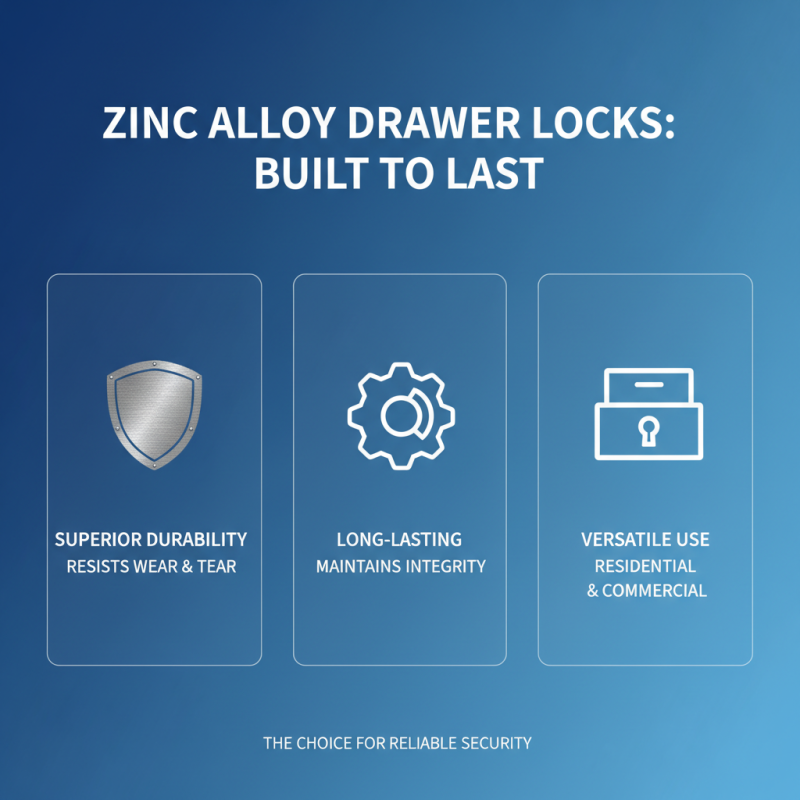
Zinc alloy drawer locks are increasingly favored in both residential and commercial applications, primarily due to their impressive durability. The intrinsic properties of zinc alloy, which combines zinc with other metals, provide a strong resistance to wear and tear. This means that drawer locks crafted from this material can withstand daily use without significant degradation. Unlike traditional materials that can corrode or break down over time, zinc alloy maintains its structural integrity, making it an ideal choice for locking mechanisms that are regularly accessed.
Moreover, the durability of zinc alloy extends beyond mere resistance to physical wear. It also possesses excellent corrosion resistance, which is essential for locks exposed to varying environmental conditions. Whether in humid kitchens, arid offices, or even outdoor environments, zinc alloy locks maintain their functionality without succumbing to rust or brittleness. This longevity not only makes zinc alloy drawer locks a practical investment but also enhances the overall security of the drawers they protect, as reliable locks are crucial for safeguarding valuables.
Corrosion Resistance: A Key Advantage of Zinc Alloy
Zinc alloy drawer locks are becoming increasingly popular due to their exceptional corrosion resistance, which is one of the most prominent advantages of this material. Unlike traditional locks made from steel or other metals that can rust and deteriorate over time, zinc alloy possesses natural properties that protect against environmental factors such as moisture and humidity. This durability is particularly beneficial in locations prone to high humidity levels or varying temperatures, ensuring that the lock remains functional and visually appealing over its lifespan.
In addition to its resistance to corrosion, zinc alloy is also known for its strength and versatility. This combination allows for the creation of locks that not only withstand the test of time but also offer enhanced security features. The ability to perform well in adverse conditions makes zinc alloy drawer locks an ideal choice for a variety of applications, from furniture to cabinets. By selecting a zinc alloy lock, users can rest assured that they are investing in a product that will provide long-lasting performance without the frequent need for replacement or maintenance.
Top Benefits of Zinc Alloy Drawer Locks: Why They Are the Best Choice?
The bar chart above illustrates the key benefits of zinc alloy drawer locks, highlighting their corrosion resistance as the main advantage, scoring 9 out of 10. Other benefits such as durability, security, cost-effectiveness, and ease of installation are also represented, showcasing why zinc alloy is the preferred choice for locking mechanisms.
Enhanced Security Features of Zinc Alloy Drawer Locks
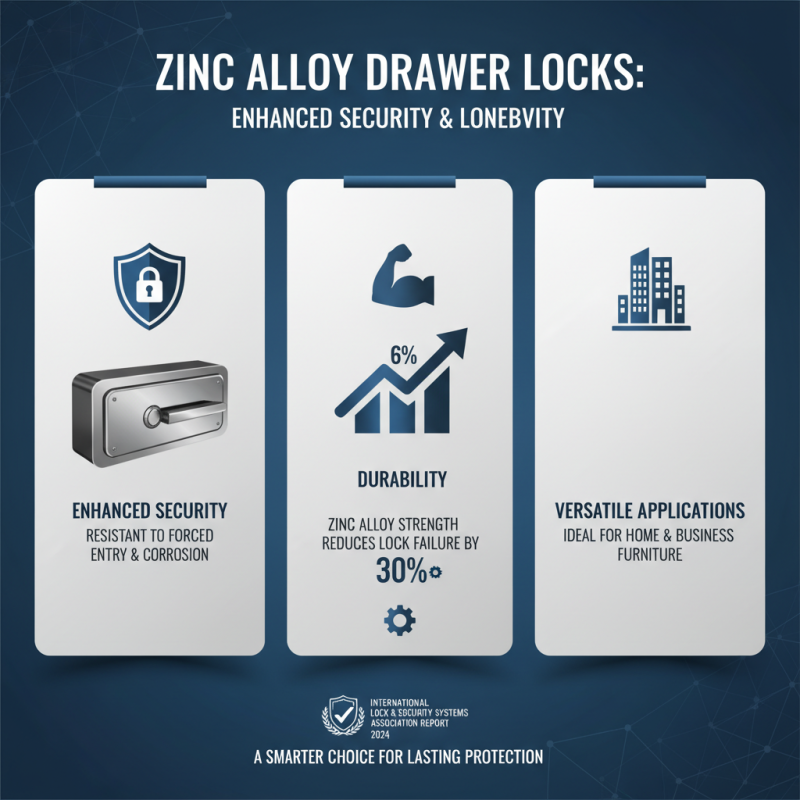
Zinc alloy drawer locks have gained significant recognition for their enhanced security features, making them a superior choice for both residential and commercial applications. The inherent strength of zinc alloy provides resistance to corrosion and physical wear, which is critical for maintaining security over time. According to a report by the International Lock and Security System Association, using durable materials like zinc alloy can reduce lock failure rates by up to 30%, thereby increasing the longevity and reliability of lock mechanisms.
Moreover, the design of zinc alloy drawer locks often incorporates advanced locking mechanisms that are difficult to tamper with. Features such as anti-pick pins and reinforced keyways enhance their resistance to unauthorized access. A study by the Security Industry Association highlighted that locks equipped with such features deter theft attempts, resulting in a significant decrease in burglary incidents. This robust design not only safeguards your belongings but also provides peace of mind, knowing that the lock is built to withstand various attack methods.
The adaptability of zinc alloy locks also allows for greater customization in security solutions. Manufacturers can integrate specific features like electronic locking systems or biometric access points within zinc alloy frameworks. These innovations reflect current trends in the security sector, where demand for smart and secure locking mechanisms continues to grow. Therefore, opting for zinc alloy drawer locks is not merely a choice of material; it represents a commitment to enhanced security in an ever-evolving landscape of threats.
Cost-effectiveness of Zinc Alloy Compared to Other Materials
Zinc alloy drawer locks offer a compelling mix of
durability and cost-effectiveness, making them an attractive option compared to locks made from other materials.
One of the significant advantages of zinc alloy is its remarkable
resistance to corrosion and wear, which enhances the longevity of the product.
When assessed against more expensive metals, zinc alloys provide similar or even superior performance without the
hefty price tag. This makes them ideal for both residential and commercial applications, where budget constraints
are often a consideration.
Moreover, the manufacturing process of zinc alloy typically results in lower production costs than that associated
with other materials such as steel or brass. This cost efficiency
does not compromise quality; instead, it allows manufacturers to offer competitive pricing for high-performance locks.
As a result, consumers can benefit from a reliable locking mechanism that meets their security needs without straining
their wallets. Additionally, the lightweight nature of zinc alloy makes it easier
to install, further reducing labor costs associated with installation.
Overall, zinc alloy drawer locks represent a smart investment in security solutions,
combining affordability with solid performance.
Versatile Applications of Zinc Alloy Drawer Locks in Furniture
Zinc alloy drawer locks are increasingly recognized for their versatility and reliability in various furniture applications. From office cabinets to home furnishings, these locks provide enhanced security and durability, making them an ideal choice for a broad range of environments. According to industry reports, the global market for furniture hardware, which includes drawer locks, is projected to reach $21.84 billion by 2026, reflecting a growing demand for high-quality locking mechanisms. This trend highlights the importance of materials like zinc alloy, which offer superior resistance to corrosion and wear, ensuring that furniture remains secure over time.
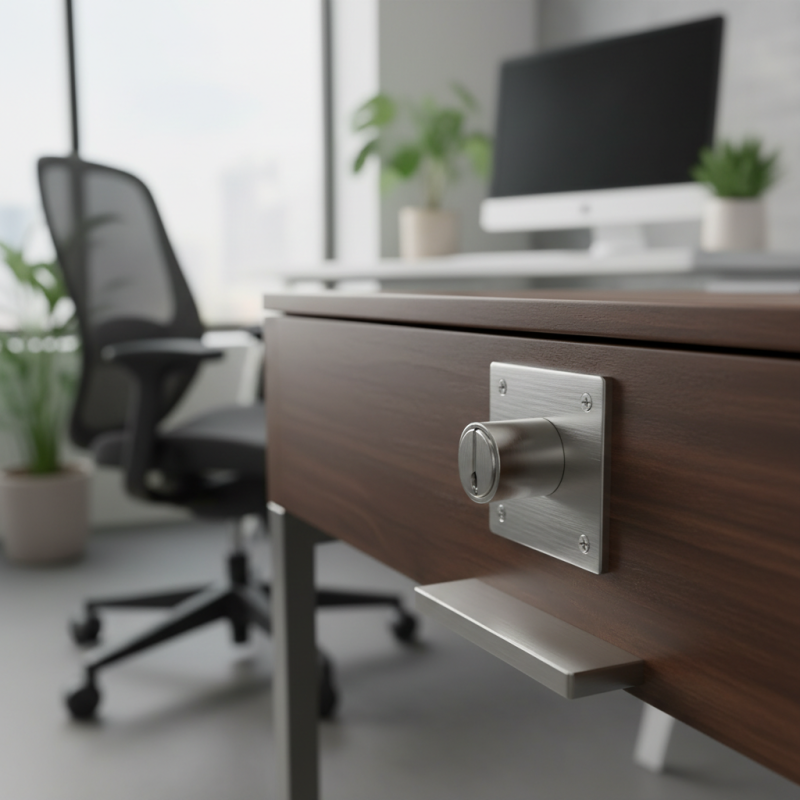
In residential settings, zinc alloy drawer locks are particularly favored for their aesthetic appeal and functionality. They blend seamlessly with modern design trends while providing robust security features. These locks are commonly used in bedroom furniture, cabinets, and desks, where both privacy and protection are paramount. The versatility of zinc alloy also extends to commercial applications, such as in retail display cases and office storage systems, where frequent access and security are crucial. As a result, the adoption of zinc alloy drawer locks is seeing significant growth, supported by their ability to meet varying requirements across different sectors.