2026 Top Drawer Lock Innovations for Home and Office Security?
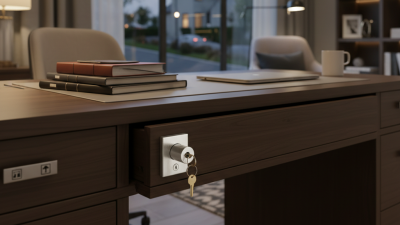
In 2026, innovations in the drawer lock industry are set to redefine home and office security. John Smith, a leading expert in security technologies, remarks, "Drawer locks are not just about protection; they're about peace of mind." This highlights the crucial role of modern drawer locks in safeguarding valuable items.
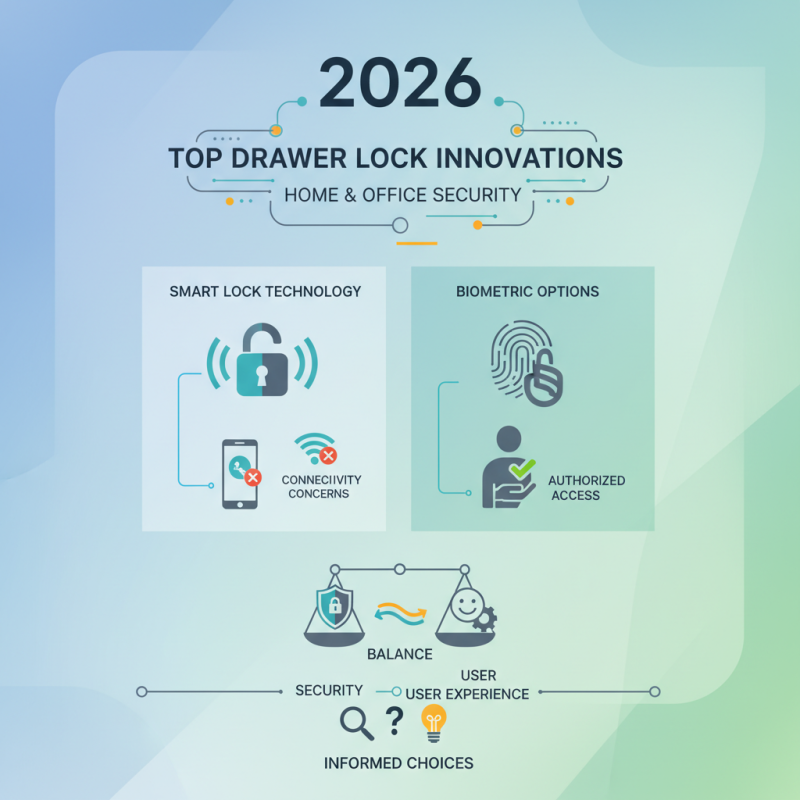
With enhanced features, today's drawer locks offer sophisticated solutions. Smart lock technology enables users to lock and unlock with a smartphone. Biometric options add another layer of security, recognizing only authorized users. However, not all innovations have been flawless. Some users report difficulties with connectivity in smart locks, raising concerns about reliability.
As we explore these advancements, it's vital to consider the balance between security and user experience. The convenience of technology should not compromise safety. Evaluating these innovations critically can help consumers make informed choices for their homes and offices.
Emerging Trends in Drawer Lock Technologies for 2026
As we move into 2026, drawer lock technology is evolving in exciting ways. Smart locks are becoming more common. These locks can connect to mobile apps, allowing users to control access remotely. Imagine receiving an alert when someone opens your drawer. This gives peace of mind.
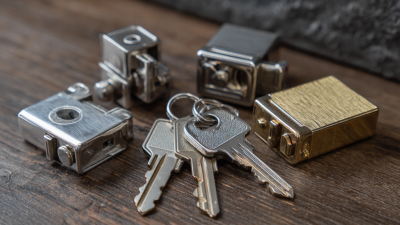
Alongside smart technology, traditional mechanical locks are also seeing improvements. New materials enhance durability. Enhanced designs discourage picking and tampering. Although these locks still demand keys, they offer a reliable alternative to smart options. Users can choose based on their needs.
**Tip:** Consider your security level when choosing locks. Smart options are convenient, but they rely on power.
Another trend is customization. Locks can now be personalized to suit individual preferences. Users can select colors or finishes that match their decor. This adds style to security. However, some might find it overwhelming to choose the right lock.
**Tip:** Research your options. Weigh the pros and cons of smart versus traditional locks. Each has its own advantages.
Smart Lock Integration: Enhancing Security and Convenience
Smart locks are reshaping security at home and in offices. Integrating smart technology provides convenience and peace of mind. Imagine unlocking your door with just a smartphone app. No more fumbling for keys in your bag. This simple change can make life easier.
However, these innovations come with challenges. What happens when the Wi-Fi goes down? Access could be hindered. Some users may feel uneasy about the safety of their data. Hackers are always looking for vulnerabilities. Trust is crucial when integrating technology into our security systems.
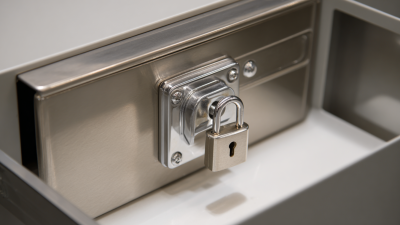
While smart locks offer advanced features, they should not replace traditional measures entirely. Understanding how to balance both is key. Regular maintenance and software updates are essential. Users must stay informed about potential risks. A mixed approach could provide the best security.
Comparative Analysis of Mechanical and Electronic Drawer Locks
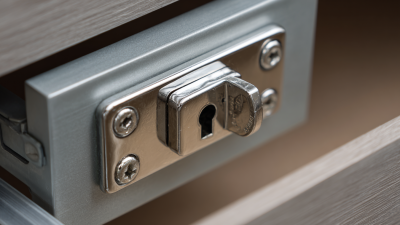
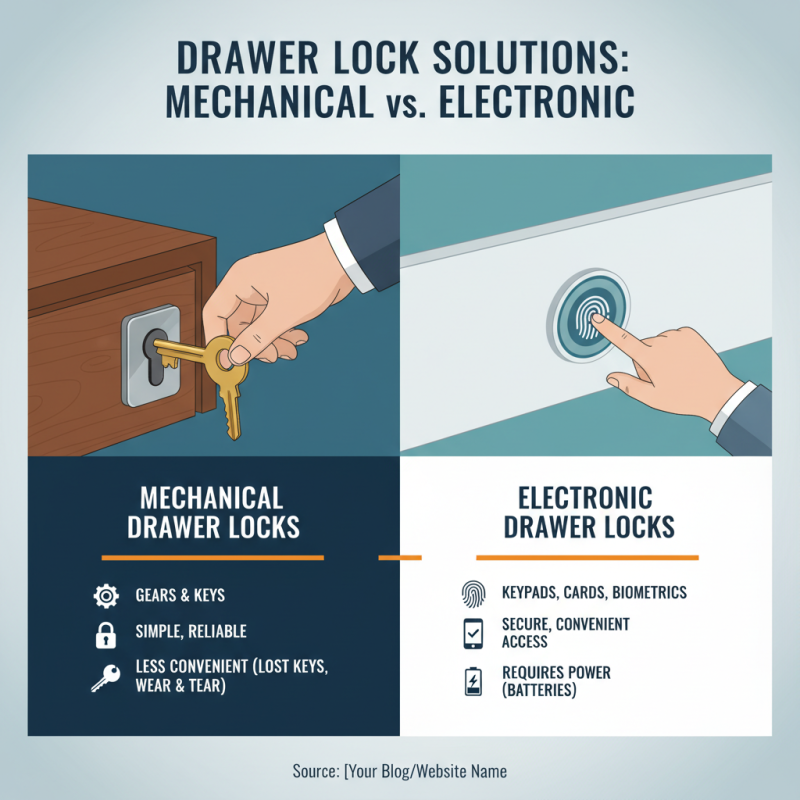
When considering security solutions for drawers, there are two primary options: mechanical and electronic locks. Mechanical drawer locks use gears and keys to secure contents. They have a reliable simplicity that often appeals to many users. However, they can be less convenient. Misplacing a key can lead to locked-out situations. Additionally, constant use may wear down the locking mechanism over time.
On the other hand, electronic drawer locks offer advanced technology. They can be keyless, using codes or biometric features for access. This enhances convenience significantly. Yet, they come with their own challenges. Power outages can disable electronic locks, leaving users vulnerable. Furthermore, digital systems may be susceptible to hacking or technical failures.
Both types of locks present unique factors to consider. Mechanical locks depend on physical strength and durability, while electronic locks rely on technology. Users must weigh the pros and cons based on their specific needs. A balance between security and accessibility is crucial. Choosing the right drawer lock involves careful consideration and reflection on personal security priorities.
Innovative Materials in Drawer Locks for Increased Durability
In recent years, drawer locks have seen a surge in innovative materials aimed at enhancing security and durability. Traditional metal designs often corrode or wear down over time. Today, manufacturers are exploring advanced composites and polymers. These materials are not just lightweight; they also resist rust and wear better than metals.
One notable innovation is the use of engineered thermoplastics. These materials can absorb impact better than steel, reducing the risk of breaking during forced entry attempts. Yet, there are concerns about the long-term performance of these new materials. It’s important to test how they hold up over several years.
Another interesting material is the use of ceramic composites. These are incredibly hard but may be brittle. While they offer a solid defense, could they shatter under too much pressure? This uncertainty raises questions for consumers. With all these advancements, it’s crucial to keep an eye on how these materials perform in real-world scenarios. The promise of innovation is exciting, but practical testing is key to ensuring reliability.
User-Centric Features: Customization and Access Control Options
As security technology evolves, customization becomes key in both home and office environments. Many modern locks now feature user-centric design elements. These locks offer options that allow users to set unique access permissions. This approach enhances security while catering to individual needs.
Access control can be as simple or complex as desired. Some locks provide remote access functions. Others include biometric capabilities, like fingerprint scanning. Users might appreciate the convenience, yet it raises questions. What happens if someone loses their access method? It’s a scenario worth pondering.
Customization can sometimes lead to confusion. Too many options may overwhelm users. It might take time to find the right balance. Each feature should truly add value, not just complexity. This is a crucial aspect when considering innovations in lock design. User feedback will be essential to guide these developments forward.